.avif)
Find & Read
No items found.



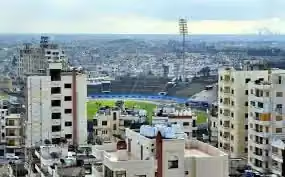
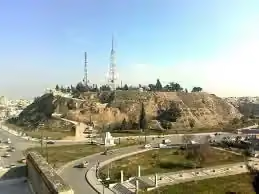

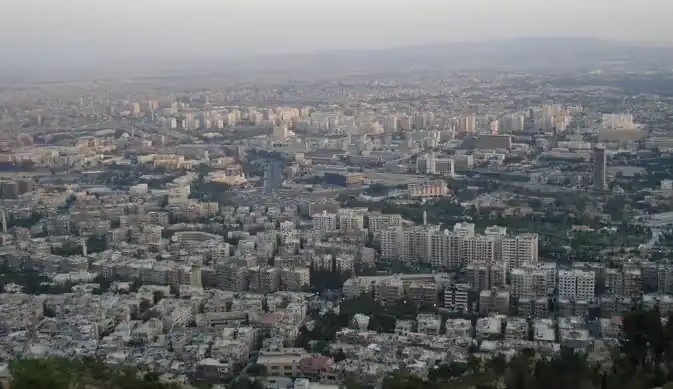
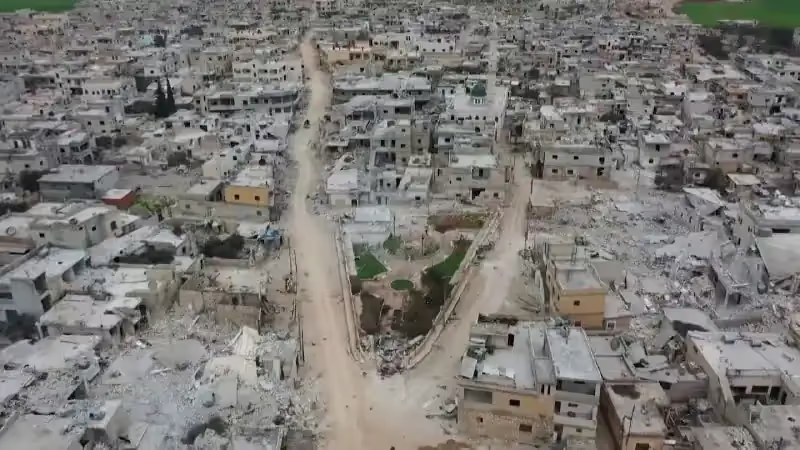
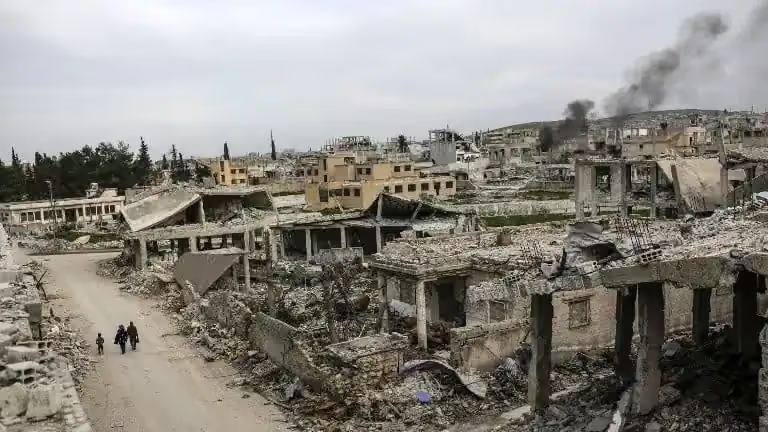
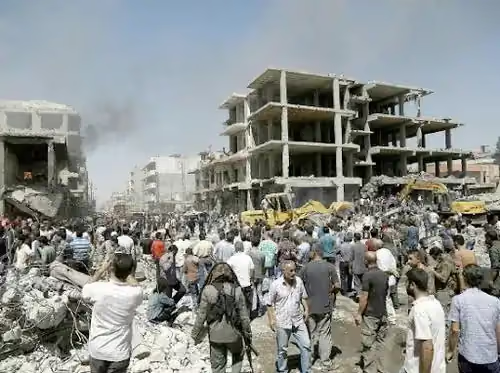
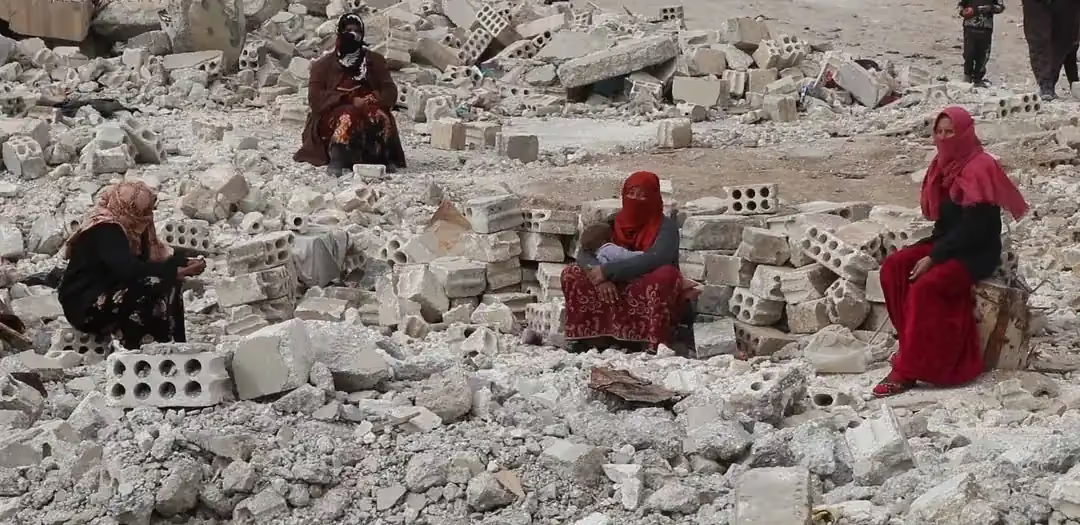
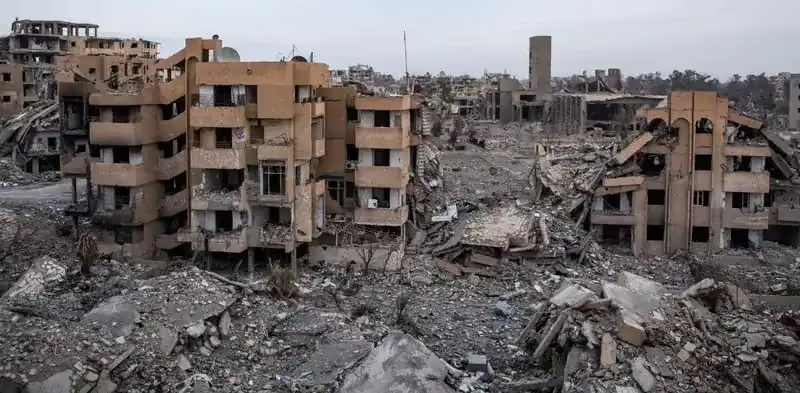
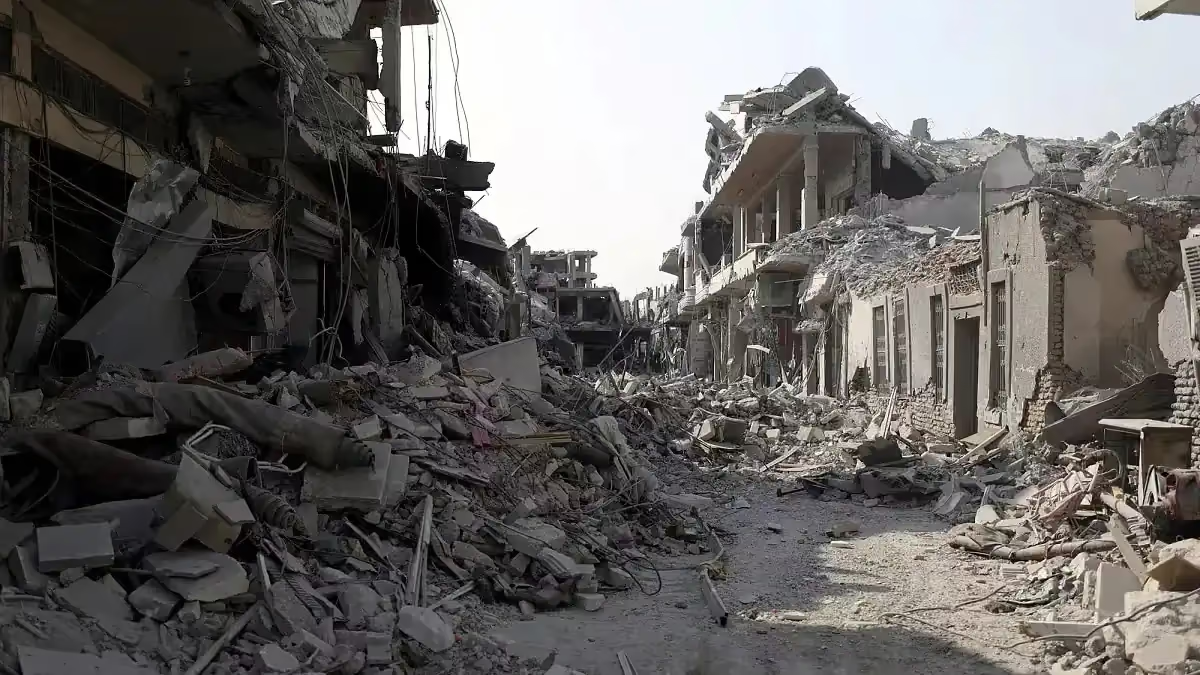
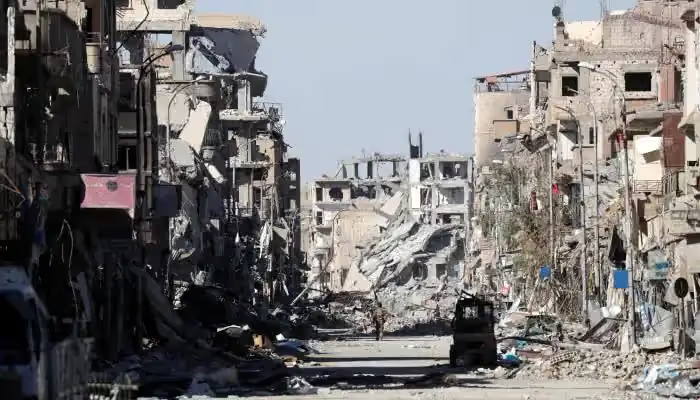
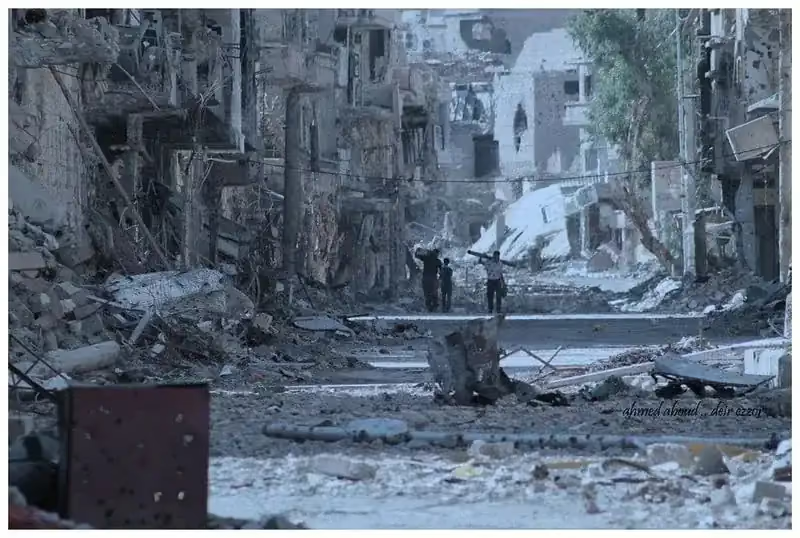
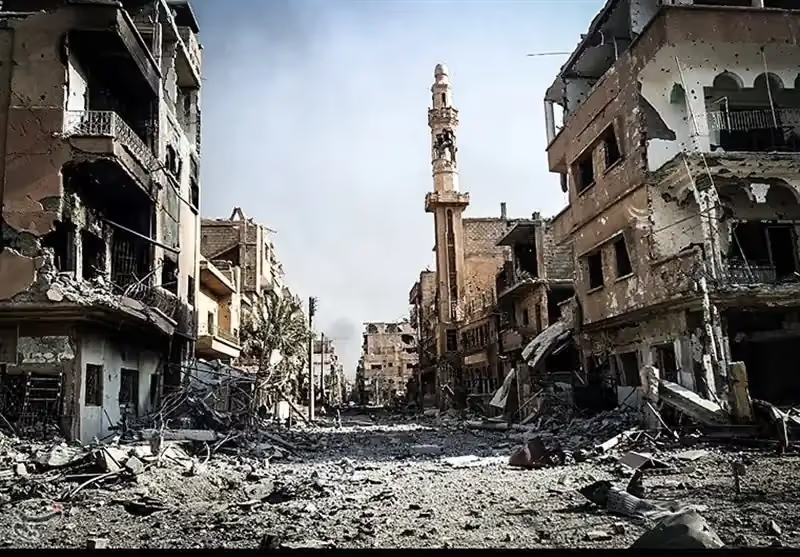
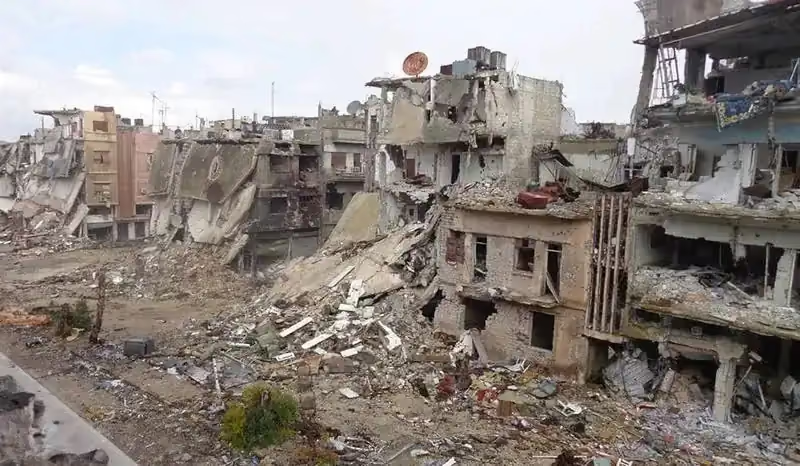
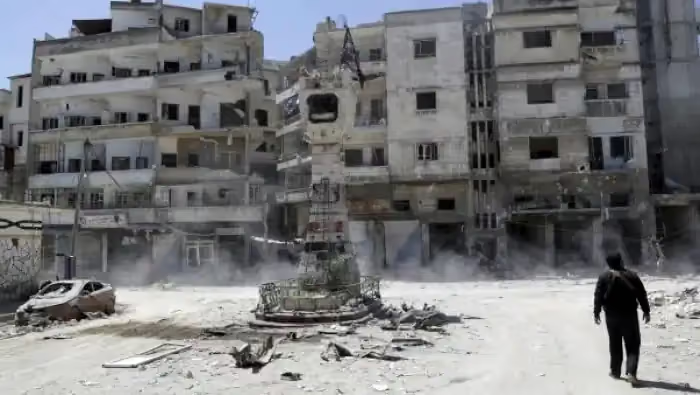
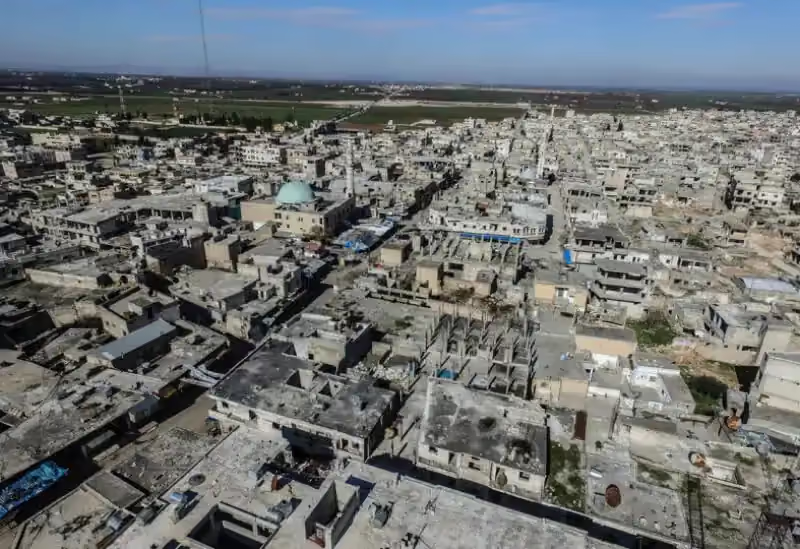
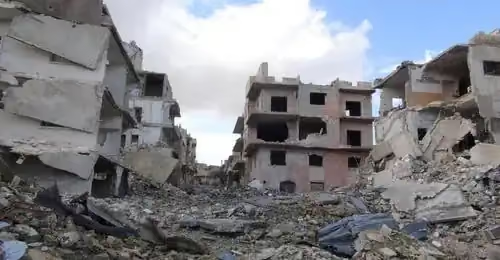
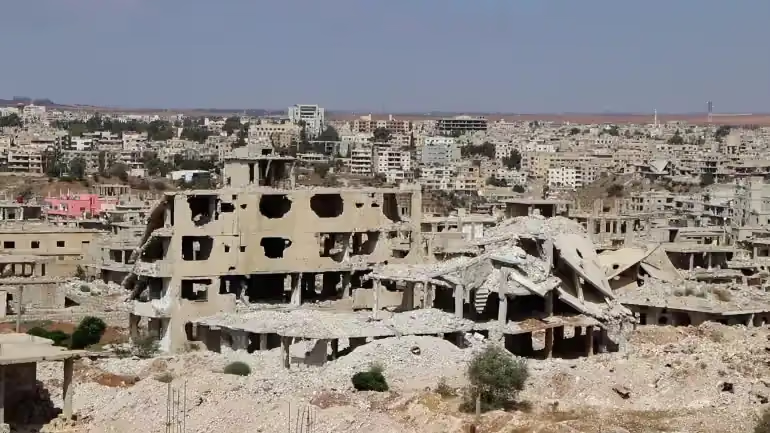
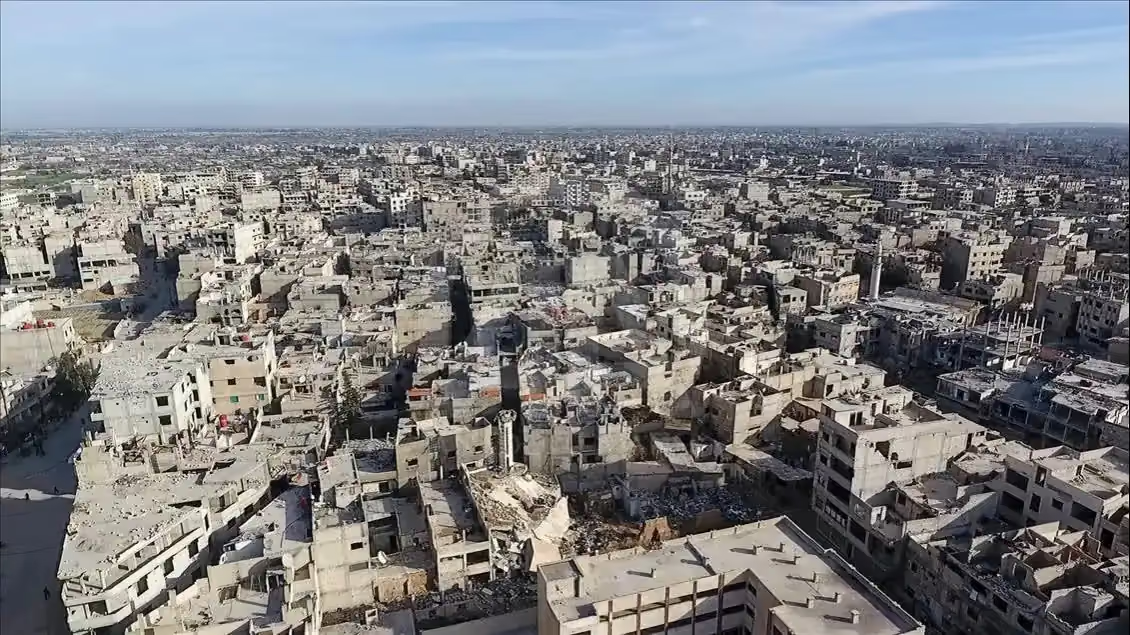
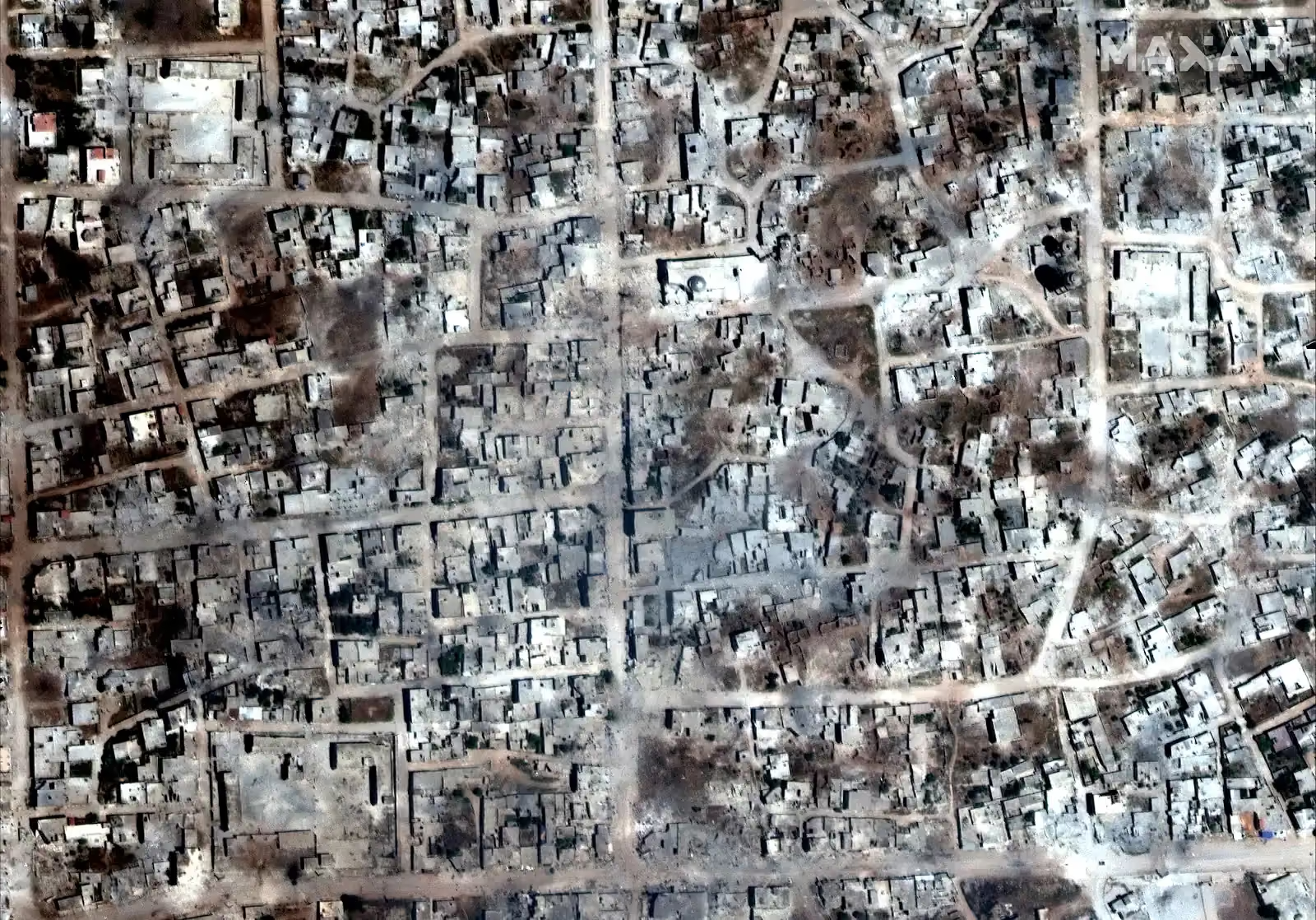
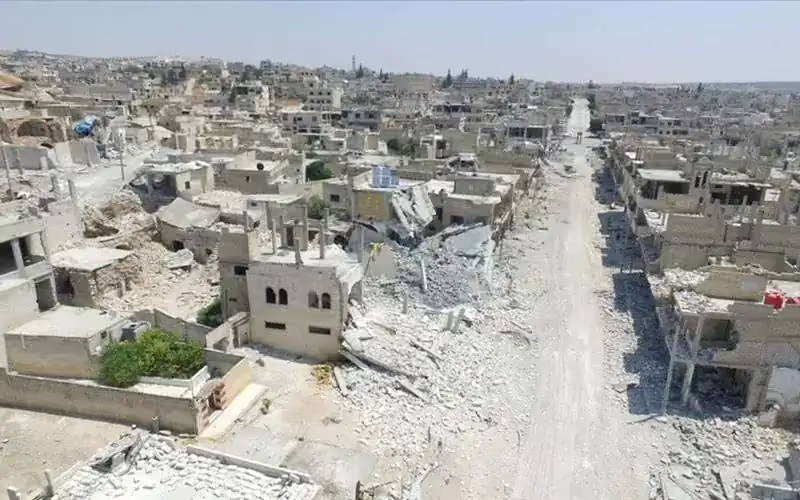
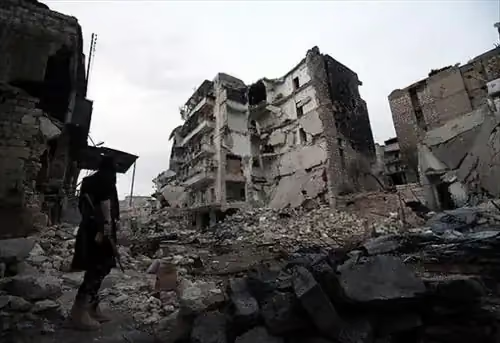
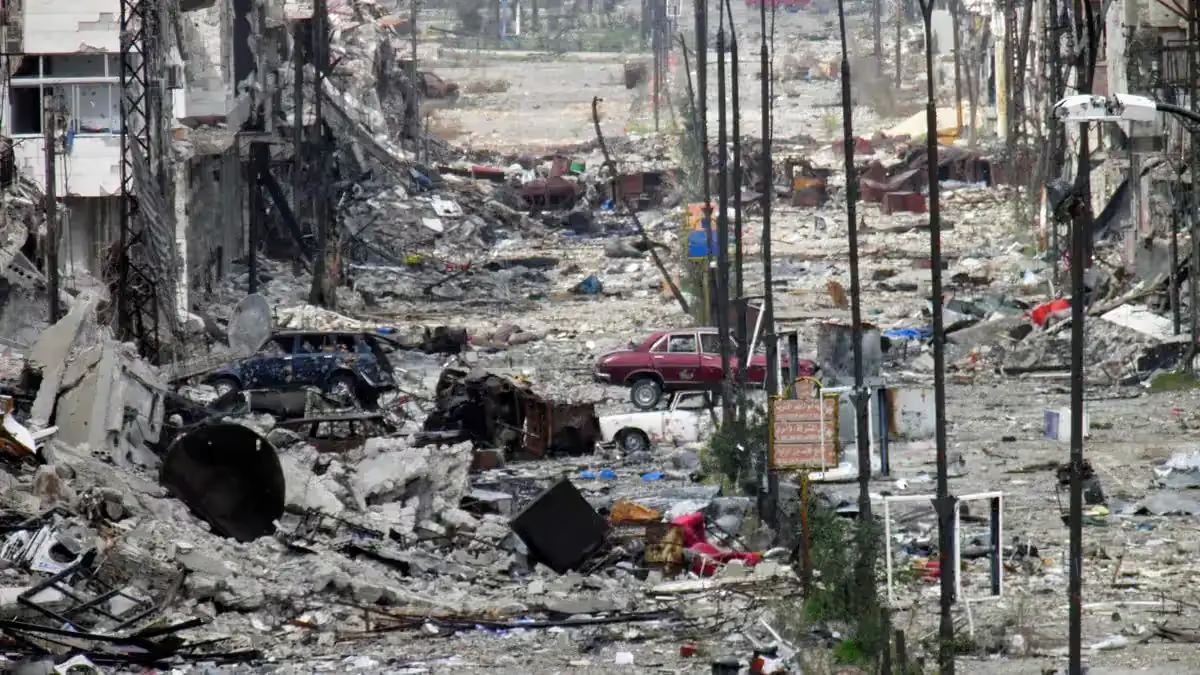
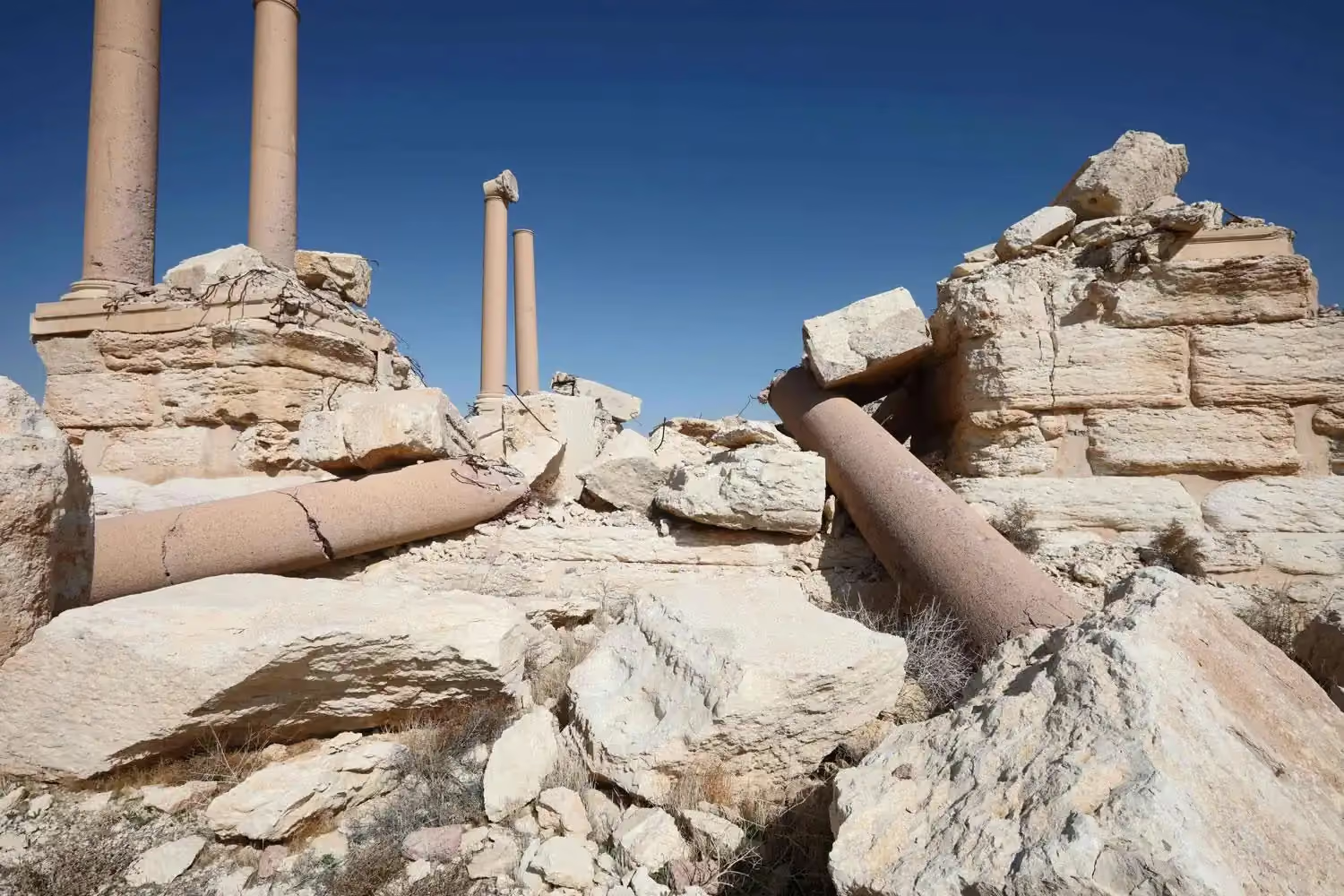
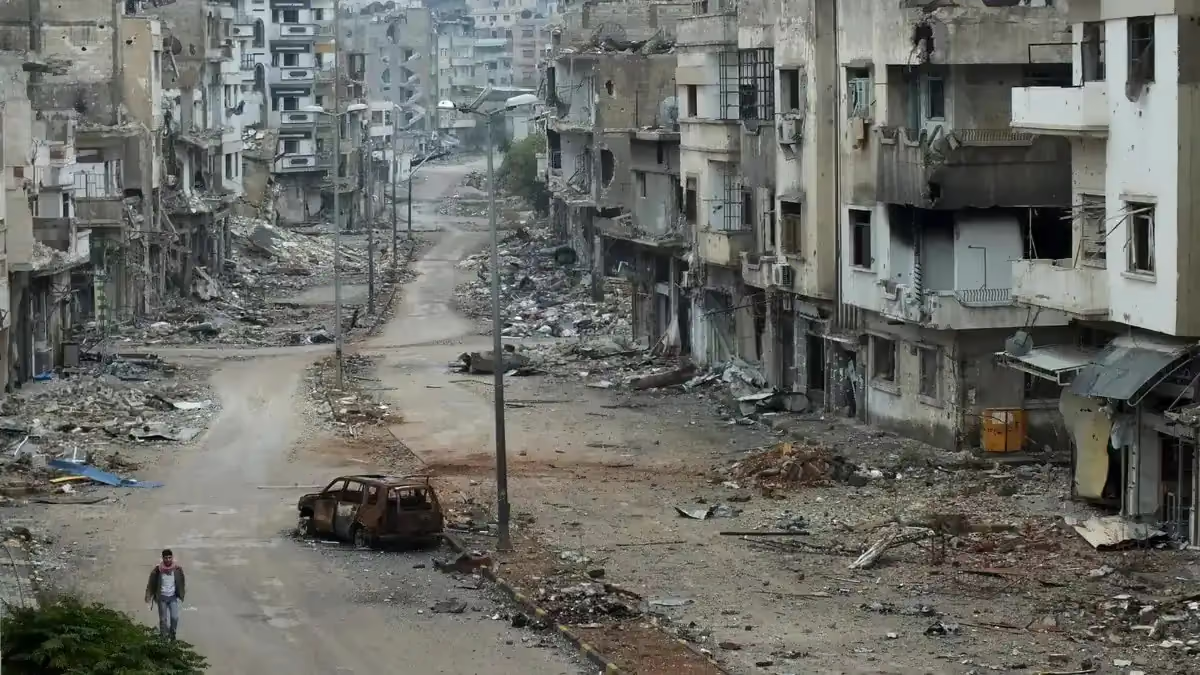
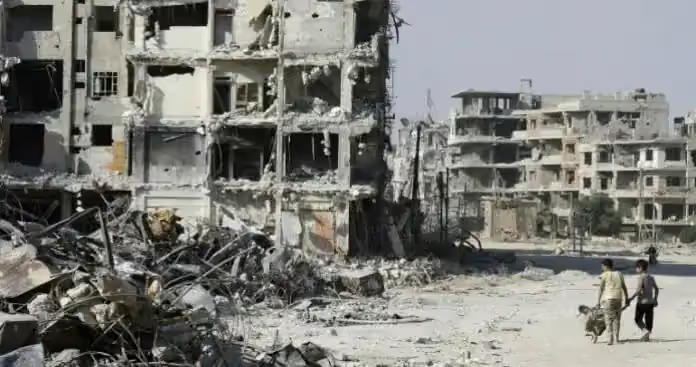
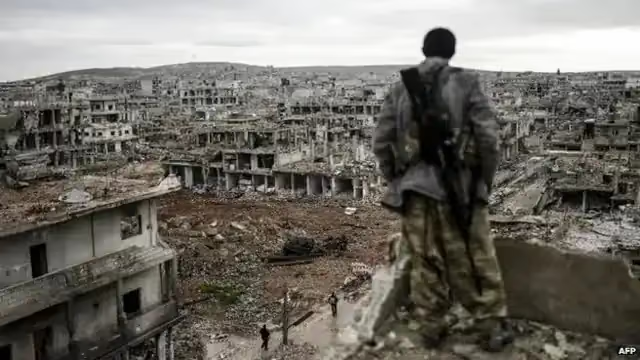
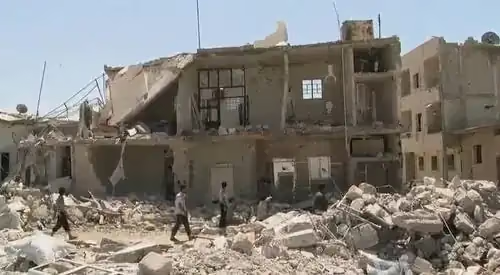
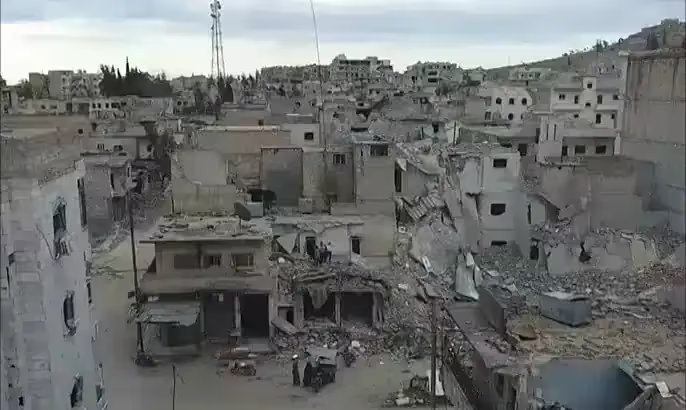
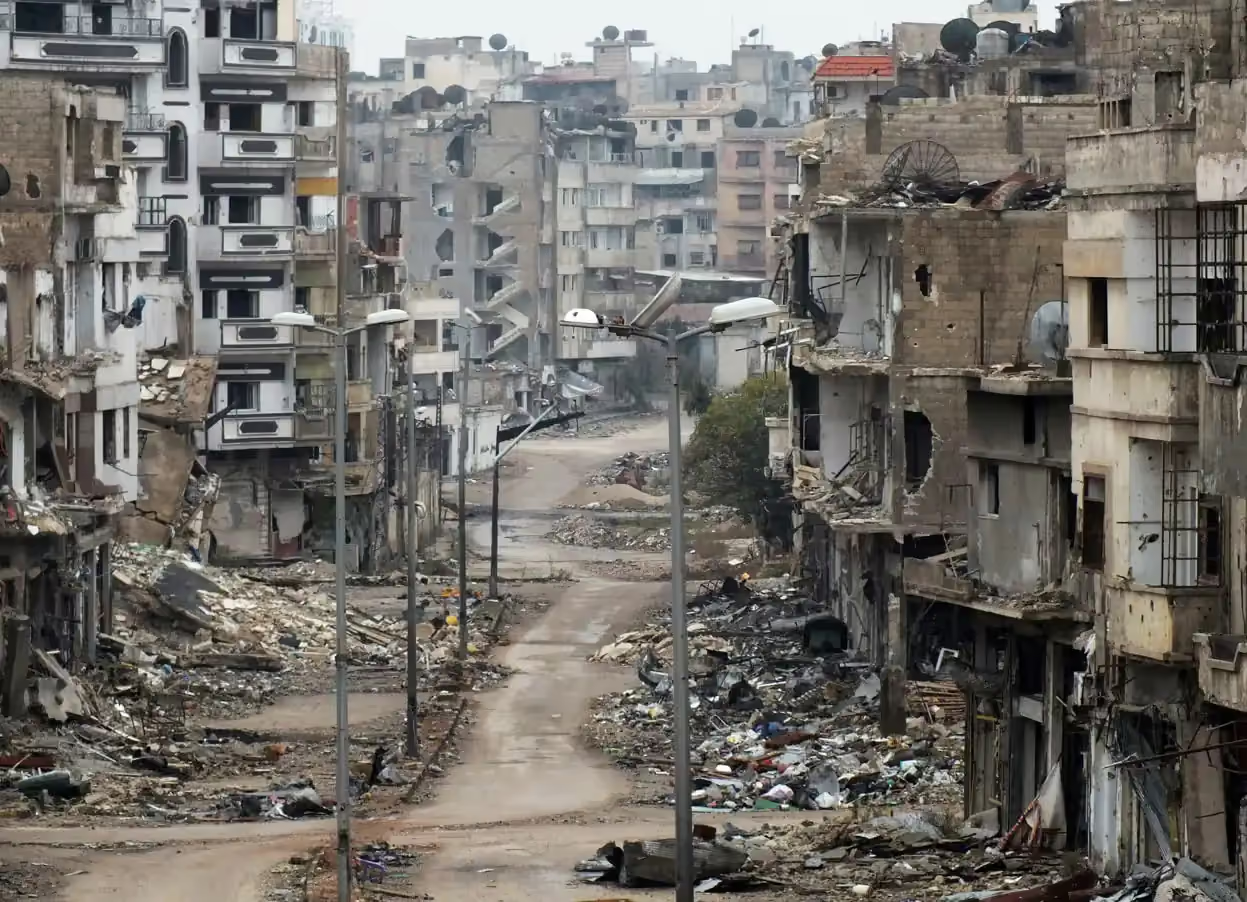
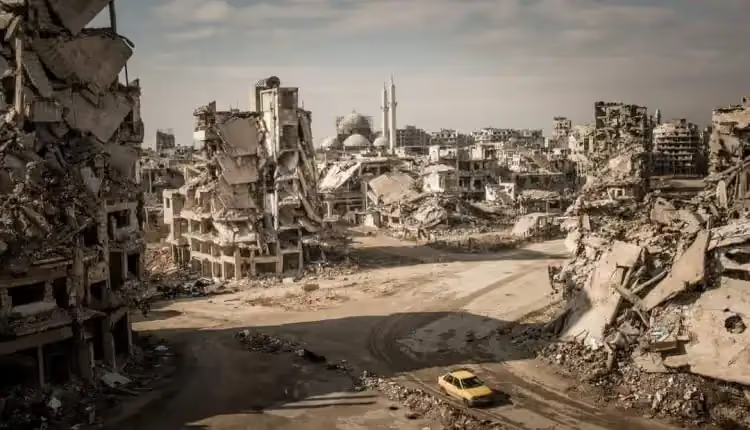
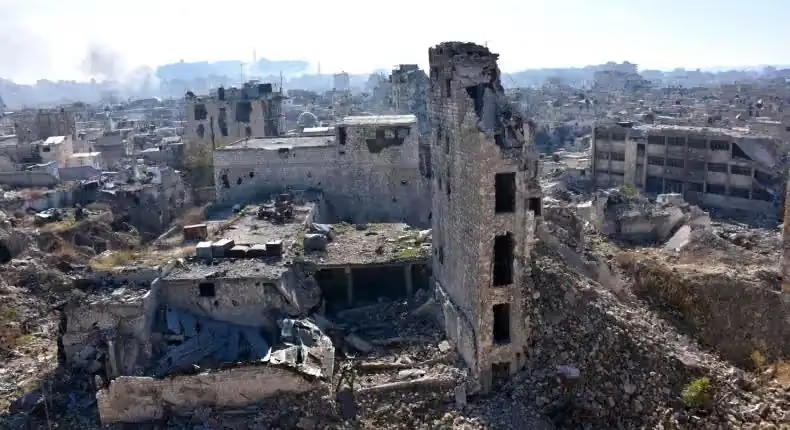
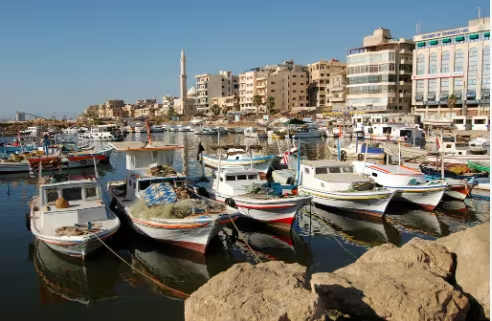
Tartus Governorate is Syria's southern coastal province, hosting the second main Mediterranean port, the medieval Cathedral of Our Lady of Tortosa, Margat Castle and the offshore island of Arwad.
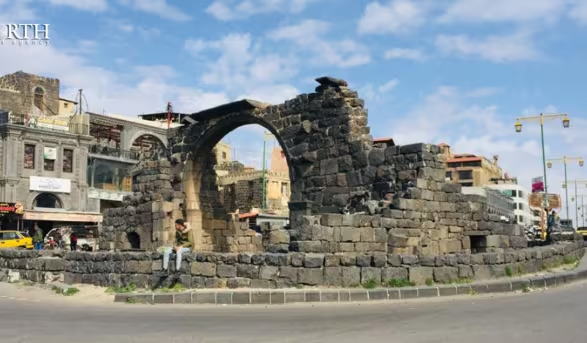
Sweida Governorate occupies the volcanic Jabal al-Arab massif in southern Syria, with traditional Druze villages, basalt architecture, ancient Nabataean and Roman remains and a distinctive highland climate.
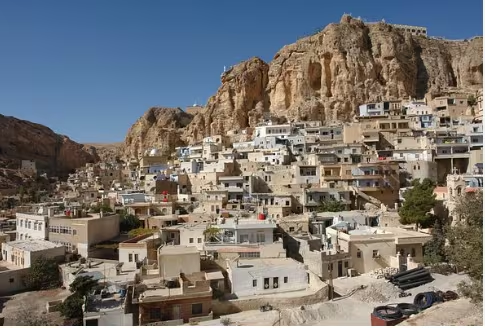
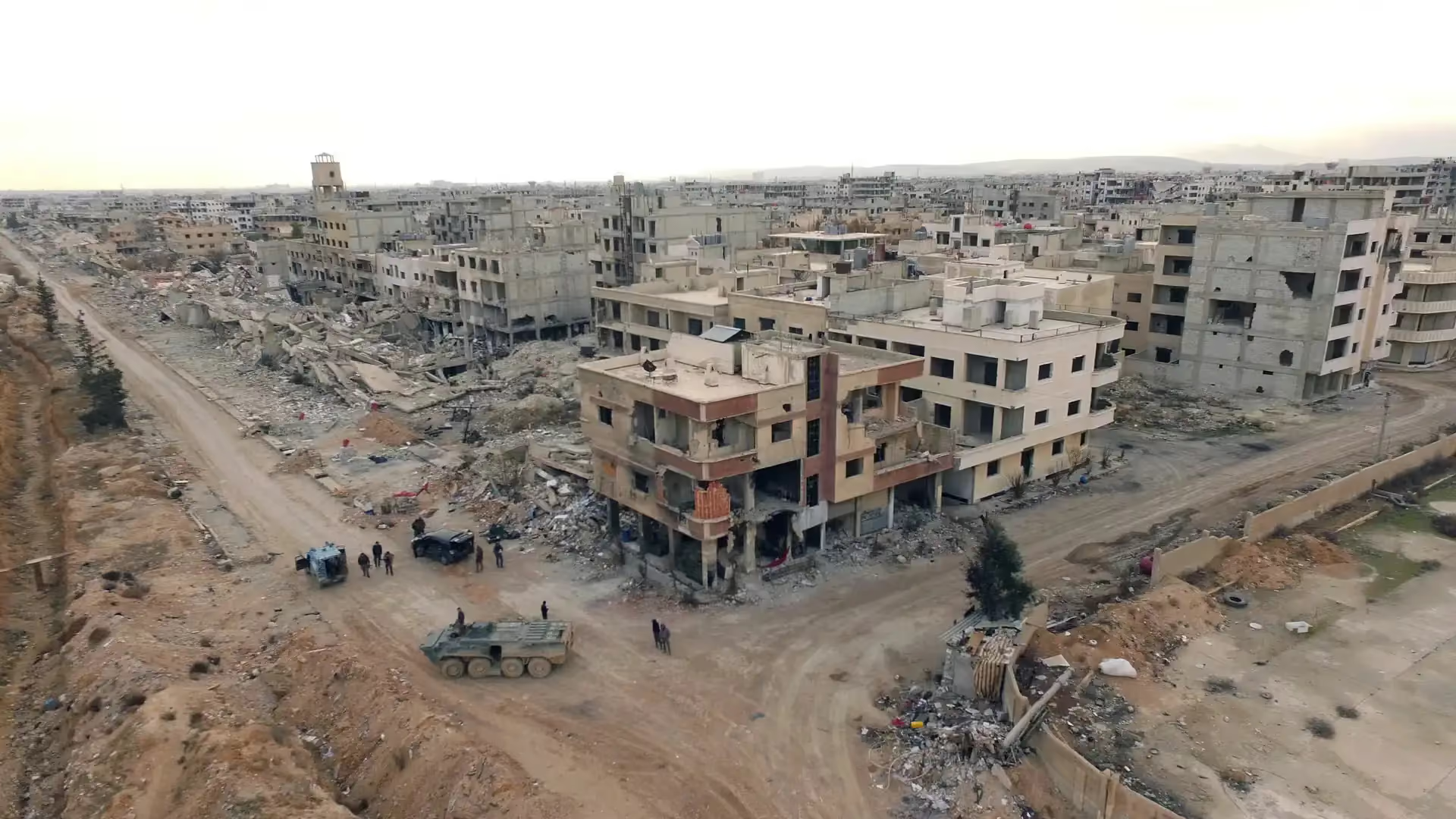
Rural Damascus Governorate surrounds the capital, encompassing the Ghouta oasis, the Christian villages of Maaloula and Saidnaya, the Bloudan summer resort area and the Anti-Lebanon mountain range.
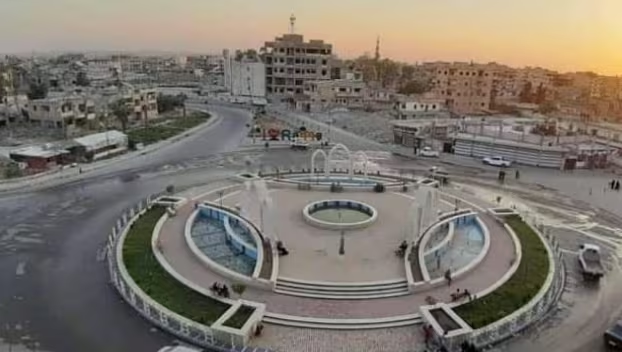
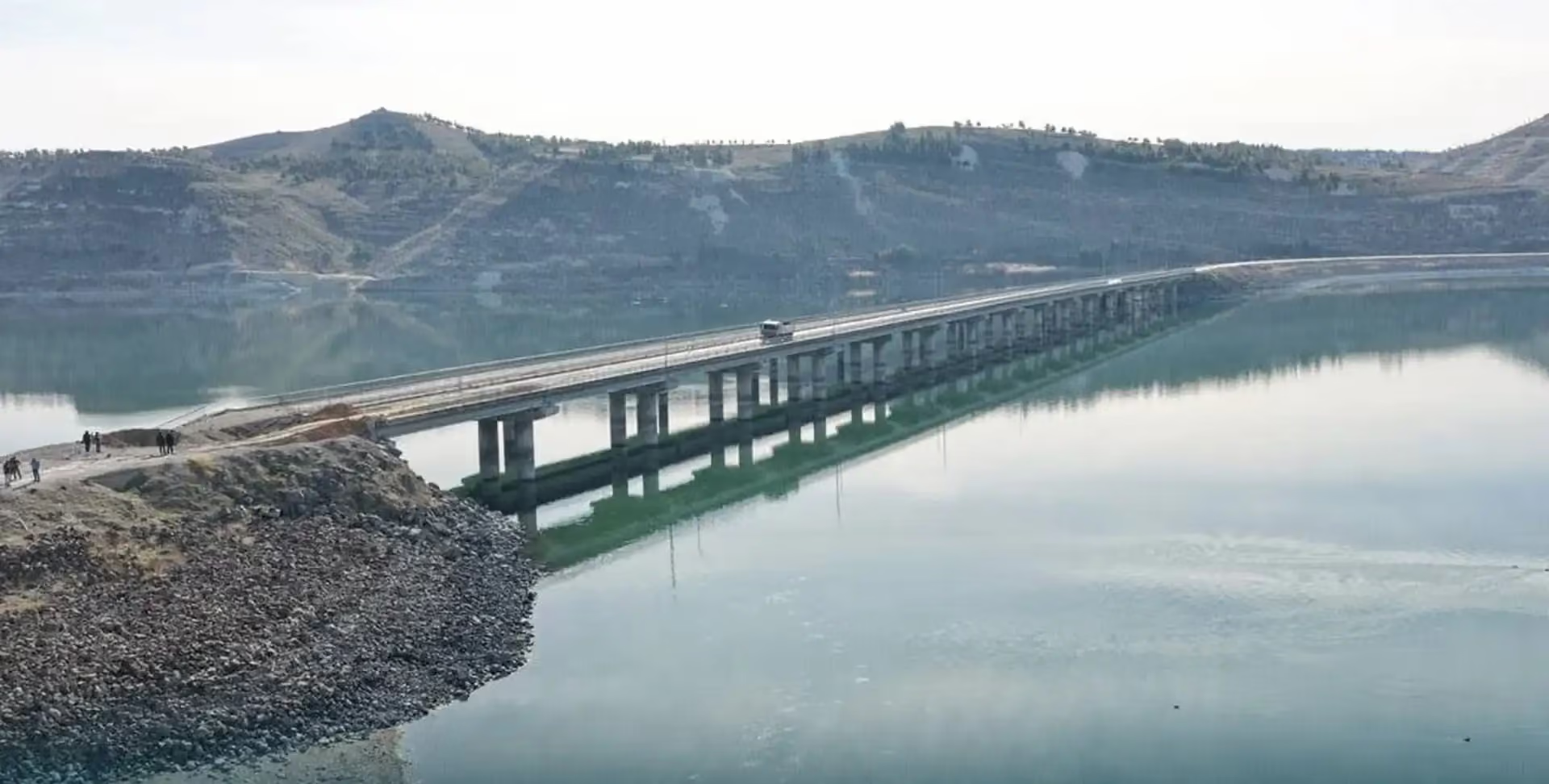
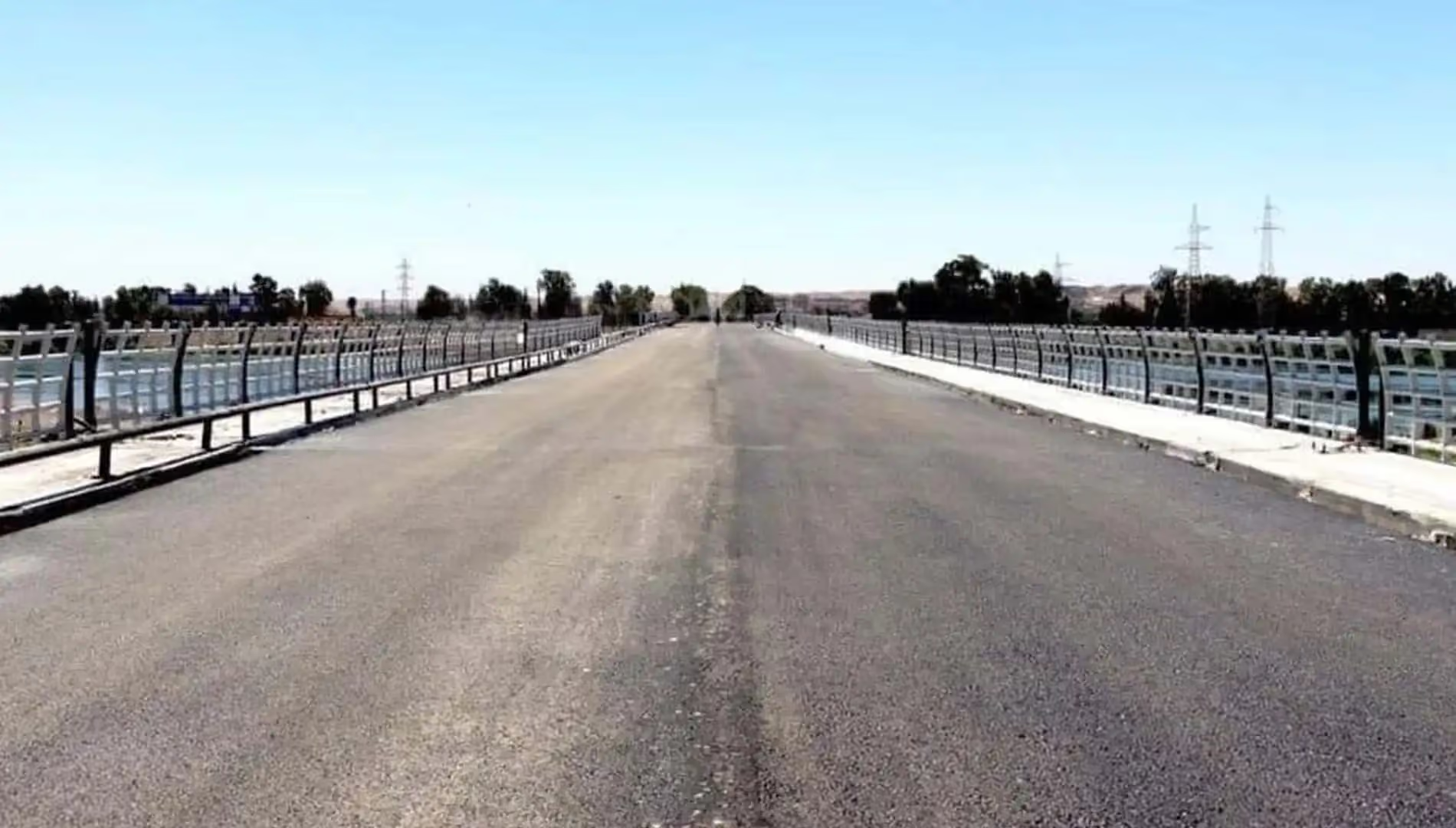
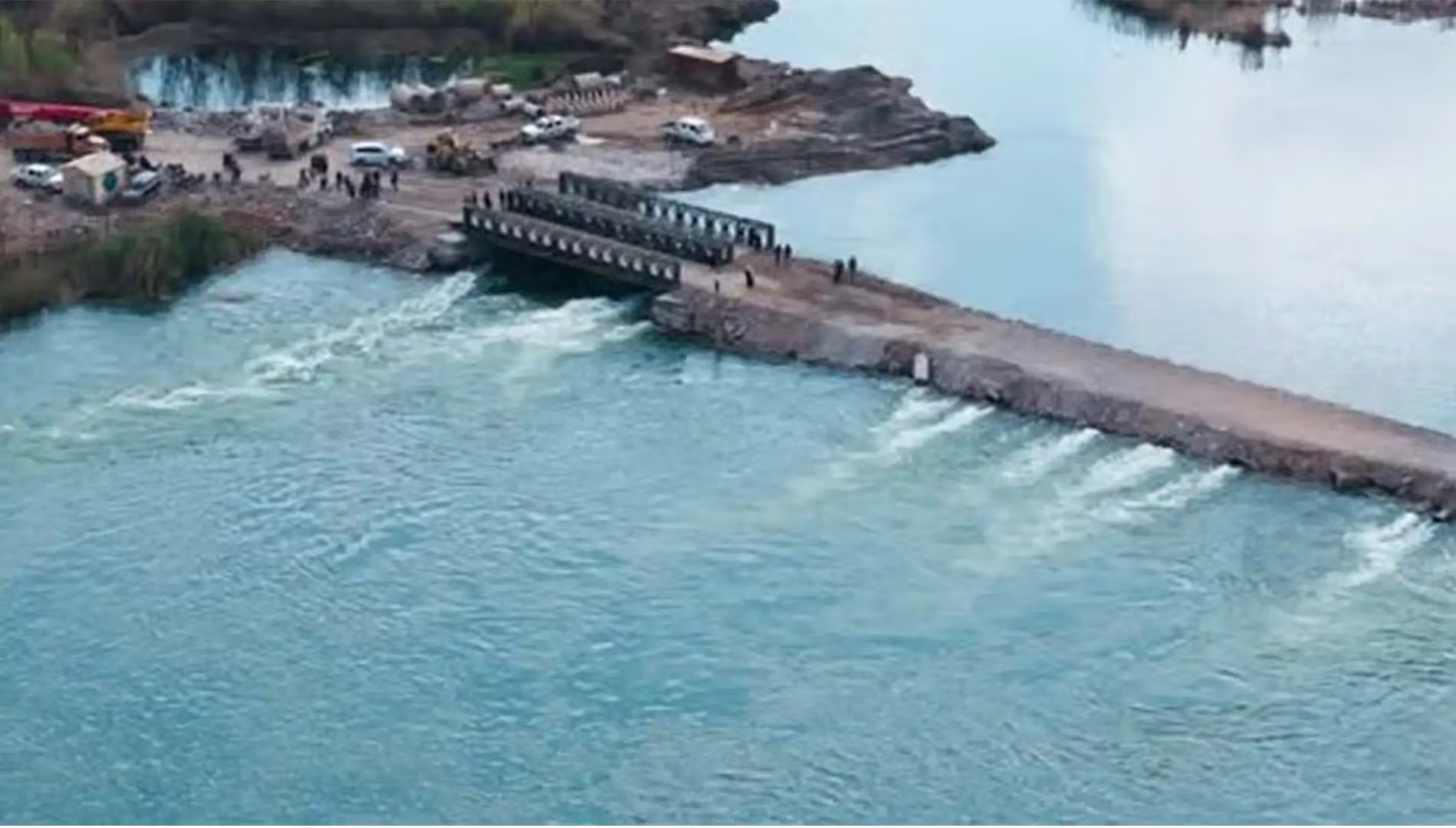
Raqqa Governorate sits along the Euphrates and was once the Abbasid capital under Harun al-Rashid; today it hosts the Tabqa Dam, Lake Assad and major irrigation infrastructure for Syria's eastern agricultural belt.
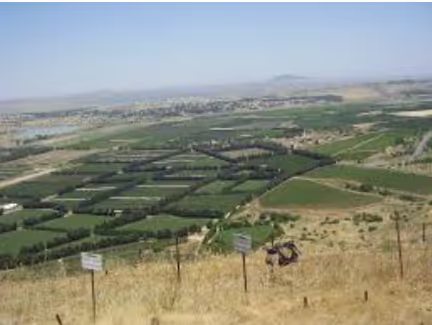
Quneitra Governorate borders the Golan Heights and Mount Hermon, marked by volcanic basalt plateaus and historically agricultural villages; the city of Quneitra was destroyed in 1974 and remains a UN-monitored zone.
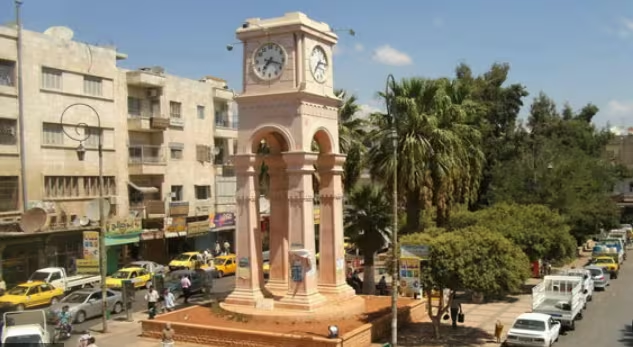
Idlib Governorate in northwestern Syria contains the UNESCO-listed Ancient Villages (the Dead Cities), the Bronze Age archive of Ebla and a transitional landscape between coastal mountains and interior plains.
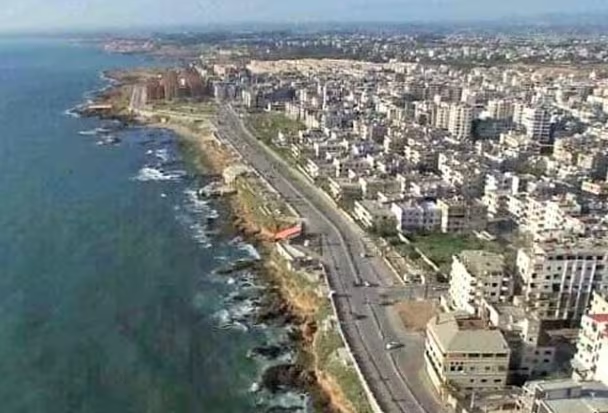
Latakia Governorate is Syria's main coastal province, hosting the principal Mediterranean port, the UNESCO archaeological site of Ugarit (Ras Shamra), Citadel of Saladin and the coastal mountain forests of Frunloq.
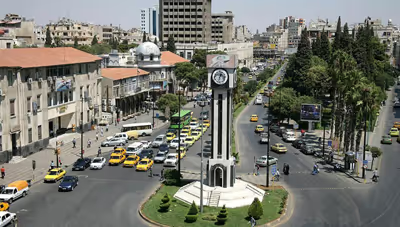
Homs Governorate is Syria's largest by area, encompassing the UNESCO-listed Krak des Chevaliers, the ancient city of Palmyra, Saint George Monastery in Wadi al-Nasara and the Homs Gap connecting the coast to the interior.
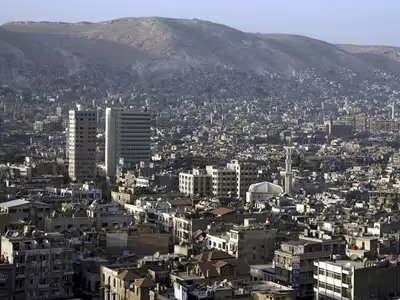
Damascus Governorate is Syria's capital and one of the oldest continuously inhabited cities in the world, hosting the Umayyad Mosque, the Old City walls, the Hamidiyah souq and the National Museum.
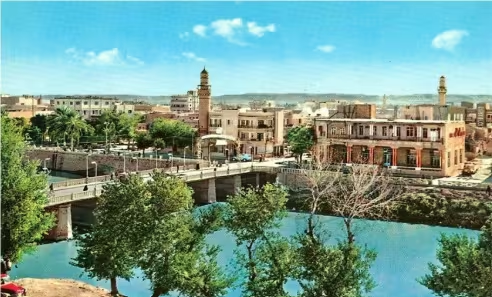
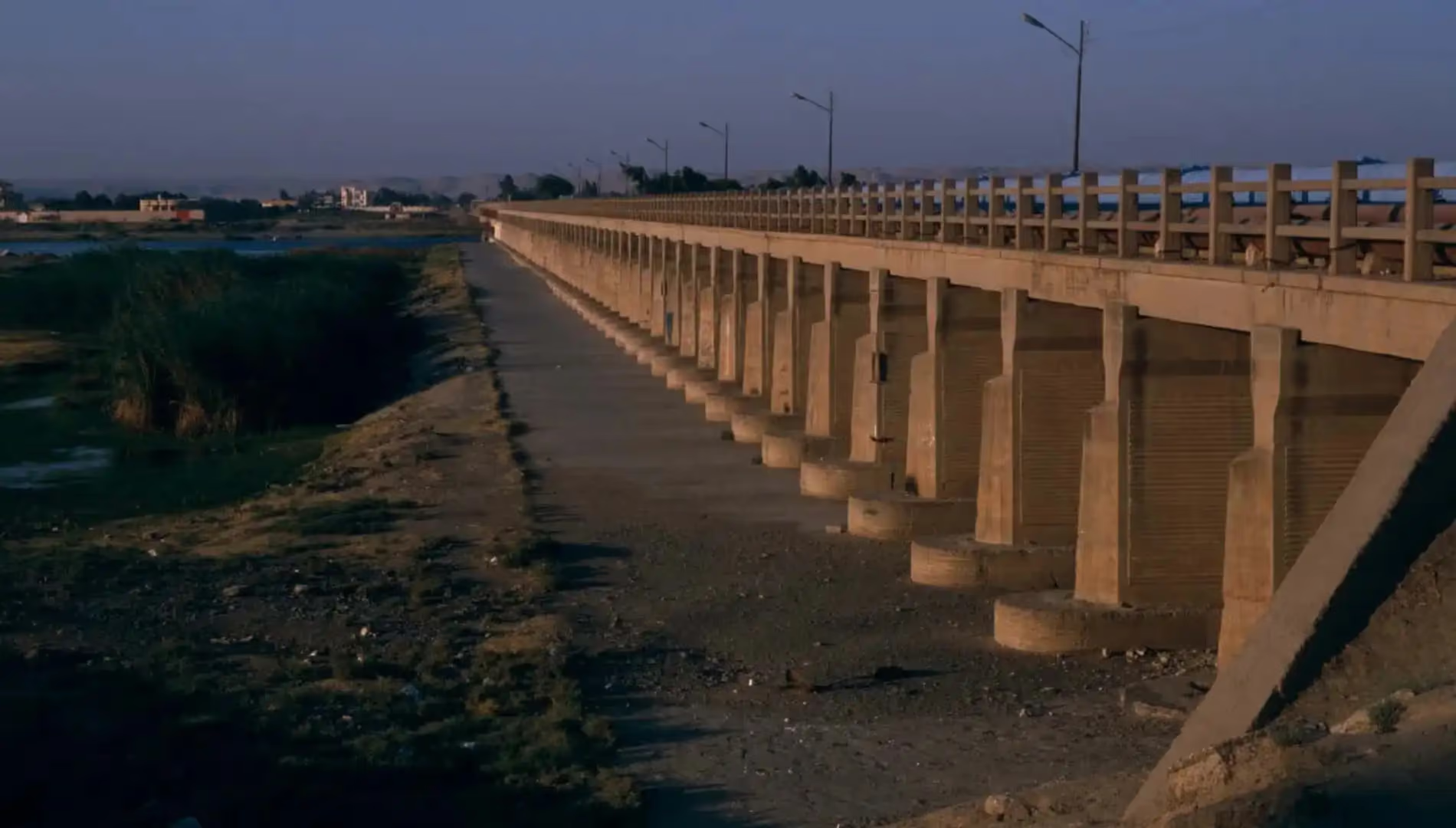
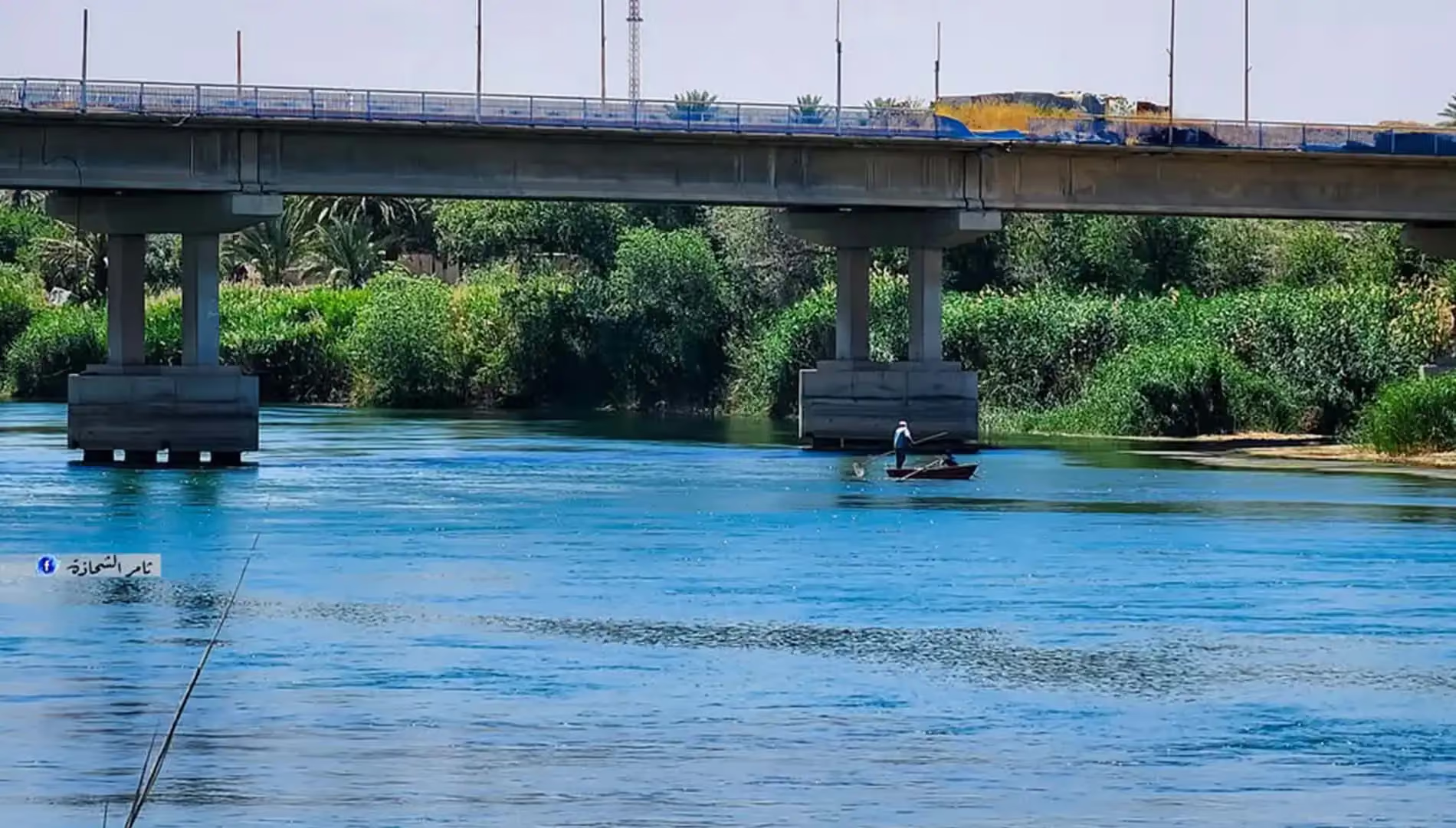
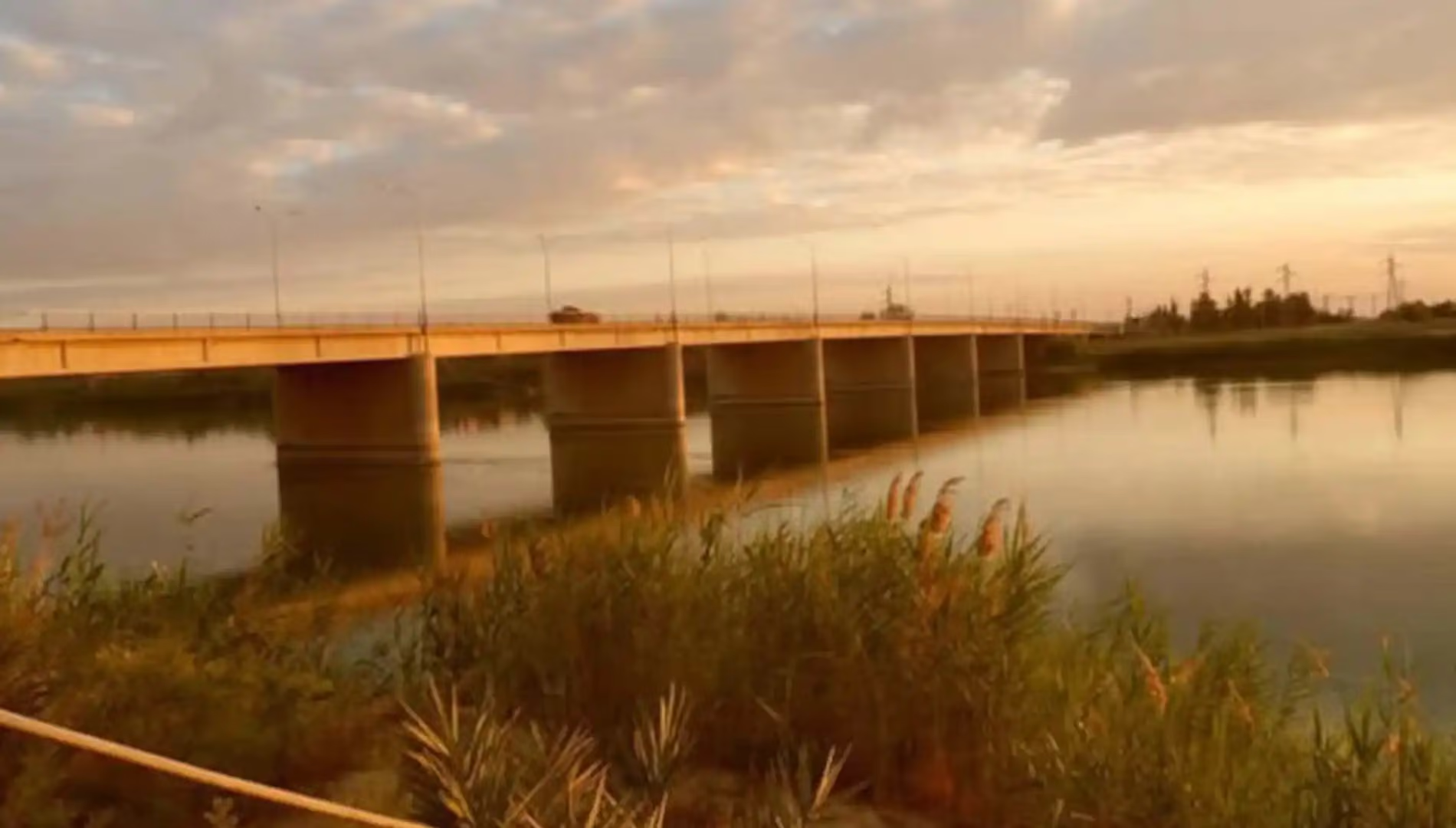
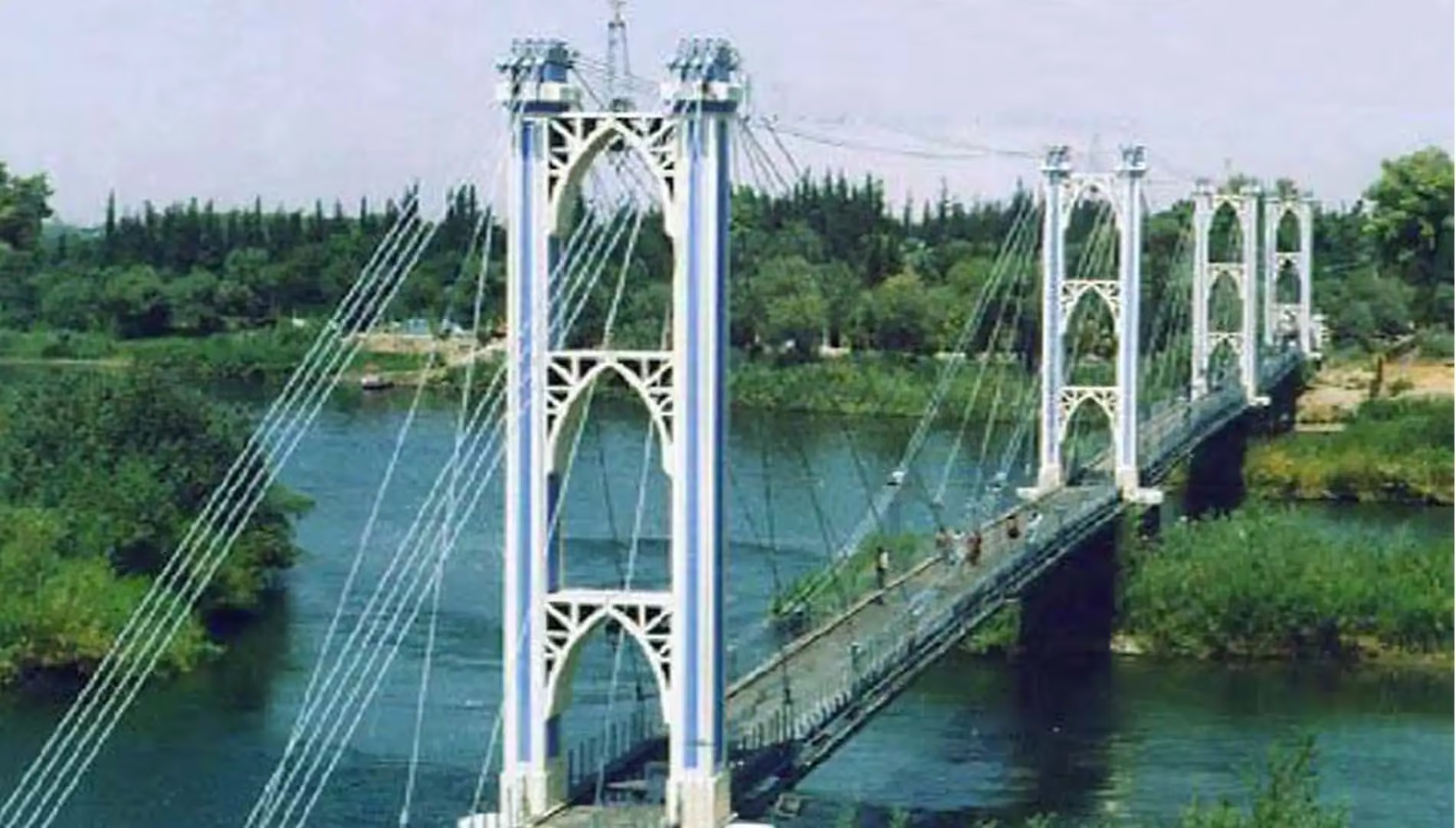
Deir ez-Zor Governorate sits along the middle Euphrates, with archaeological treasures from Mari, Dura-Europos, Halabiya, and the famous suspension bridge that became the city's architectural icon.
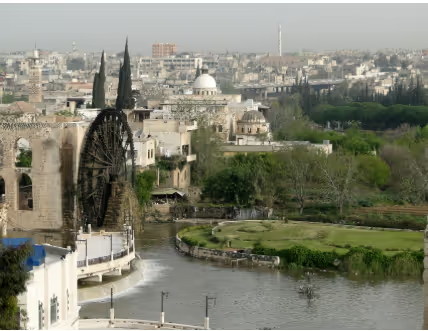
Hama Governorate is famous for its ancient wooden water-wheels (norias) along the Orontes River, the archaeological site of Apamea, Shayzar Castle and Azem Palace, with the Ghab Plain as its agricultural backbone.
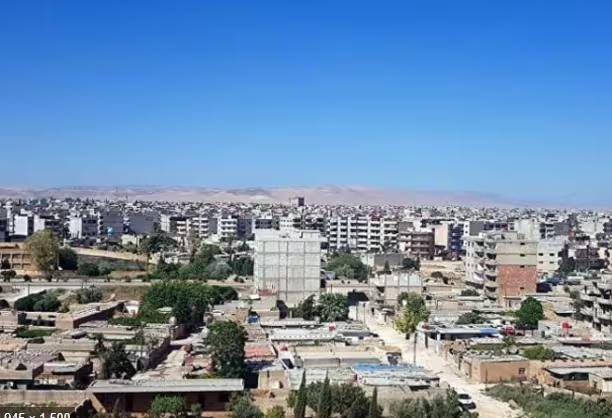
Hasakah Governorate is Syria's northeastern province along the Khabur and Euphrates basins, with major archaeological sites including Tell Halaf, Tell Brak and Tell Mozan, and key oil and agricultural resources.
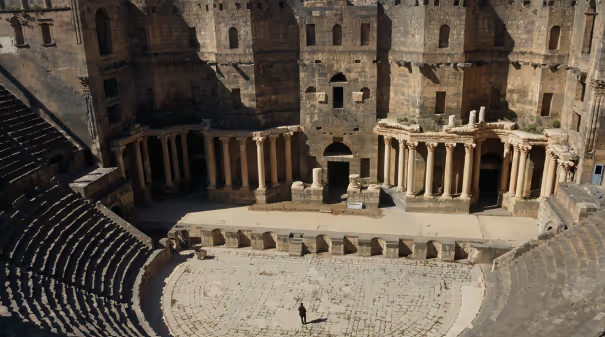
Daraa Governorate in southern Syria contains the UNESCO-listed ancient city of Bosra with its black basalt Roman theatre, and the volcanic Hauran plain that has been an agricultural heartland since antiquity.
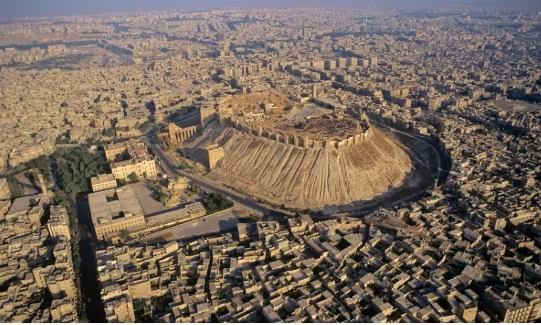
Aleppo Governorate is Syria's largest by population, home to the ancient city of Aleppo (UNESCO World Heritage), the citadel, the medieval souqs, the dead cities to the west, and Saint Simeon Stylites complex.