Syria Presents 'Zero Camps' Vision at UN Forum
24.09.2026

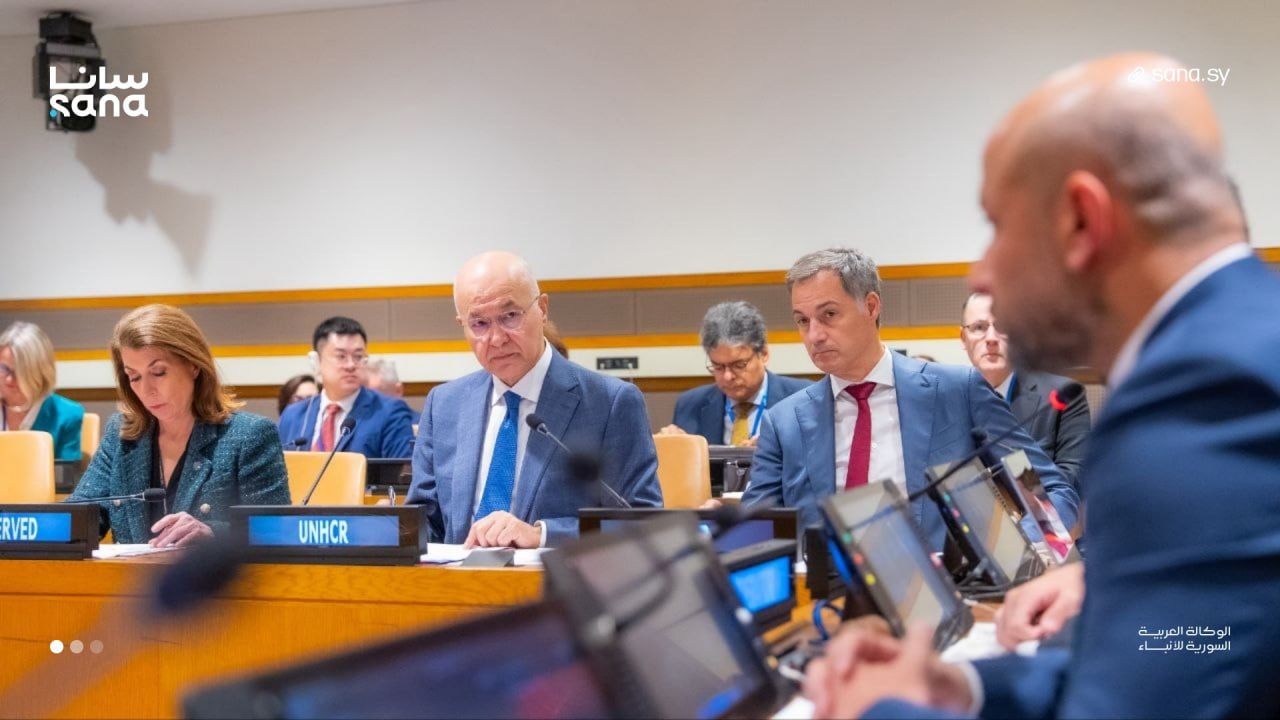
Emergency and Disaster Management Minister Raed Al-Saleh told a high-level forum at Syria's permanent mission to the United Nations in New York that returning displaced families does not simply mean moving them from tents to their villages. He said the goal is to enable them to live with dignity and stability, stressing that the aim is not to remove camps but to remove the need for them, by providing alternatives before any tent is dismantled.
Elements of Sustainable Return
Al-Saleh said sustainable return rests on interlinked elements, starting with safety through the removal of mines, unexploded ordnance and war remnants, and including:
- Rubble removal, road clearance and rehabilitation of affected areas
- Restoring infrastructure and basic services including schools and health centers
- Securing electricity, water and bakeries
- Creating jobs for returnees and residents
He called for a new international partnership that shifts from funding displacement to funding solutions, through investment in clearing war remnants and rubble, rehabilitating schools, health centers, water and electricity networks, and supporting small enterprises and local economies.
UN Support for Recovery
UNDP Administrator Achim Steiner said rebuilding has already begun in Syria, including rubble and mine clearance and the restoration of health services. He noted that realizing the vision of ending camps requires investment, policy, organization and an ambitious program, describing mine clearance, which requires long-term effort and funding, as one of the main obstacles to development work.
UN High Commissioner for Refugees Filippo Grandi announced the return of 1.8 million displaced people from neighboring countries to their homes, noting that UNHCR has understandings with the World Bank and UNDP, and is working with the private sector to mobilize resources for economic projects that help displaced people return, including to remote areas.
Numbers and Challenges
Steiner noted that the Syrian government is dealing with a difficult reality, with two million internally displaced people and around two million returnees. UN Under-Secretary-General for Humanitarian Affairs Tom Fletcher called for turning the "no camps, no tents" framework into practical implementation, affirming the UN's readiness to help.
Path to Investment and Financing
IOM Director General Amy Pope said the success of this path requires government participation and political will, and a shift toward financing that serves concrete development projects rather than continuous emergency response, opening space for financing infrastructure and services in affected areas.
Source: SANA
24.09.2026
Syria no camps, rebuilding, returnees, United Nations, mine clearance


.svg)

.avif)
.svg)