Syria's Central Bank Outlines Fintech Vision in Jordan
23.09.2026

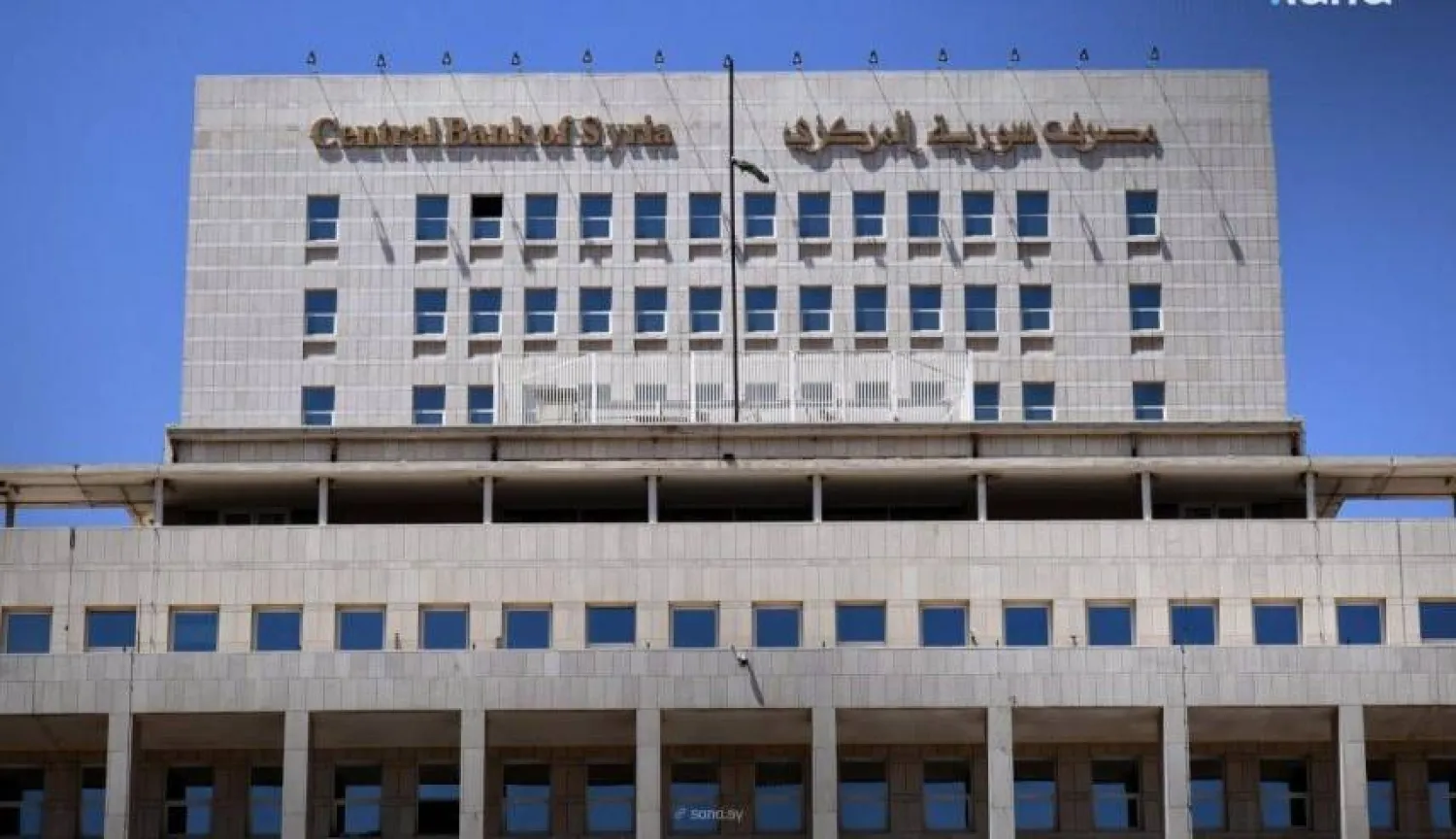
Syria's central bank governor, Safwan Raslan, took part in the opening dialogue session of the Jordan Fintech Festival 2026, held at the Dead Sea area, titled "Regulators and Innovators: Do They Speak the Same Language?"
Central Bank's Vision
During the session, the governor presented the Central Bank of Syria's vision for the coming phase, stating that developing financial technology does not conflict with restoring stability, but can serve as one of its tools, through expanding financial inclusion and providing official, trustworthy electronic financial channels.
Electronic Payment and Transfer System
The governor noted that the electronic payment and transfer system forms one of the regulatory pillars of this direction, allowing new financial solutions to be tested and developed within a clear supervisory environment.
A Syrian-Specific Model
He affirmed that Syria is not seeking to replicate foreign experiences, but rather to build a model suited to the current phase of rebuilding and modernizing the banking sector, one that gives the Syrian market broad room for investment and innovation in financial technology.
Economic Dimensions
The significance of the central bank's move toward fintech lies in linking the modernization of the banking sector to greater financial inclusion and wider use of official payment and transfer channels. A reliable electronic payment infrastructure can reduce reliance on cash transactions, improve payment speed and efficiency, and expand banks' ability to reach new segments of individuals and businesses.
A clear regulatory framework that allows fintech solutions to be tested within a supervised environment also reduces the risks of unregulated innovation, giving investors and fintech companies greater room to operate, while enabling the development of services tailored to Syria's market needs rather than copying foreign models.
The ultimate measure of this direction's success will not be the mere launch of electronic systems, but their ability to shift payments and transfers into safe, trustworthy, and widely used channels, lower their cost, strengthen confidence in the banking sector, and improve the economy's capacity to track and manage financial flows.
Source: Al-Watan
23.09.2026
Syria central bank, fintech, financial inclusion, Jordan Fintech Festival, electronic payments


.svg)

.avif)
.svg)