Hama Plans 21 Industrial Zones Across 1,500 Hectares
26.10.2026

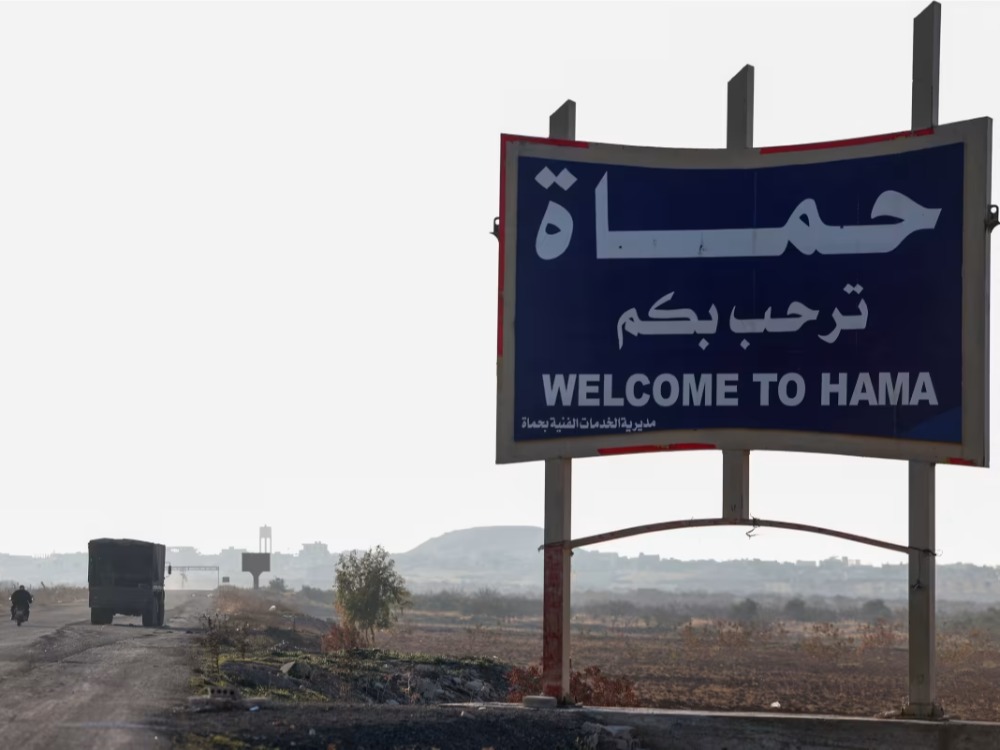
Hama governorate, working with the Ministry of Local Administration and Environment, is carrying out a plan to develop and organise 21 industrial zones and clusters covering 1,500 hectares in total. The plan includes improving infrastructure and relocating nuisance-causing facilities out of residential areas. It comes alongside an extension of the building permit deadline for subscribers and allottees until the end of 2026.
The details were given to Al-Ikhbariah Al-Souriah by Eng. Mahmoud Abdul Karim Salqini, member of the executive office for cities, municipalities and industrial zones in the governorate.
Road Contracts
Salqini said contracting is under way at a cost of 7 billion Syrian pounds to prepare infrastructure for five main roads in the northern craft zone expansion. He added that paving is hoped to begin at the start or middle of 2027.
He also cited a 32 billion pound contract under which about 70 percent of roads in the second expansion will be paved.
Electricity and Water
- Electricity: 3 of 11 transformer stations are to operate by the end of 2026, serving more than 700 subscribers, with the full system in service by the end of 2027.
- Water: according to Salqini, one of 3 wells is expected by the end of 2026, with all three connected to the network by the end of 2027.
- First expansion: the same date, end of 2027, is expected for completing all infrastructure works.
Unused Plots
Salqini stressed that the grace period for allottees does not exceed 6 months, and that a final licence is granted only once their status is properly settled. He said the procedures rest on Council of Ministers Decision No. 66 of 2018, which governs the establishment and operation of industrial zones. He stated there is an intention to withdraw licences from defaulting holders and reassign them to serious subscribers after the end-2026 deadline.
Existing Clusters
Under Council of Ministers circular No. (4/15/B), 19 industrial clusters were approved and 5 were not, for failing to meet the requirements. Salqini said existing facilities that do not meet the conditions will be given a set period to regularise their status.
On nuisance-causing facilities, coordination took place with the Hama Chamber of Industry and the Craftsmen's Union to secure equipped alternative sites, either within the industrial zone expansion, in the old industrial zone, or in approved industrial clusters.
First Expansion Figures
The first expansion in Hama city covers 254 hectares in 4 parts. Of 1,700 plots set aside for light crafts, 865 have been allocated to craftsmen, and 255 craftsmen and investors have started construction in the first part. The plots cover engineering, chemical, textile and food industries.
26.10.2026
Hama, industrial zones, craft zone, building permits, infrastructure, local administration