.avif)

Syria-Aga Khan MoU to Strengthen Development Cooperation
.svg)


.avif)
.svg)

Framework and Signatories
Syria's Ministry of Foreign Affairs and Expatriates and the Aga Khan Development Network (AKDN), a group of private, non-denominational development agencies, signed a memorandum of understanding (MoU) in Damascus on 28 April 2026. The agreement aims to expand the network's operations in Syria and to establish a structured framework for cooperation with national institutions. It was signed by Qutaiba Kadish, Director of the International Cooperation Department at the Ministry, and Ghatfan Ajoub, AKDN's Resident Representative in Syria.
The MoU builds on the "Framework for Development Cooperation" agreement signed and ratified in 2002, and reflects a long-standing partnership between the two sides spanning several decades. According to AKDN, the network has been active in Syria for more than 25 years.
Scope of Cooperation
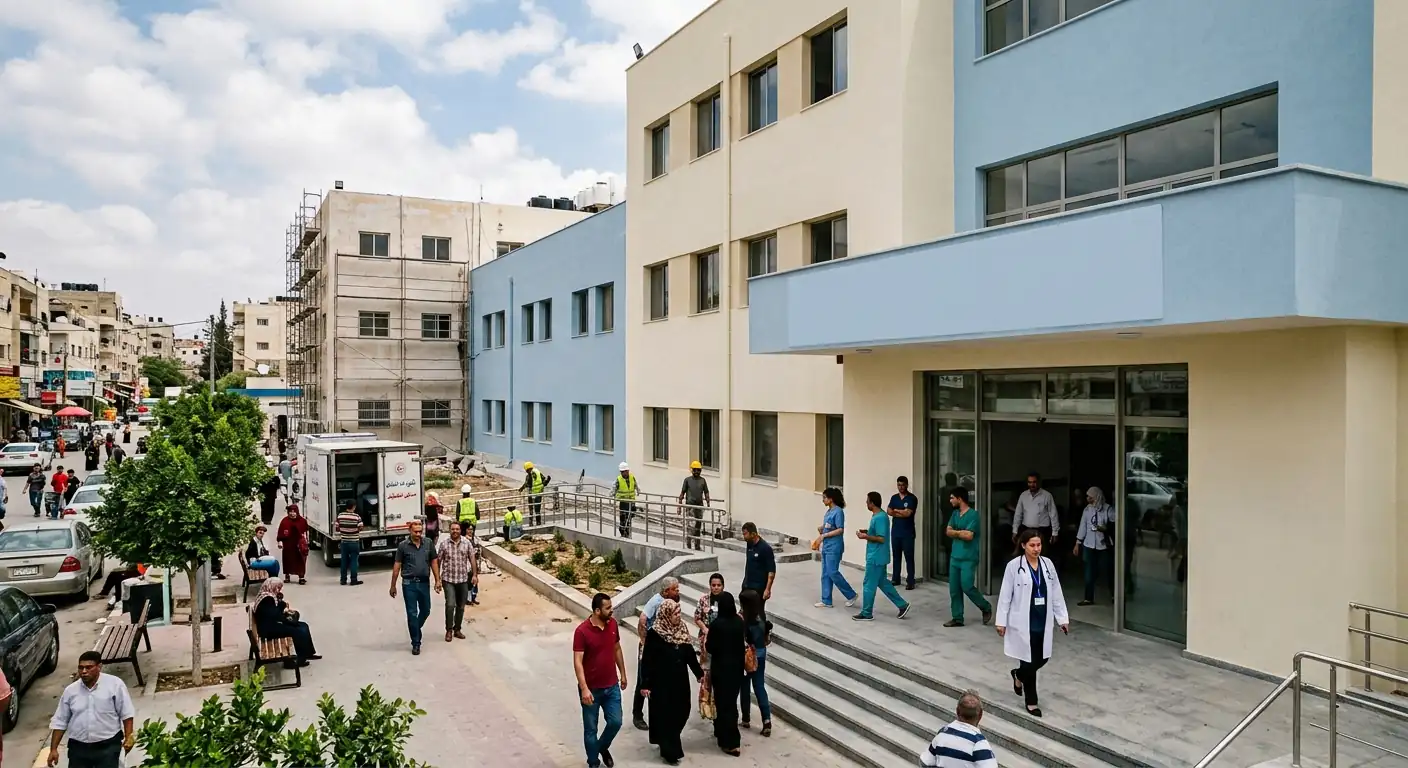
The memorandum covers four main sectors: health, education, culture, and economic development. AKDN states that cooperation under the renewed framework extends across several Syrian government bodies, including the Ministries of Health, Education, Energy, Agriculture, Culture, and Emergency Management, in addition to local governorates.
Financial Commitment and Recovery Goals
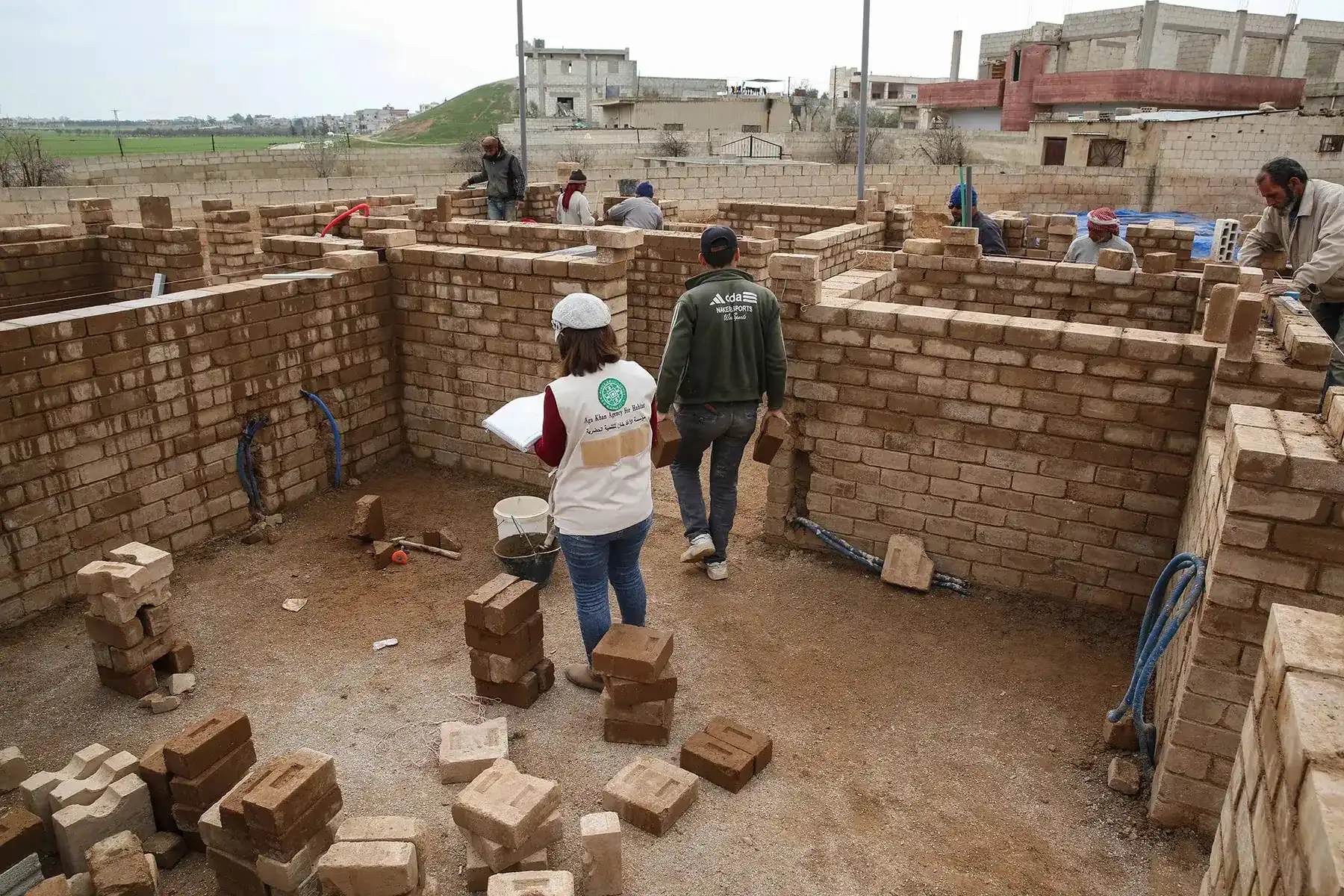
The memorandum formalises AKDN's pledge to invest a minimum of €100 million in Syria during 2026 and 2027. The network's Resident Representative, Ghatfan Ajoub, confirmed this commitment in statements to the Syrian Arab News Agency (SANA) in January 2026, noting that it is undertaken under the guidance of the network's chairman, Prince Rahim Aga Khan. The investment targets sustainable recovery and development, combining immediate humanitarian response with long-term community capacity building.
As context for the scale of the partnership, AKDN reports that the total value of its projects in Syria over the past 25 years has exceeded $320 million, including approximately $36 million in 2025 alone (figures reported by SANA).
Coordination and Implementation Mechanisms
The MoU establishes a unified oversight mechanism to coordinate the work of AKDN agencies with Syrian national institutions, enhancing operational governance and ensuring that the network's programmes and projects are aligned with national recovery and rebuilding priorities. This framework is intended to improve the coherence and effectiveness of AKDN's activities across the country. The network's Resident Representative, Ghatfan Ajoub, described the agreement as a renewed commitment reflecting AKDN's longstanding dedication to improving the quality of life for Syrian citizens.
Cooperation in the Education Sector
As part of the ongoing partnership, the Assistant Minister of Education for Academic Affairs, Youssef Annan, held discussions with AKDN representatives in January 2026 on expanding educational cooperation. The areas discussed included:
- Rehabilitation of damaged school buildings
- Strengthening early childhood education
- Teacher training and professional development
- Establishment of vocational training and language learning centres
- Integration of modern technologies into the educational process
Frequently Asked Questions
Who signed the Syria-Aga Khan memorandum of understanding?
The MoU was signed by Qutaiba Kadish, Director of the International Cooperation Department at Syria's Ministry of Foreign Affairs and Expatriates, and Ghatfan Ajoub, the Aga Khan Development Network's Resident Representative in Syria.
When and where was the MoU signed?
It was signed in Damascus on 28 April 2026.
How much is the Aga Khan Development Network committing to invest in Syria?
AKDN has pledged to invest a minimum of €100 million in Syria during 2026 and 2027, a commitment made under the guidance of the network's chairman, Prince Rahim Aga Khan.
Which sectors does the agreement cover?
The memorandum covers four main sectors: health, education, culture, and economic development, with cooperation extending across several Syrian ministries and local governorates.
What earlier agreement does this MoU build on?
It builds on the "Framework for Development Cooperation" agreement signed and ratified in 2002, reflecting a partnership that AKDN says spans more than 25 years in Syria.
What is the purpose of the coordination mechanism in the MoU?
The MoU establishes a unified oversight mechanism to coordinate AKDN agencies with Syrian national institutions and to align the network's programmes with national recovery and rebuilding priorities.
What educational cooperation is planned?
Discussions in January 2026 covered rehabilitation of damaged school buildings, early childhood education, teacher training, vocational and language learning centres, and integrating modern technologies into education.
Update — 2026-08-11
The memorandum of understanding signed on 30 April 2026, per the Aga Khan Development Network's official news release, has begun to be followed up through specific sector tracks. According to SANA on 23 July 2026, Aleppo Deputy Governor Ali Hannoura met a network delegation headed by Dr Muhannad Obeido, chief executive of the Aga Khan Foundation in Syria, to review restoration needs in Aleppo's Old City, identify the sites most in need of restoration, and follow up maintenance and restoration works at Aleppo Citadel under the project the network funds.
On 11 August 2026, also per SANA, Minister of Agriculture Basel al-Sweidan met the network's resident representative Ghatfan Ajoub to discuss joint projects covering agricultural infrastructure, irrigation networks and well drilling, agricultural cooperatives and extension services, livestock and rangeland, research centres and laboratories, the empowerment of rural women in production and marketing, and training and qualification. Neither report carried financial figures for these tracks.
Sources