.avif)

City of Jasmine Project


.svg)


.avif)
.svg)

Project overview
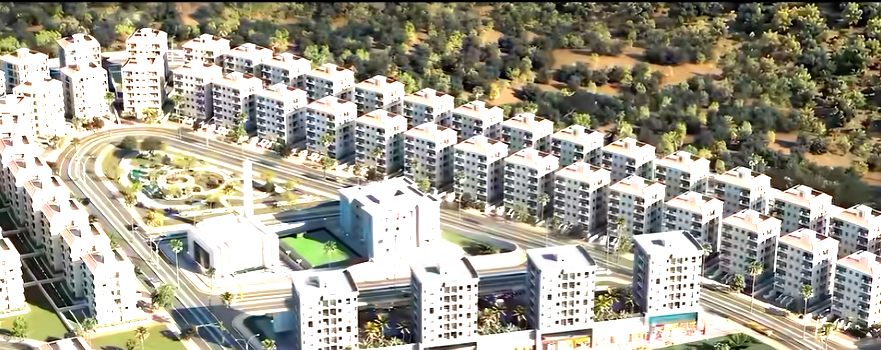
The Jasmine City project in Hama is the first real estate development of its scale in the governorate's history. It is an integrated residential and service city being built in the Wadi al-Jawz area, covering approximately 300,000 square meters, with an investment exceeding a quarter of a billion dollars.
The project was announced in August 2025 as a partnership between the public sector and a private investment consortium. Its stated aim is to create a new urban fabric that provides housing, services, and job opportunities for thousands of residents.
Location
The project is located in Wadi al-Jawz, east of Hama city, a former informal settlement with high population density and limited services, which is being redeveloped as part of a new investment plan.
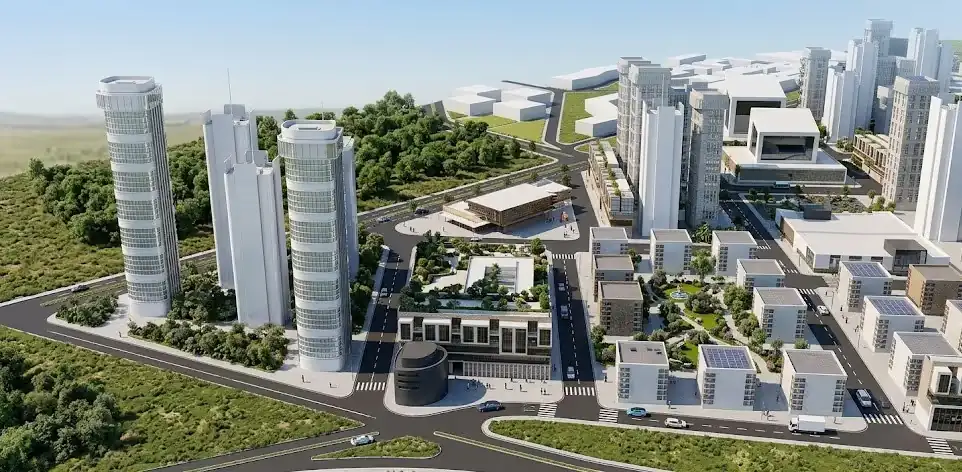
Officials describe it as an integrated city, not just a residential complex, with modern infrastructure, a road network, and public facilities within the same development.
Residential capacity
The development includes approximately 2,600 residential units accommodating more than 13,000 people according to the proposed designs, with different models of towers and residential buildings.
Urban and service components
- Educational facilities from kindergarten to high school within the project.
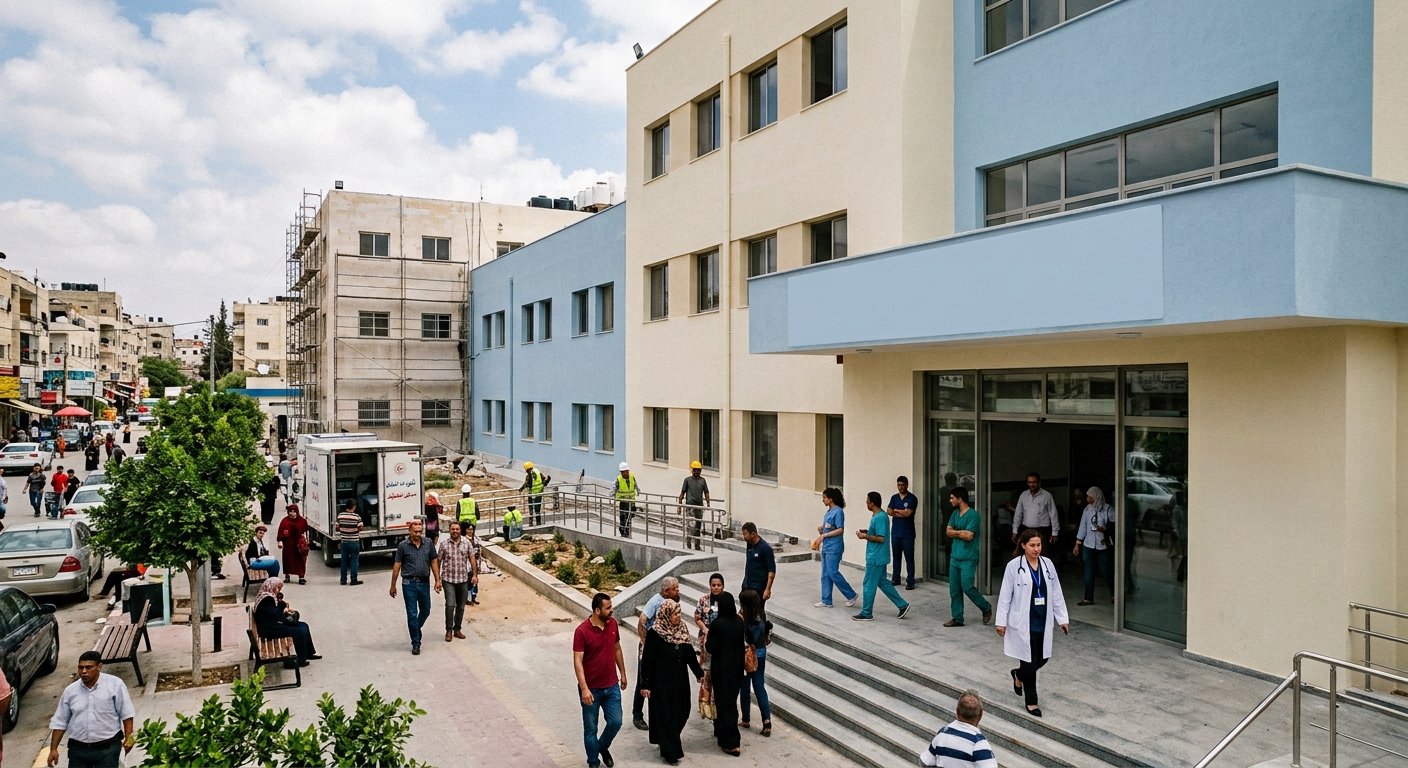
- Health centers, administrative services, and places of worship.
- Commercial and tourist facilities, including shopping centers, restaurants, hotels, public parks, playgrounds, and parking within the boulevard and indoor gardens.
According to the project description, these facilities are intended to serve residents without the need for frequent trips to the city center.
Economic impact and job opportunities
Official estimates indicate that the project will create over 30,000 jobs during the construction phase, in addition to approximately 8,000 permanent positions in operations, management, and services within the city.
According to the same estimates, it is expected to support the construction market, the services sector, and local contracting businesses in Hama, and to increase activity in the building materials, transportation, and trade sectors.
Frequently Asked Questions
Where is the Jasmine City project located?
The project is located in the Wadi al-Jawz area, east of Hama city, a former informal settlement being redeveloped under a new investment plan.
What is the size and investment value of the project?
It covers approximately 300,000 square meters, with an investment exceeding a quarter of a billion dollars. It was announced in August 2025.
How many residential units and residents will it include?
According to the proposed designs, it includes approximately 2,600 residential units accommodating more than 13,000 people.
How many jobs is the project expected to create?
Official estimates indicate over 30,000 jobs during the construction phase and approximately 8,000 permanent positions in operations, management, and services.
Gallery :