


No items found.

.png)


Damascus Governorate, in cooperation with the Ministry of Tourism, officially launched the "Qassioun Journey" project at Mount Qassioun during a ceremony held on Tuesday evening at the Damascus Opera House. The event was attended by several ministers, the governors of Damascus and Rif Dimashq, the Presidential Adviser for Media Affairs, as well as ambassadors and representatives from economic and investment sectors.
Damascus Governor Maher Marwan Adlabi stated that the project integrates tourism, economic, social, and cultural dimensions, reflecting an ambitious development vision centered on Syrian citizens. He described "Qassioun Journey" as the first Syrian project to combine these sectors within a single framework, emphasizing that it complements, rather than replaces, the governorate's priorities in infrastructure, services, and the return of displaced persons.
Adlabi noted that the project transforms Mount Qassioun into an open platform for community participation, reversing its status as a closed and inaccessible area under the former regime. He also praised President Ahmad al-Sharaa's personal interest in the project and his commitment to involving Syrian expertise in its implementation.
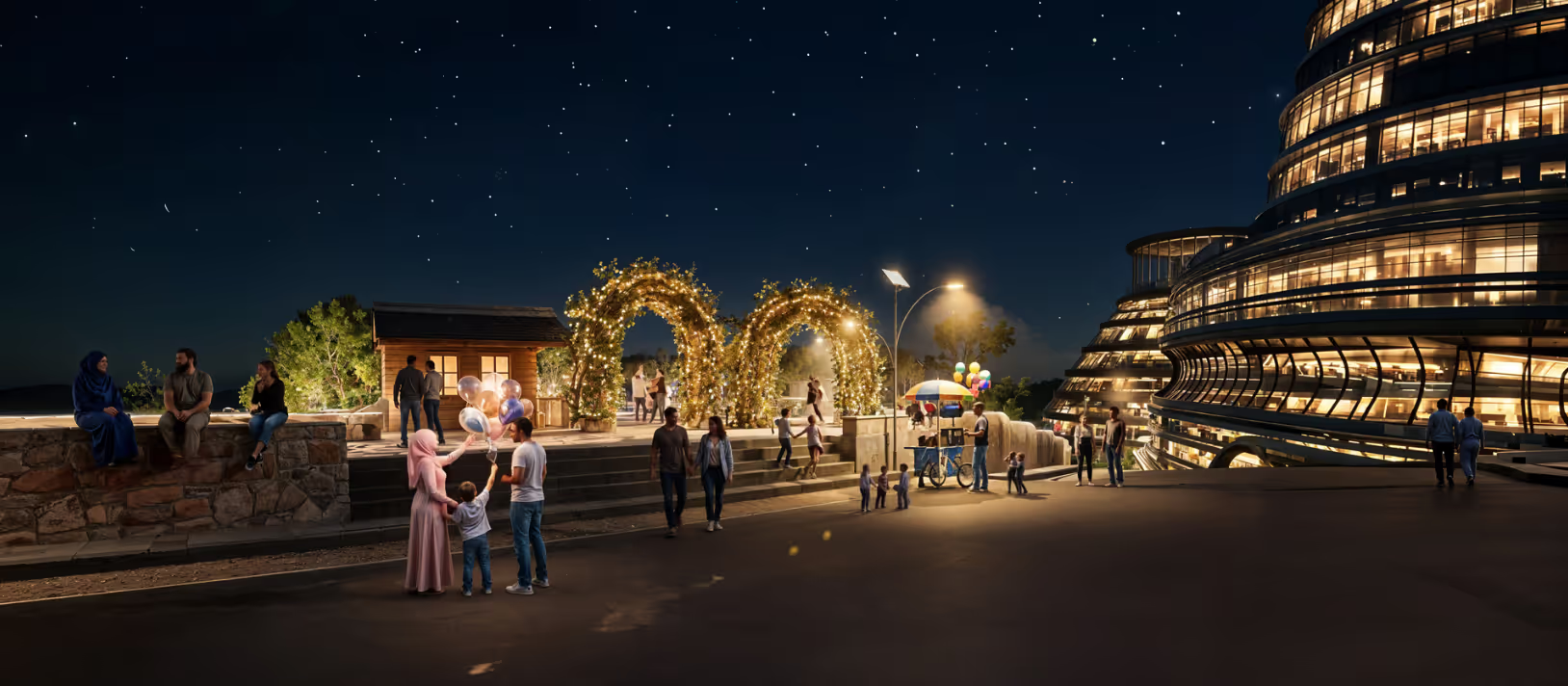
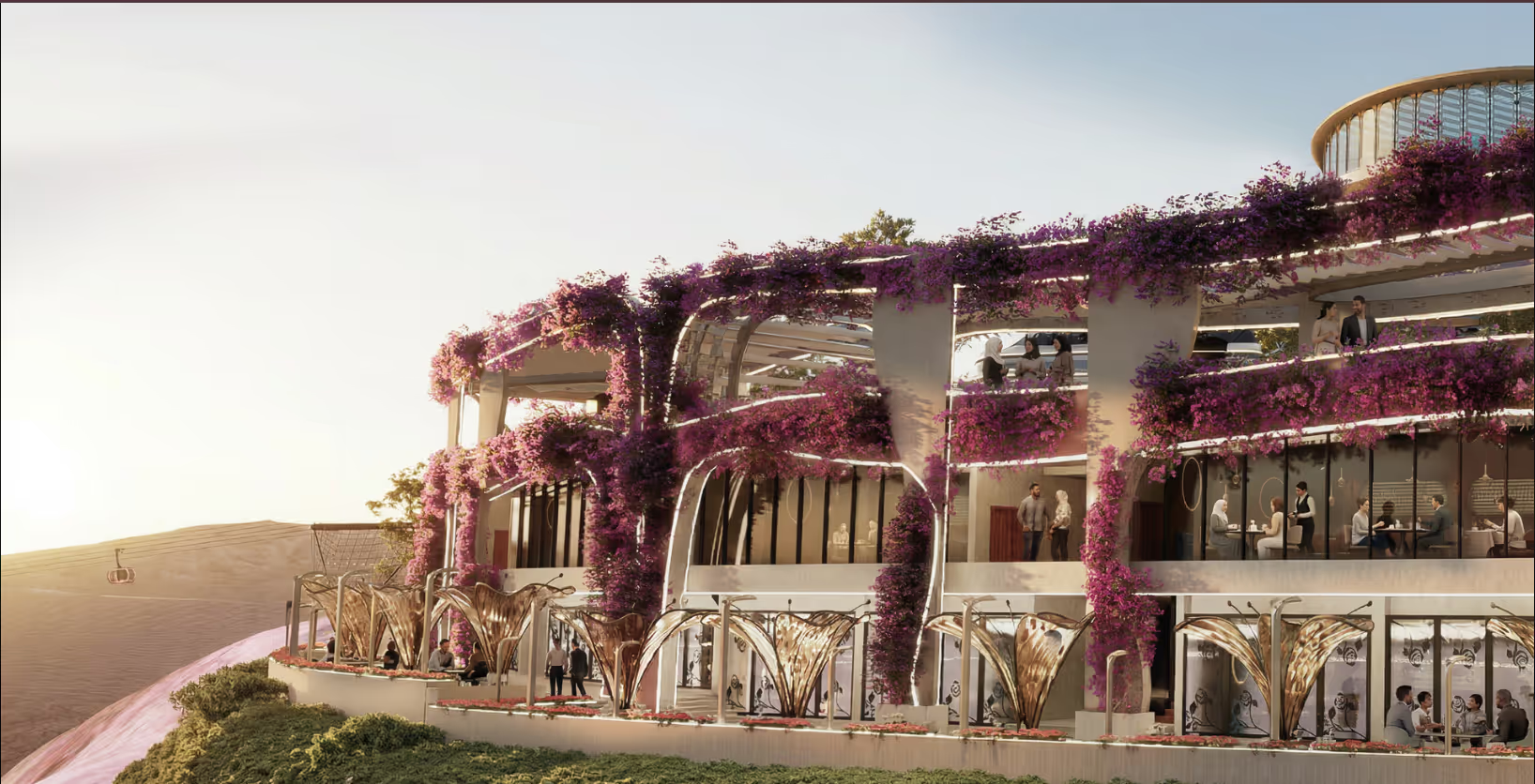
The "Flower Garden" (initially named "Jasmine and Rose Gardens") is one of the most beautiful and important environmental and aesthetic landmarks within the recently announced "Qasioun Journey" project. This garden aims to restore the green lung to the capital, Damascus, and serves as a major attraction for families and tourists seeking tranquility and nature.
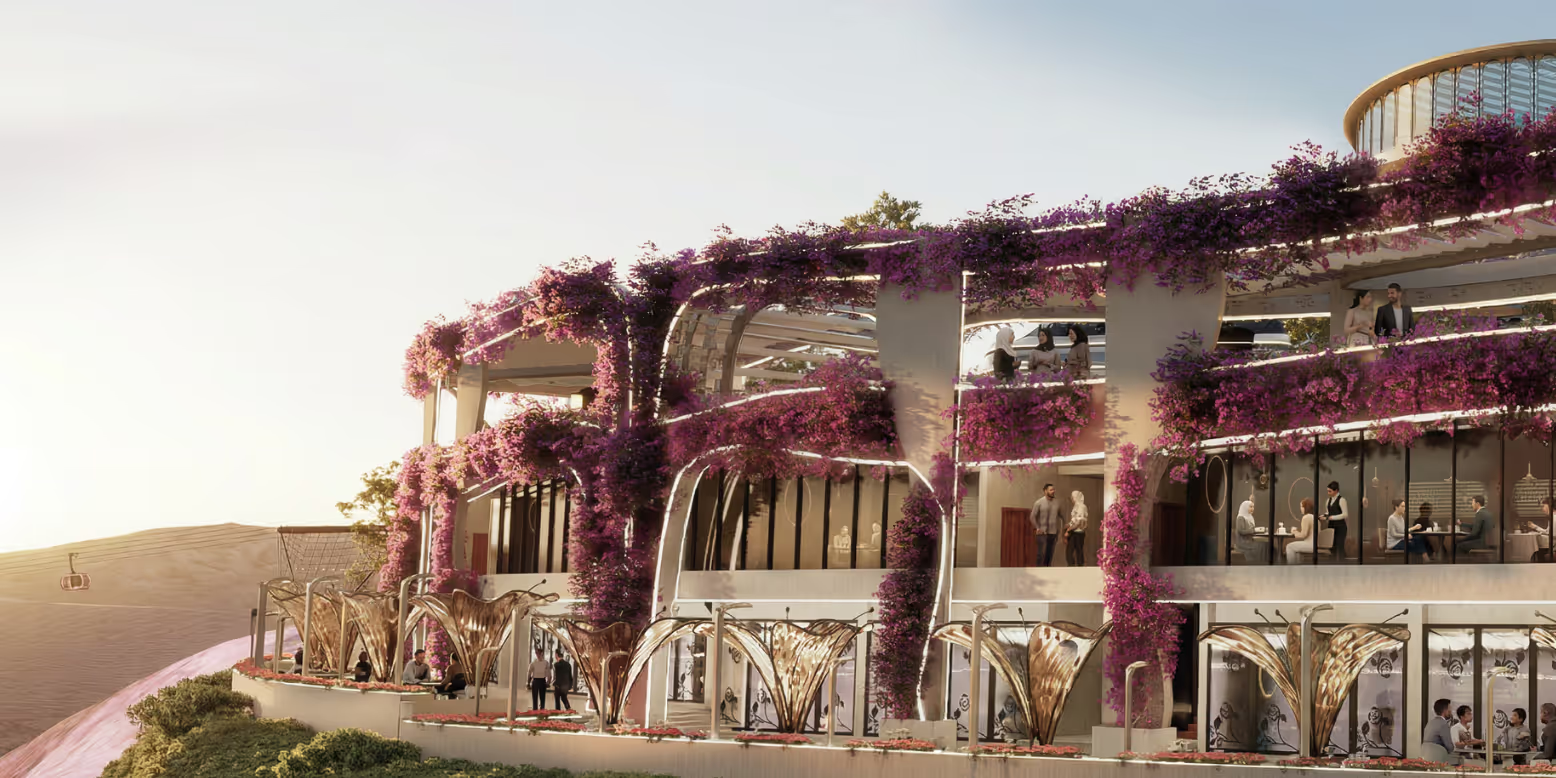
The Damascus cable car is the main artery and beating heart of the Qasioun Journey project. It is not just a means of transportation, but an integrated visual and tourist experience that aims to connect the heart of the capital, Damascus, with the summit of its historic mountain.
The cable car route was designed to be a gradual journey revealing the charm of Damascus, and consists of three main stations.
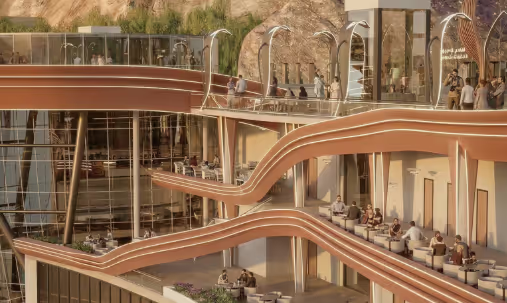
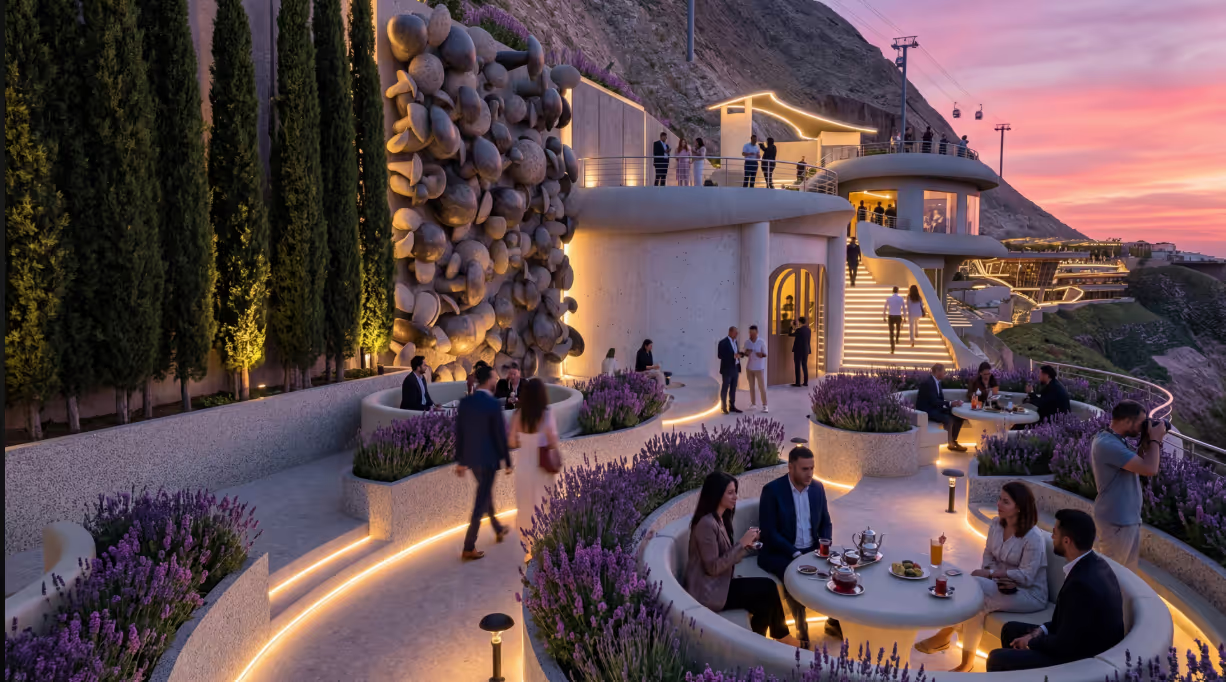
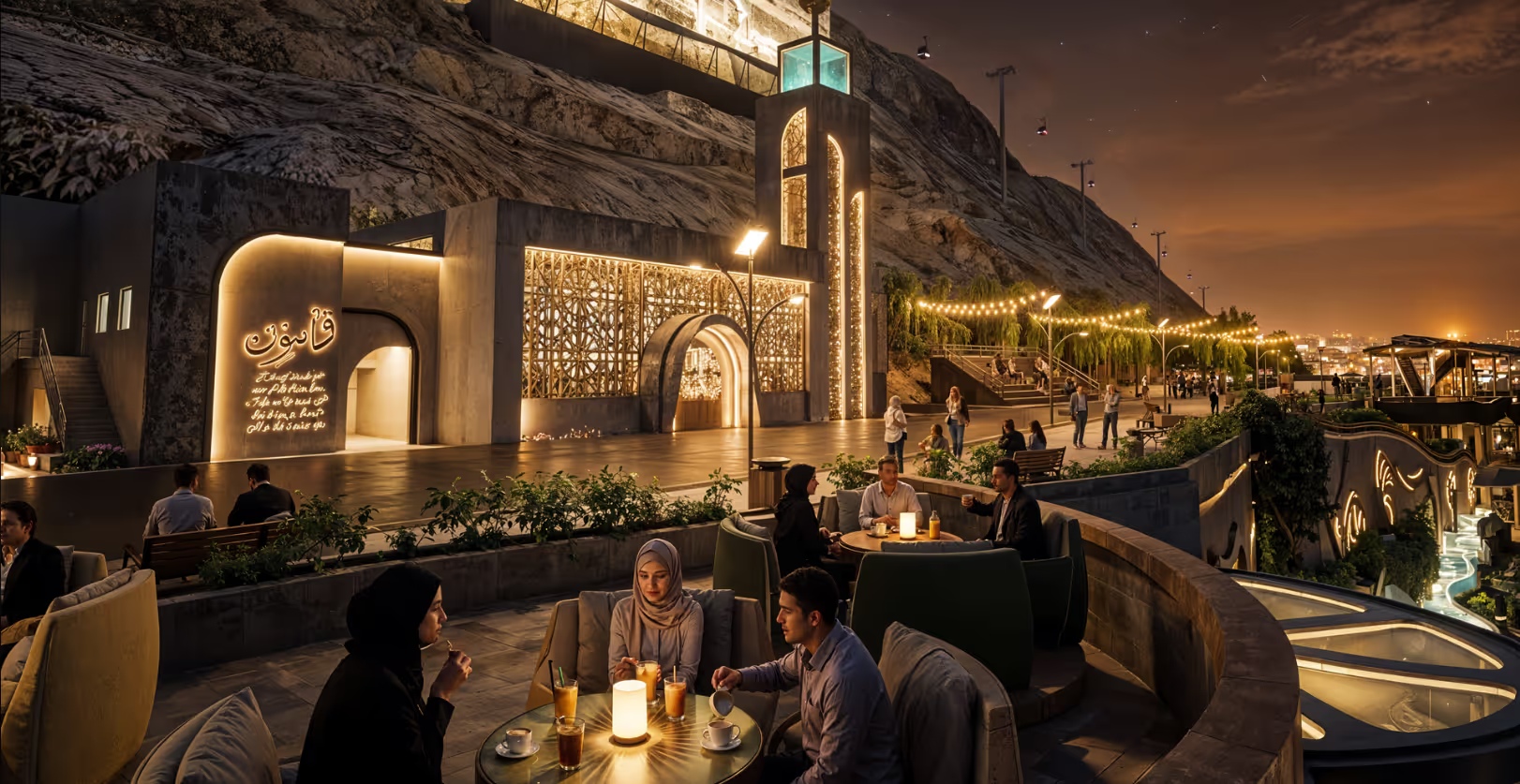
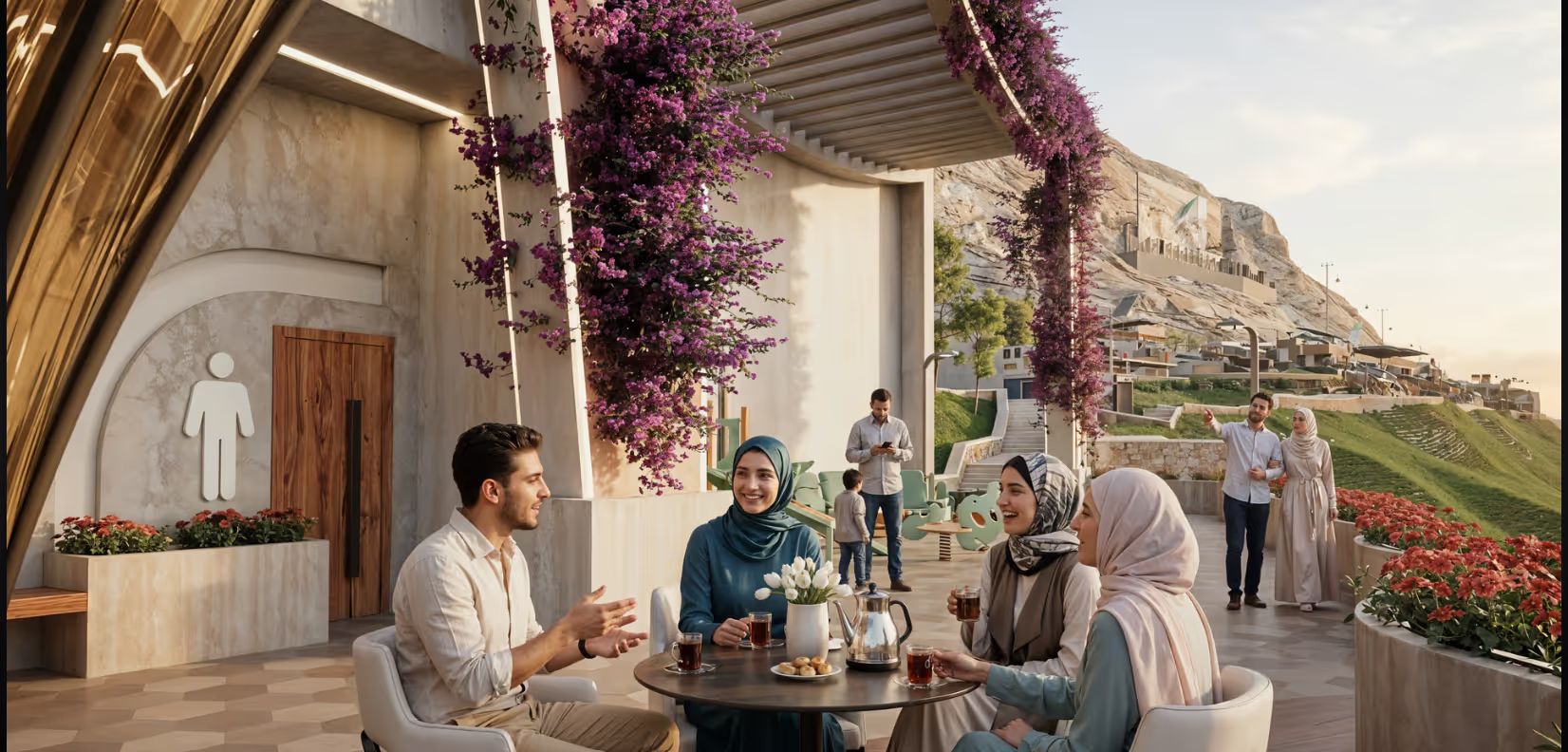
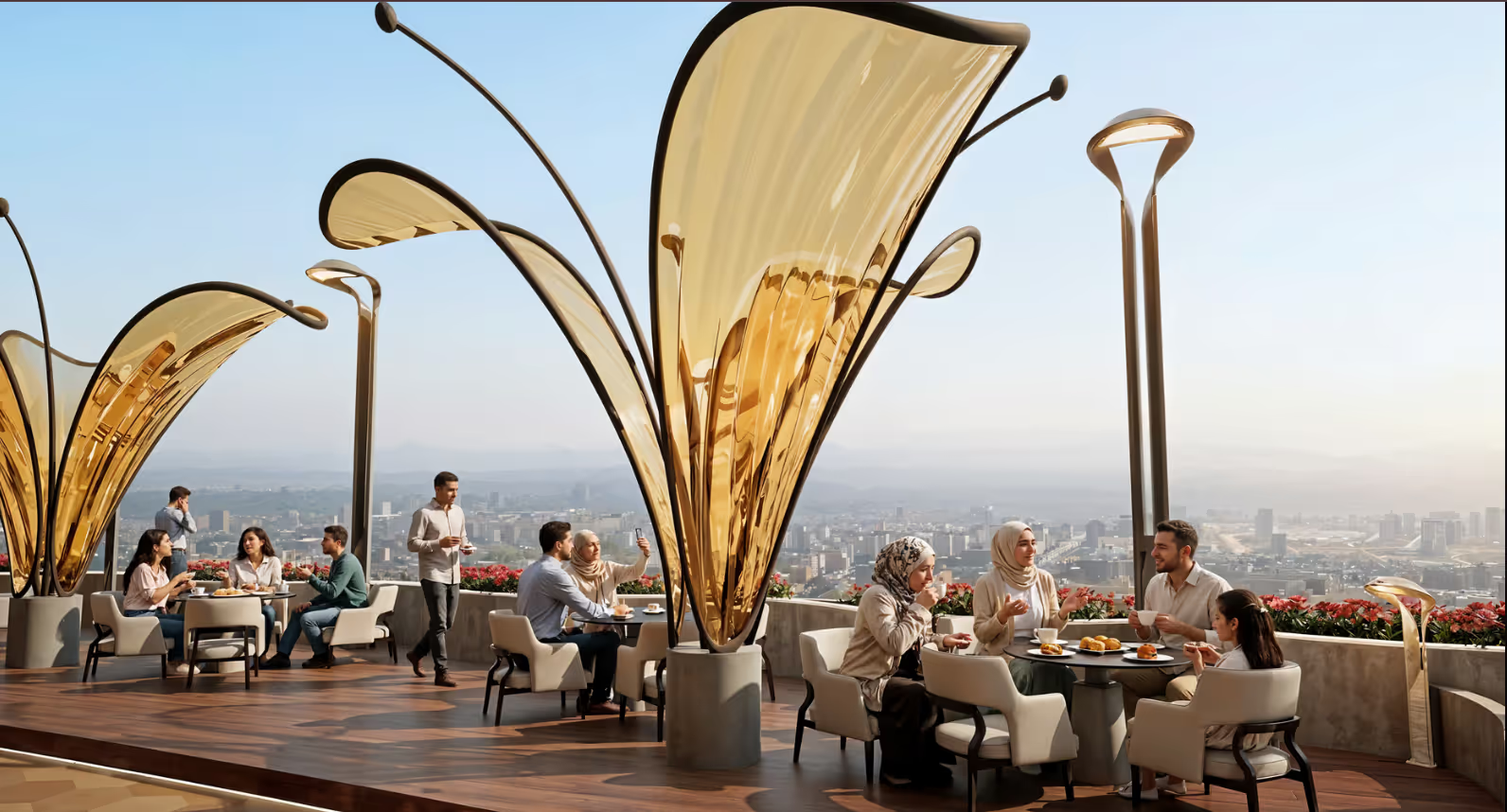
The terraces were not designed merely as places to sit, but rather as a revival of the relationship between man and the mountain through the use of natural stone materials within an organized and modern environment with panoramic views of Damascus.
"The Kingdom of Bees" is not just a building, but an architectural embodiment of collective activity inspired by hexagonal beehives, with paths that guide the visitor in a dynamic flow resembling the movement of bees. The design also provides suitable spaces for young people and groups through corners and seating areas that promote closeness, and produces an interactive visual experience that makes the visitor feel that he is inside a "living art hive".
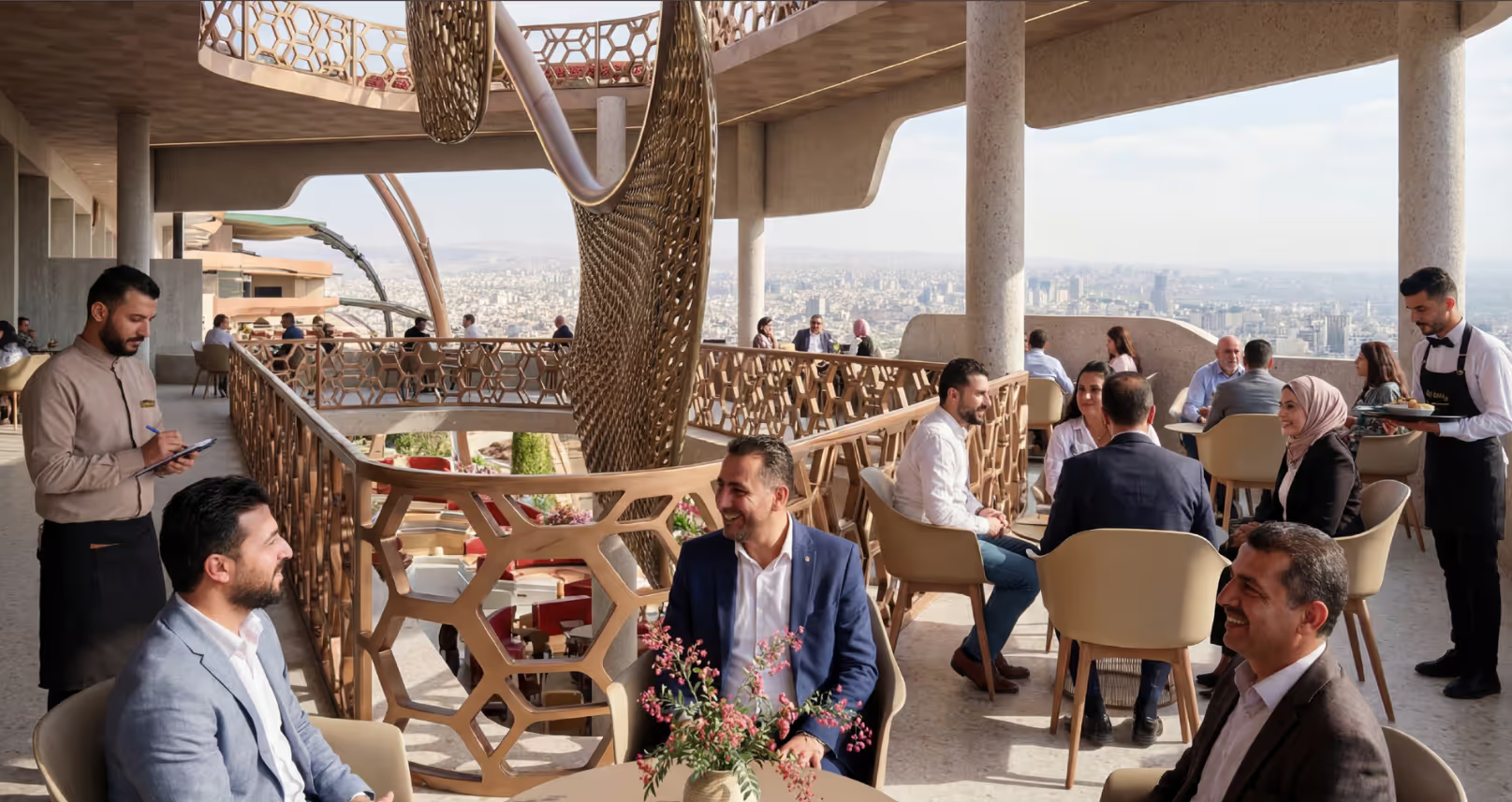
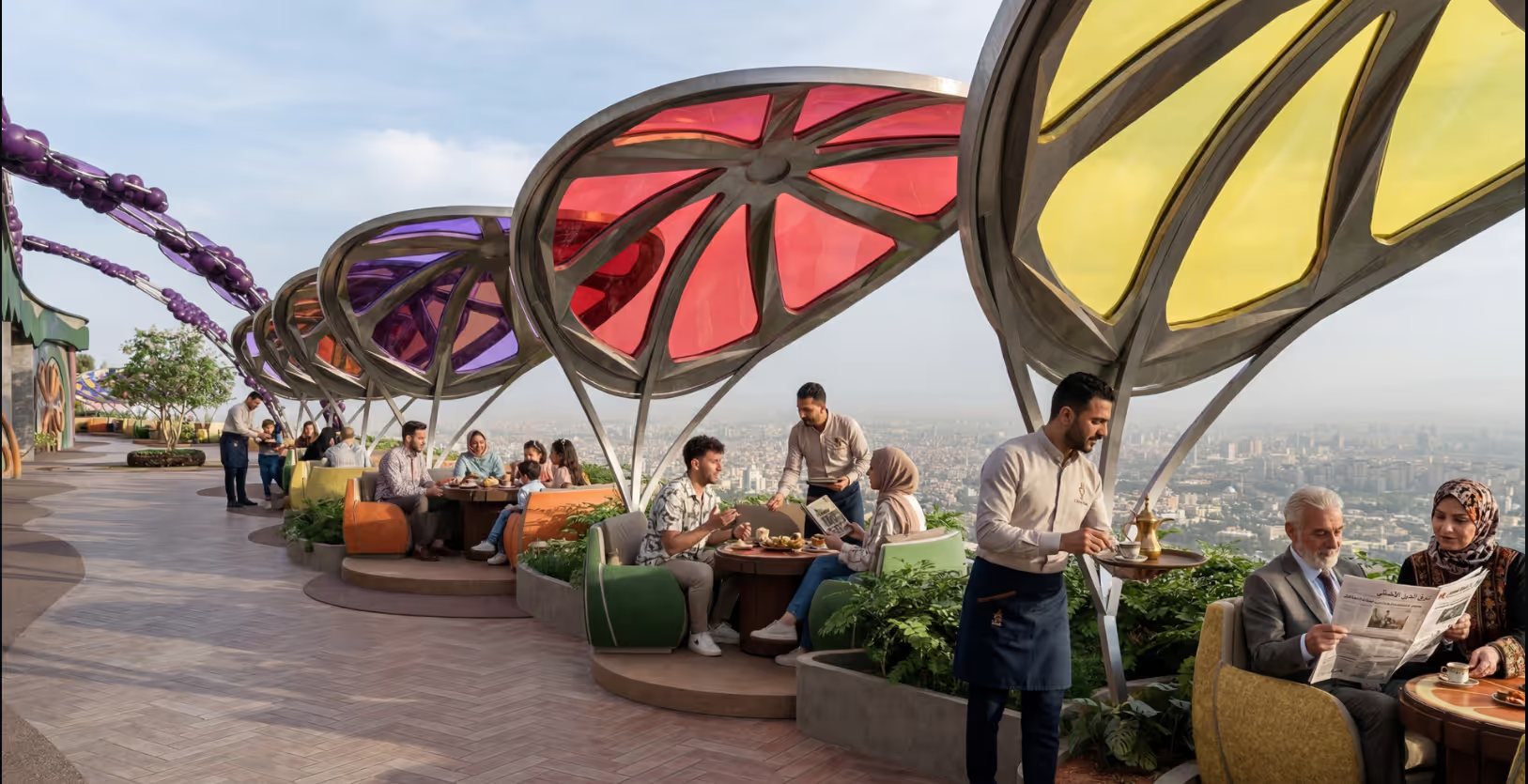
Nature's Fruit Block draws its philosophy from nature's bounty and the diversity of its fruits. It is the heart of the entertainment project and a meeting place for generations, encompassing gaming, dining, and events that provide a complete family experience combining food and fun, thus strengthening social bonds in a safe and vibrant environment with carefully planned spaces to suit all family members.
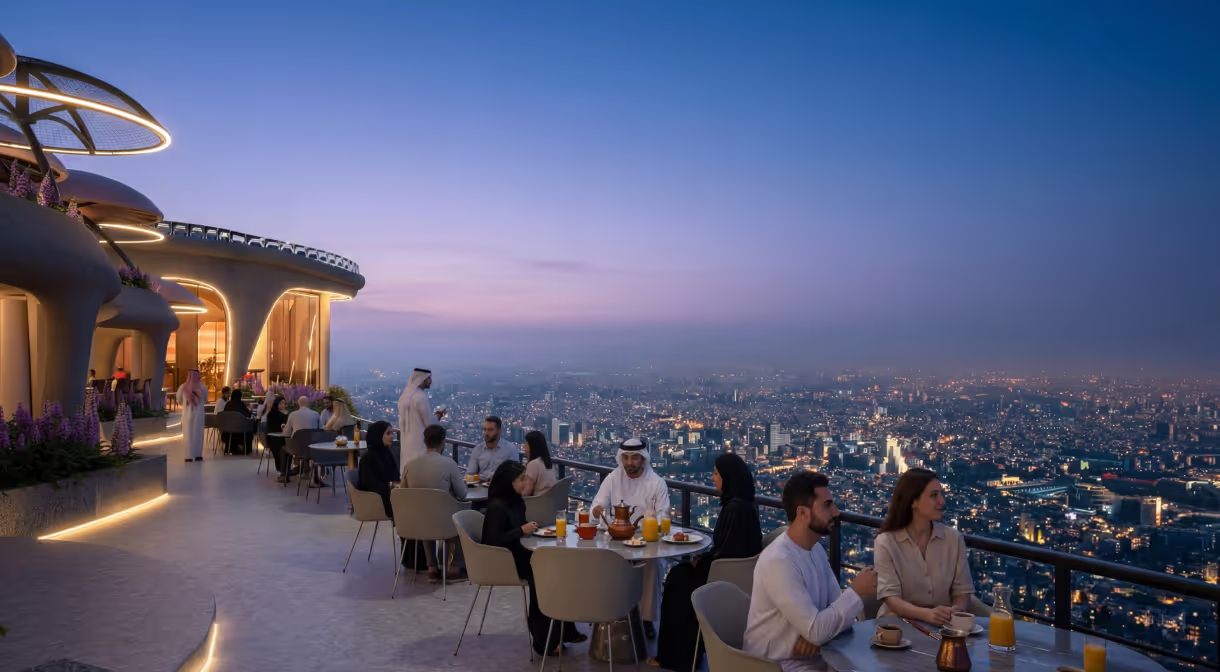
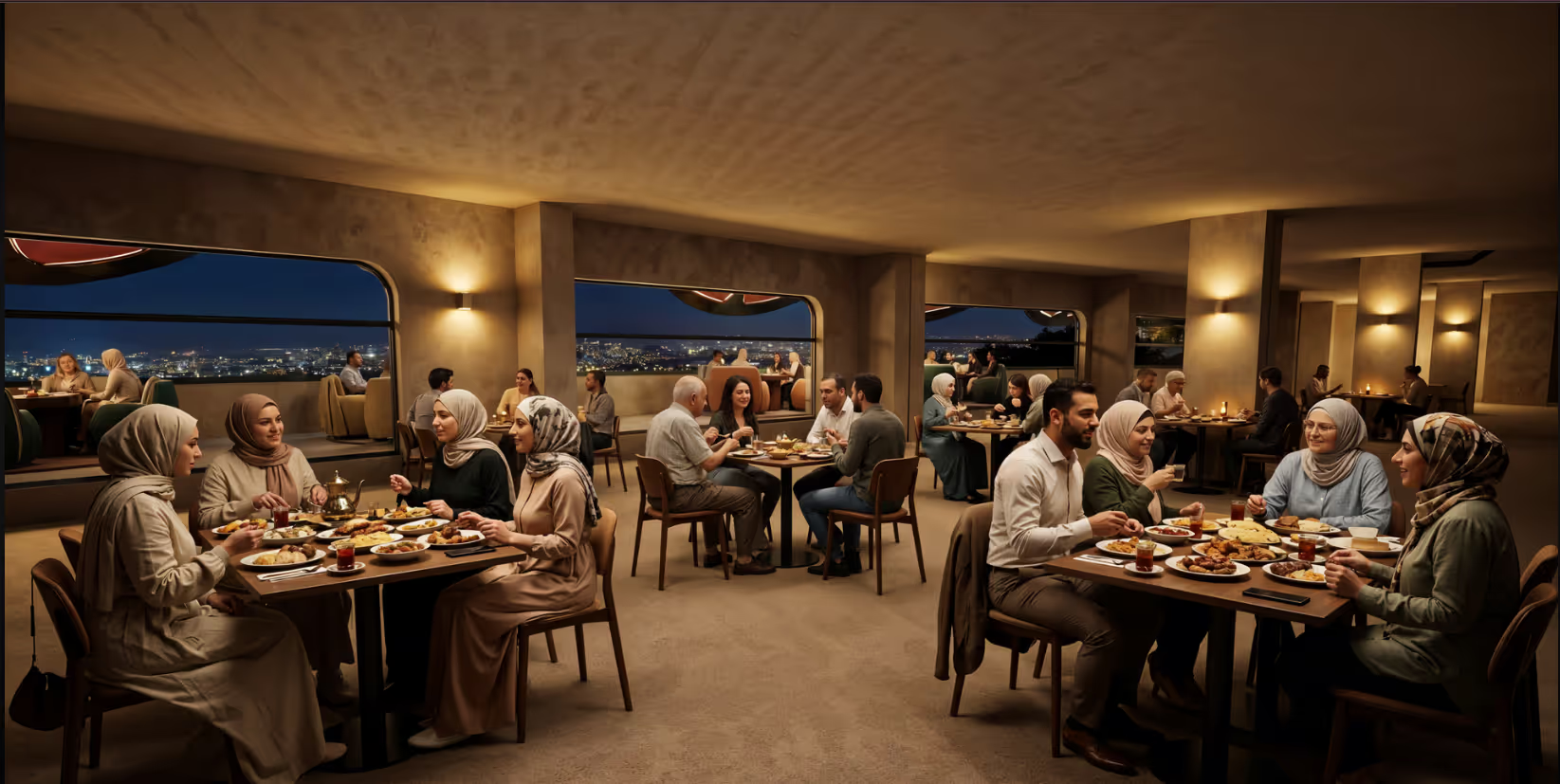
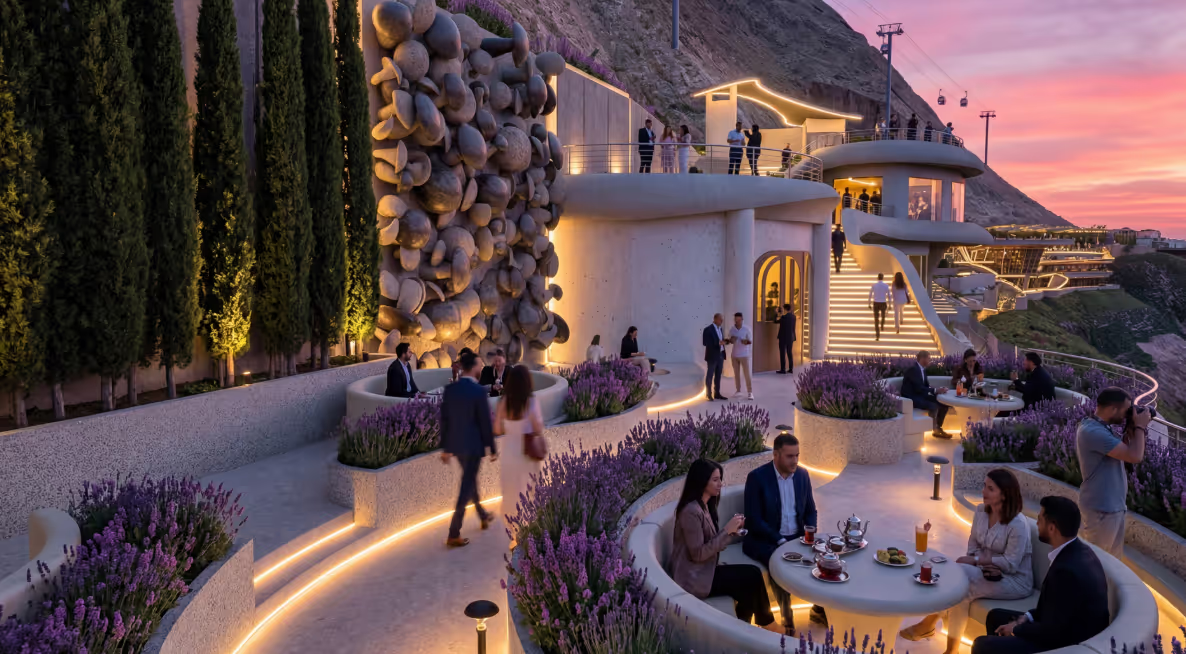
The design of Mushroom World is inspired by the elements that grow in the shade of the natural mountain environment, blending seamlessly with the rocky terrain of Mount Qasioun. Outdoor seating areas and glass facades offer panoramic views, providing visitors with a sense of comfort and privacy while mitigating the noise of the city. The forest-like ambiance is ideal for formal meetings, special occasions, and gatherings that require elegance and tranquility.
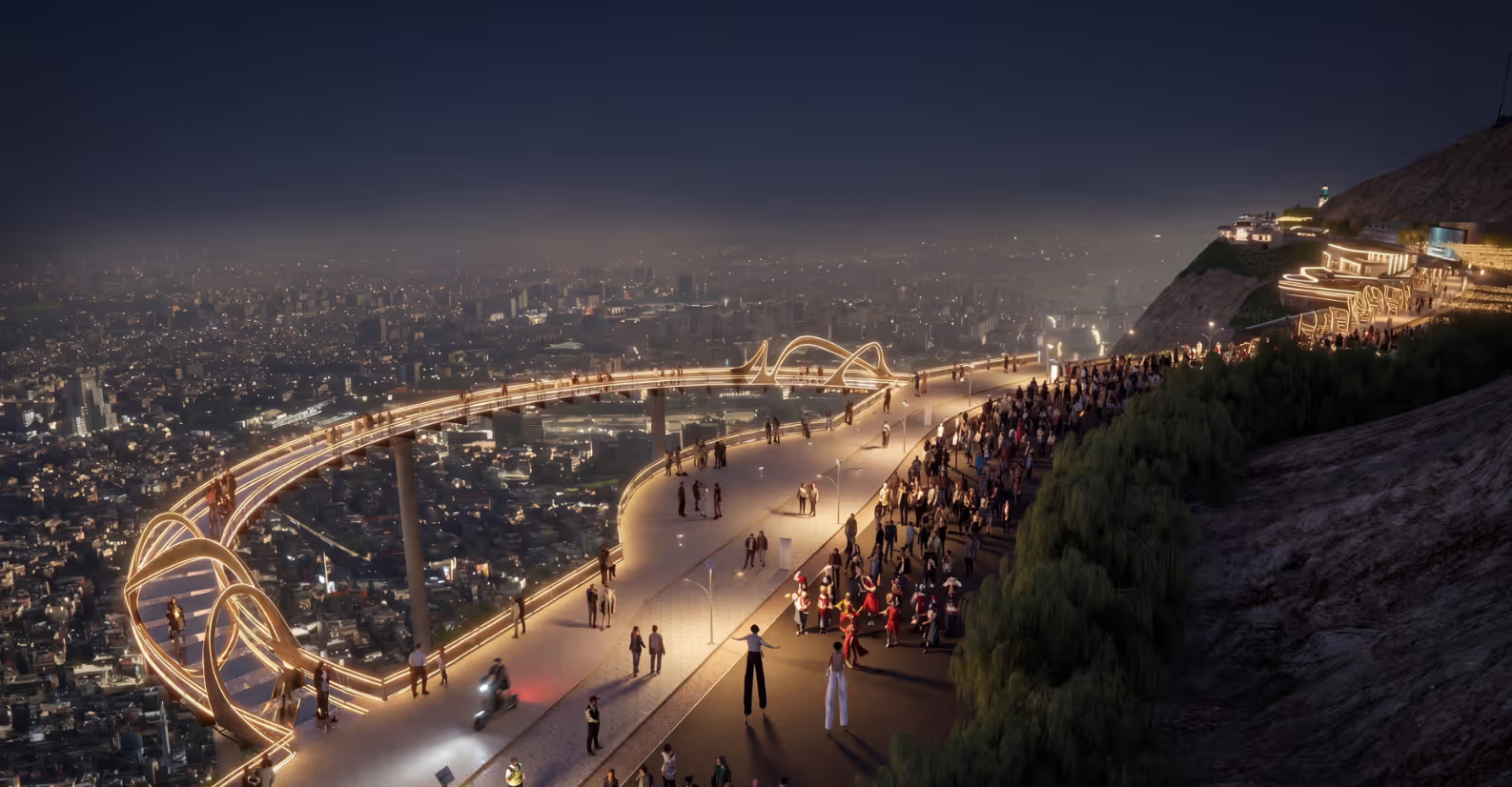
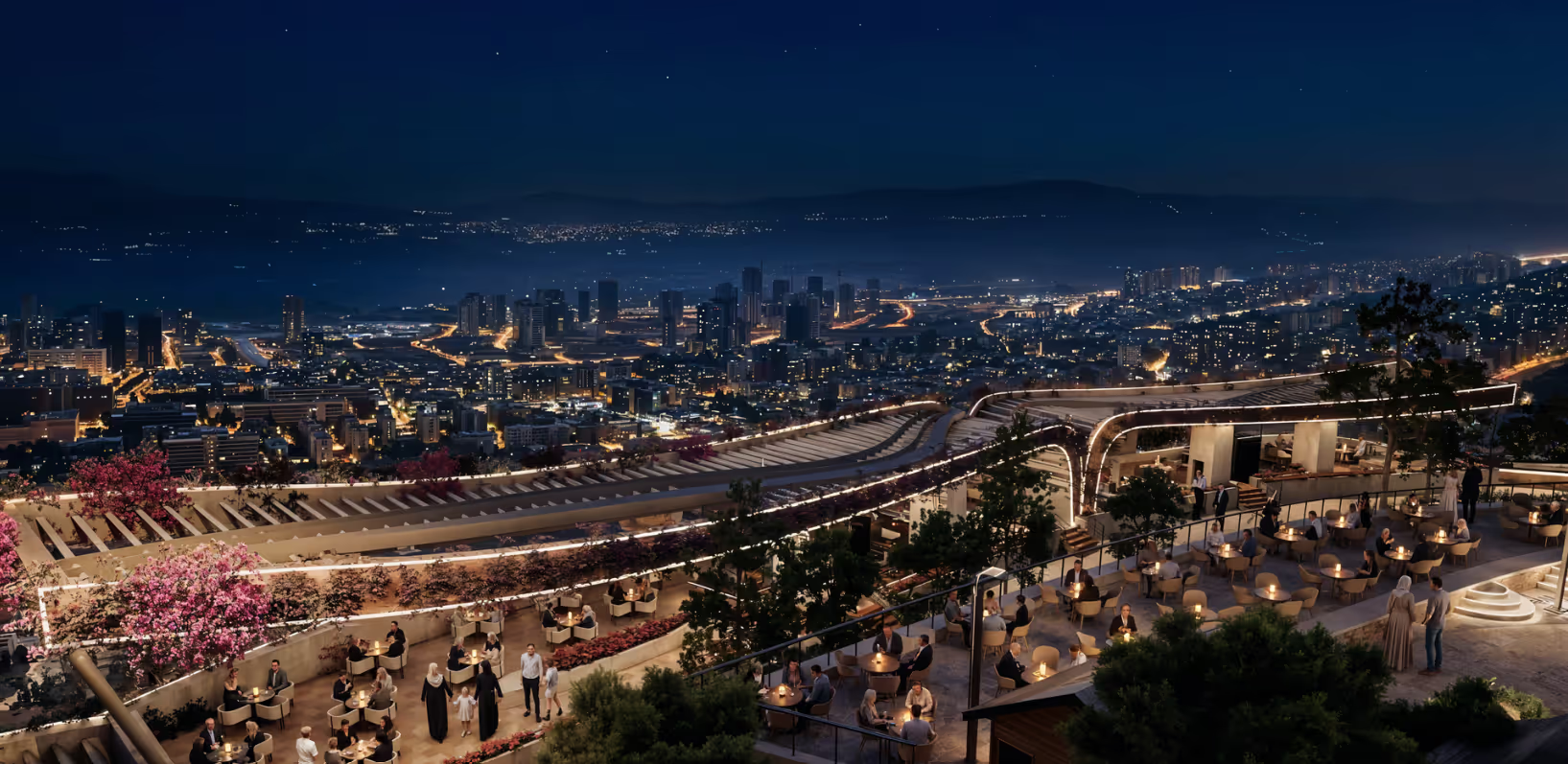
The design evokes the relationship between Mount Qasioun and the sky, offering visitors an unconventional experience that makes them feel as if they are soaring above Damascus. The spaces and walkways have been laid out in a way that creates a sense of spaciousness and offers breathtaking panoramic views.

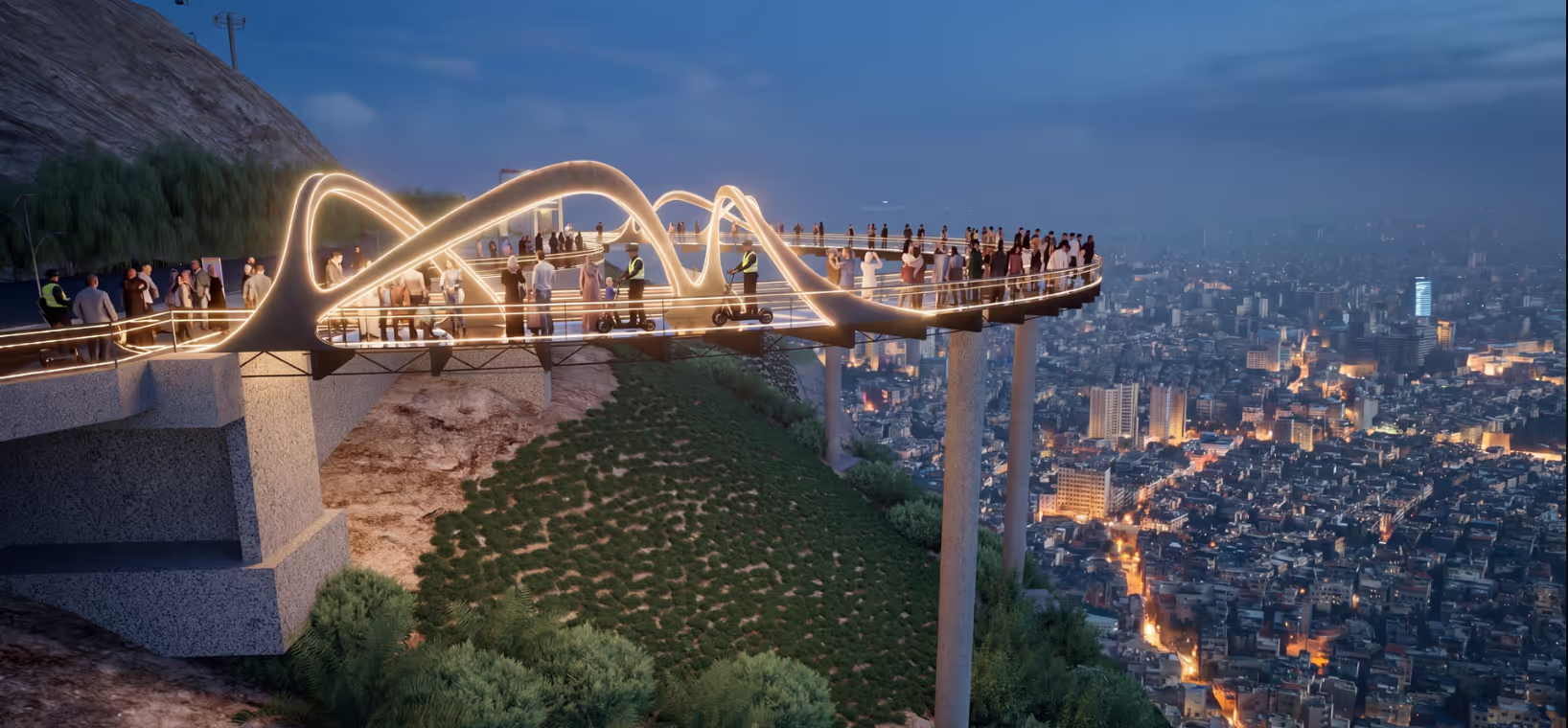
The Bridge of Memories is the most daring architectural feature of the Qasioun journey. Extending from the winged massif of Qasioun Mountain with a glass floor, it embraces the sky, offering visitors the opportunity to capture unforgettable moments with a selfie against the backdrop of the city lights. The bridge symbolizes the final stage of the journey, a journey that combines observation, documentation, and sensory interaction with the place.
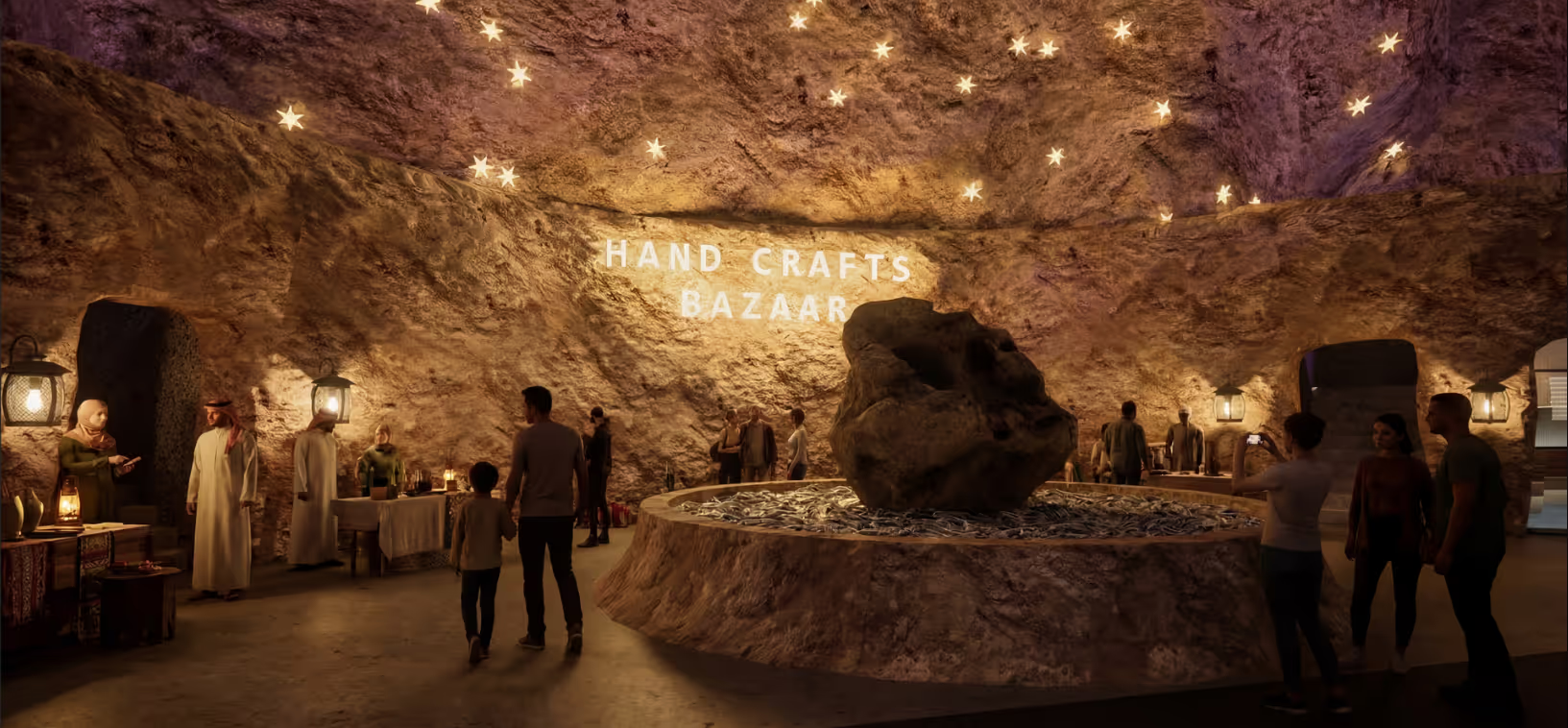
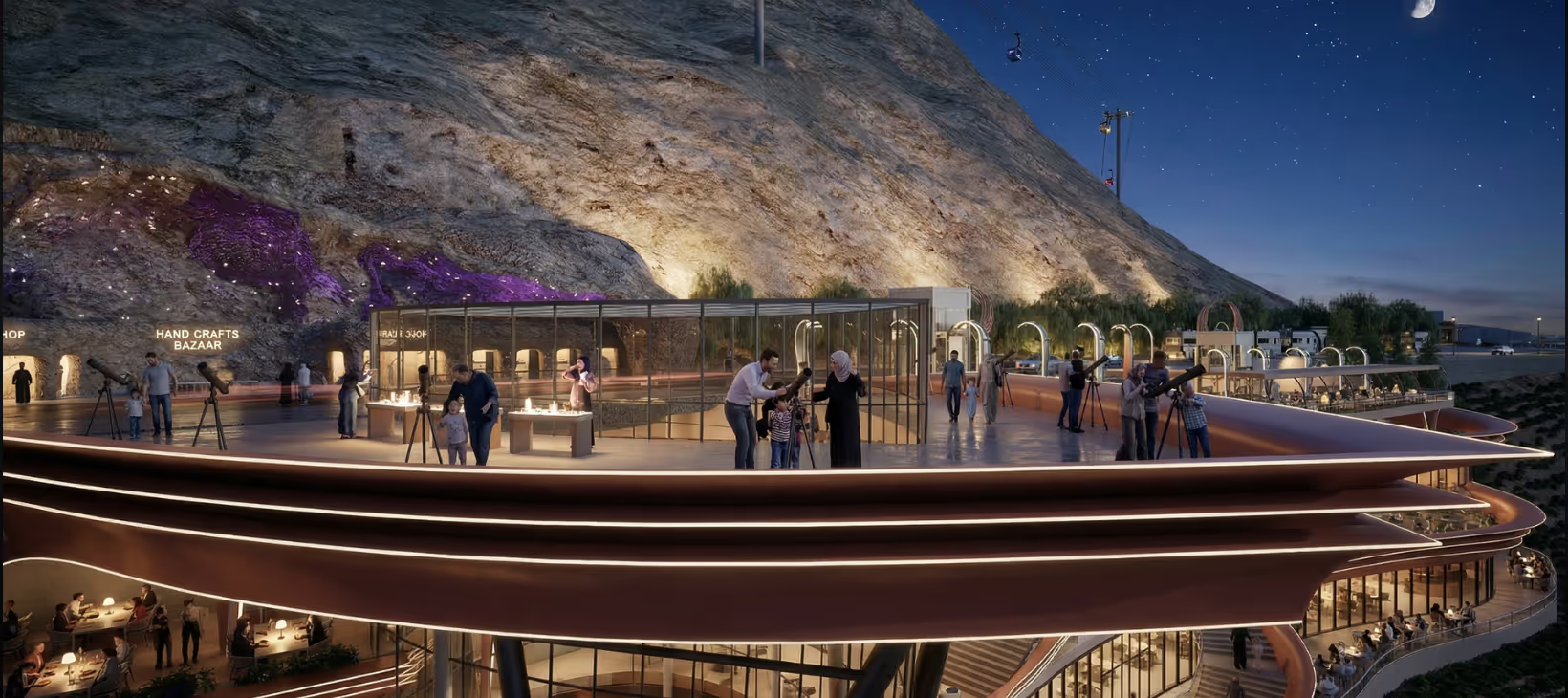
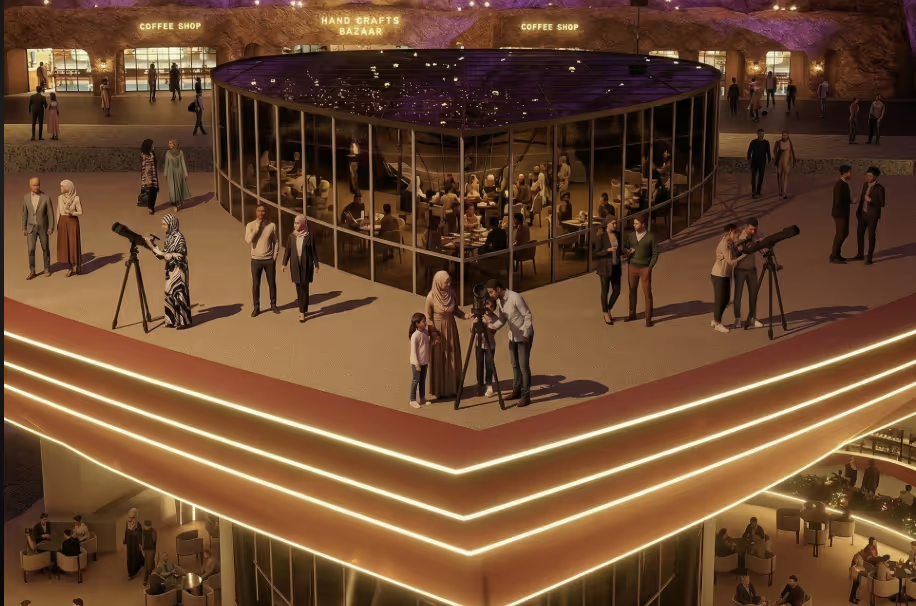
The "Cave of Handicrafts" perfectly embodies the fusion of architecture with the rock of Mount Qasioun, serving as the official repository of Syria's rich heritage. Its design suggests it springs from the heart of the mountain, with stone facades that mimic its natural contours. Here, visitors not only acquire a work of art but also carry a piece of history within a space imbued with the authenticity and beauty deeply rooted in Syrian identity.
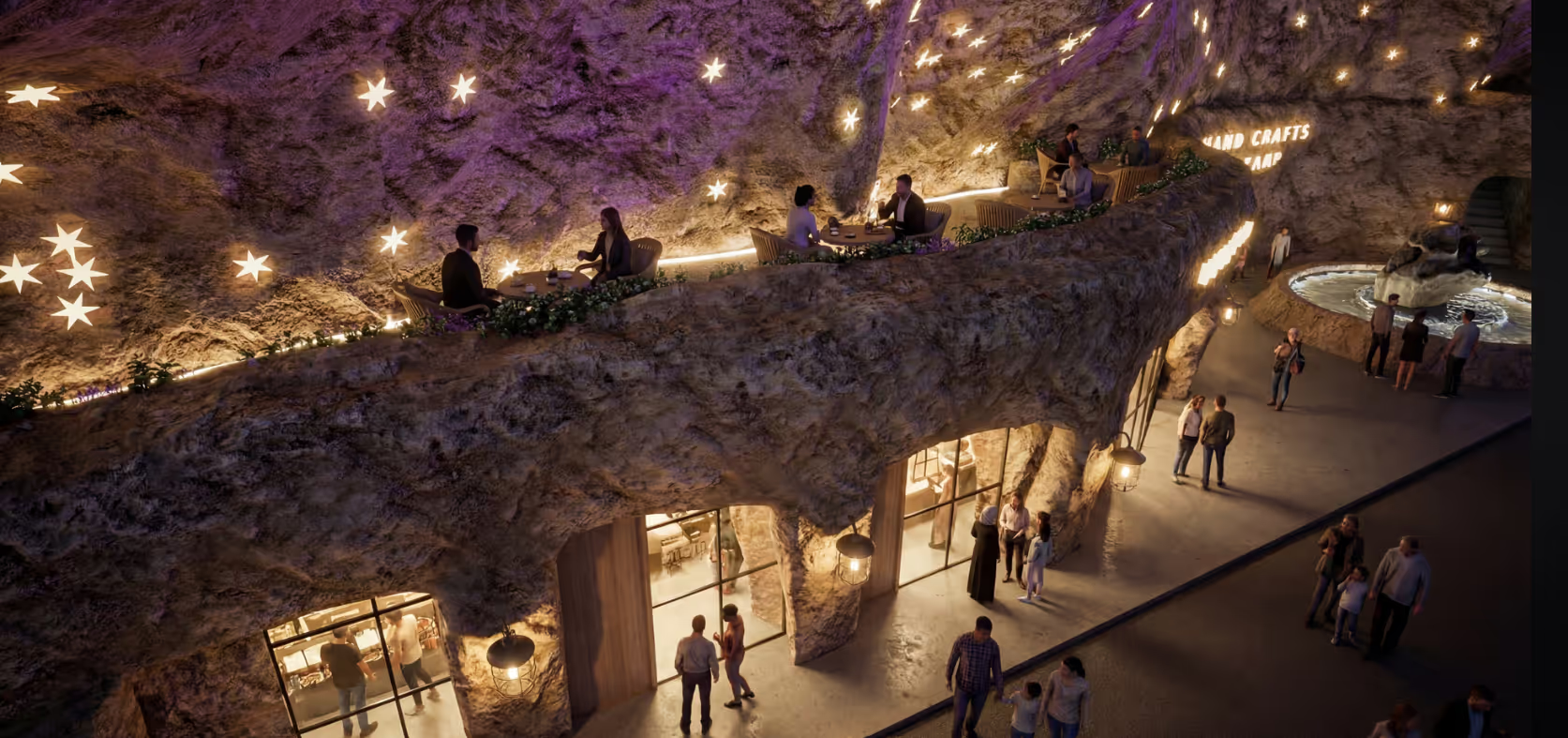
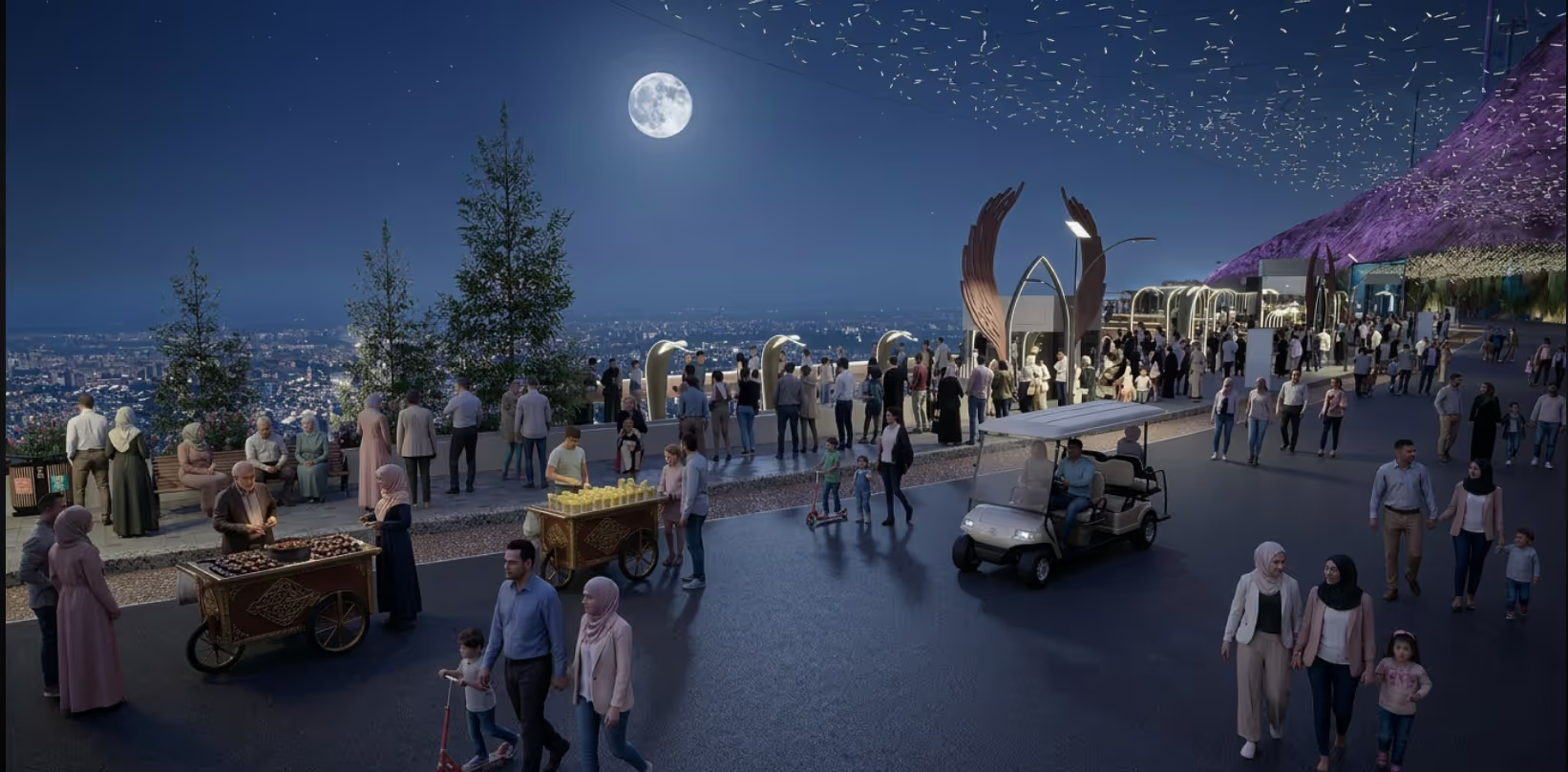
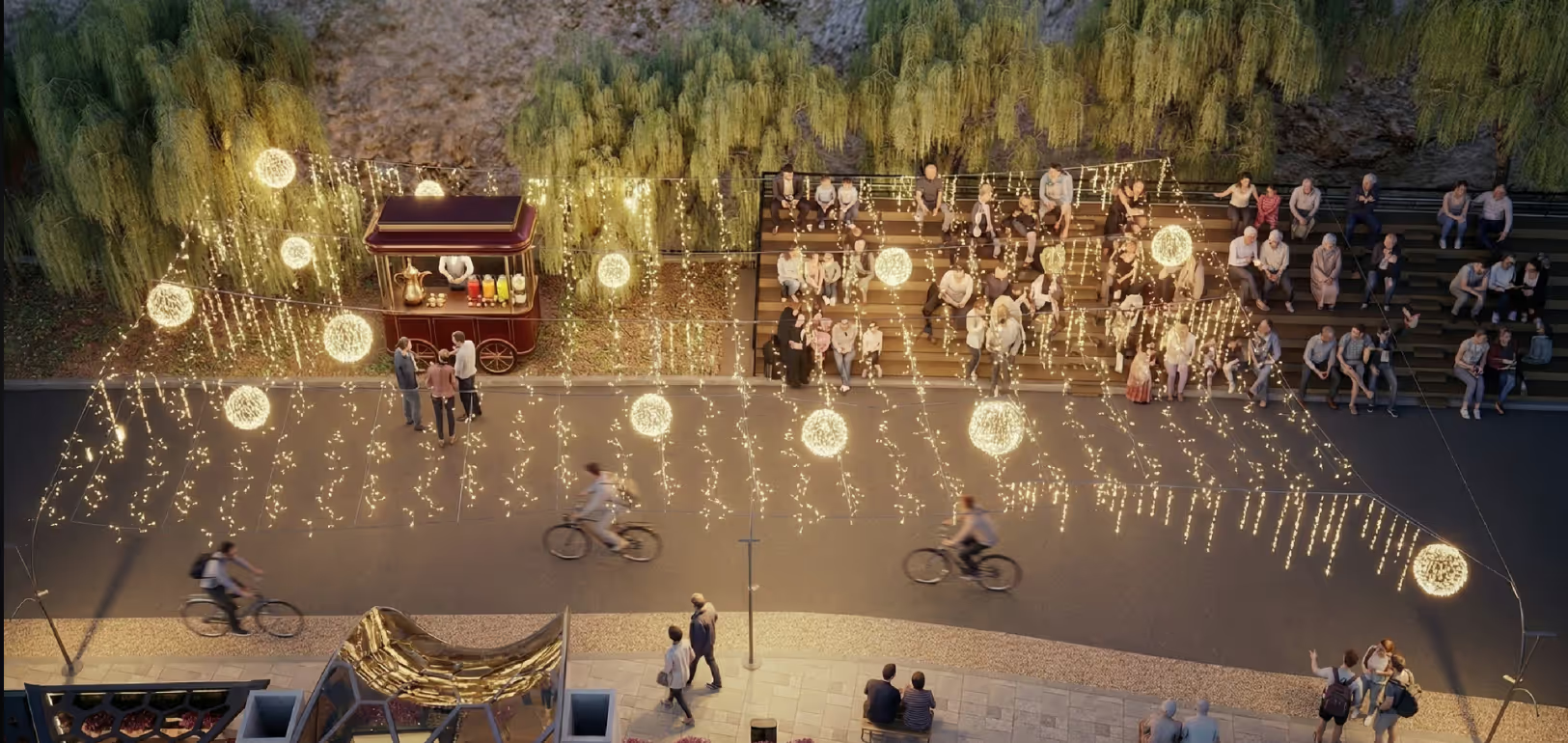
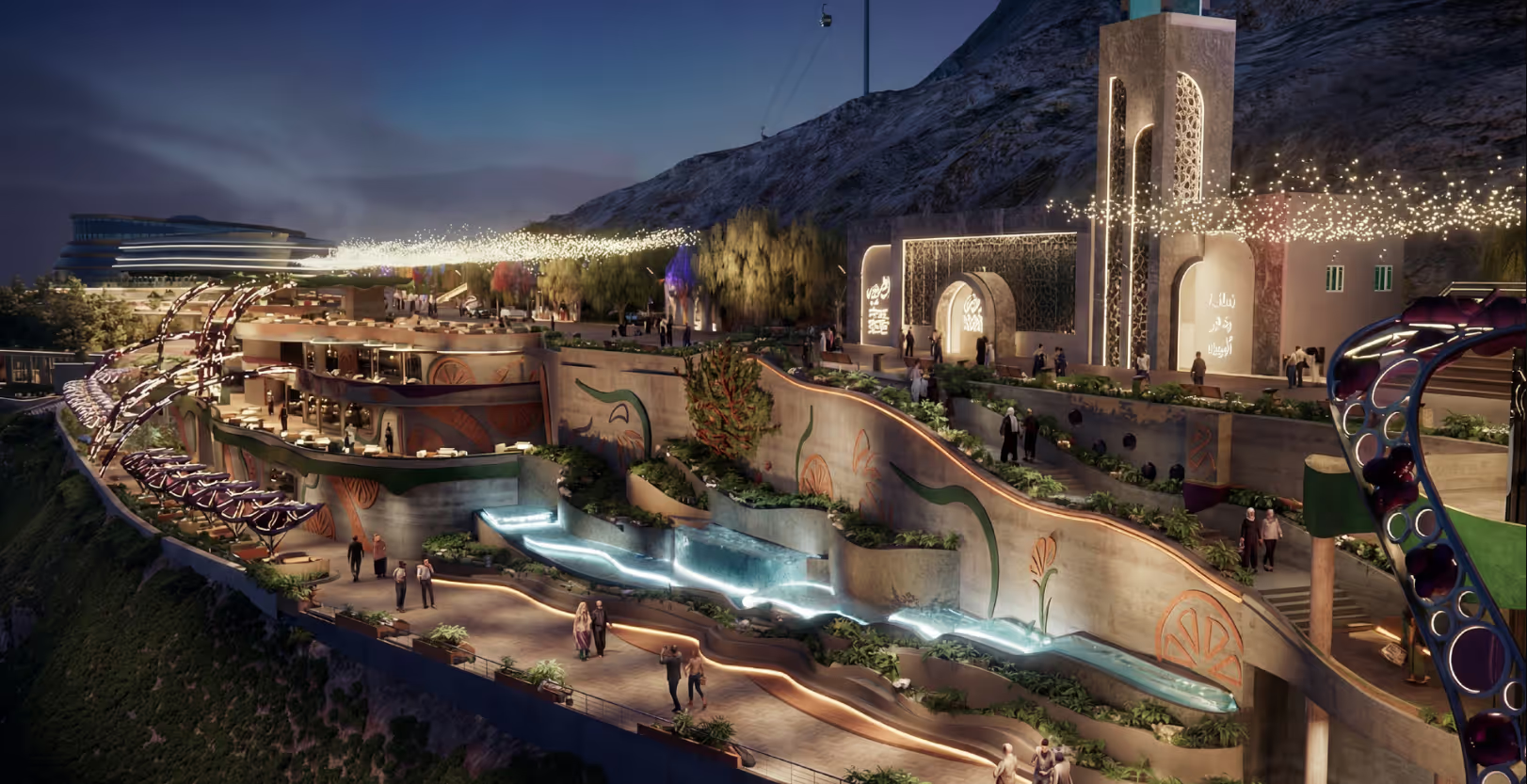
In the heart of the mountain, where art meets nature, the Celebration Square emerges as a vibrant space in harmony with the rhythm. During the day, it resembles an open-air plaza, granting visitors a sense of freedom at the city's highest point. In the evening, thanks to its dynamic amphitheater, it transforms into a festive venue, becoming the mountain's heart filled with sound and light. It is a platform that redefines the relationship between place, event, and audience.
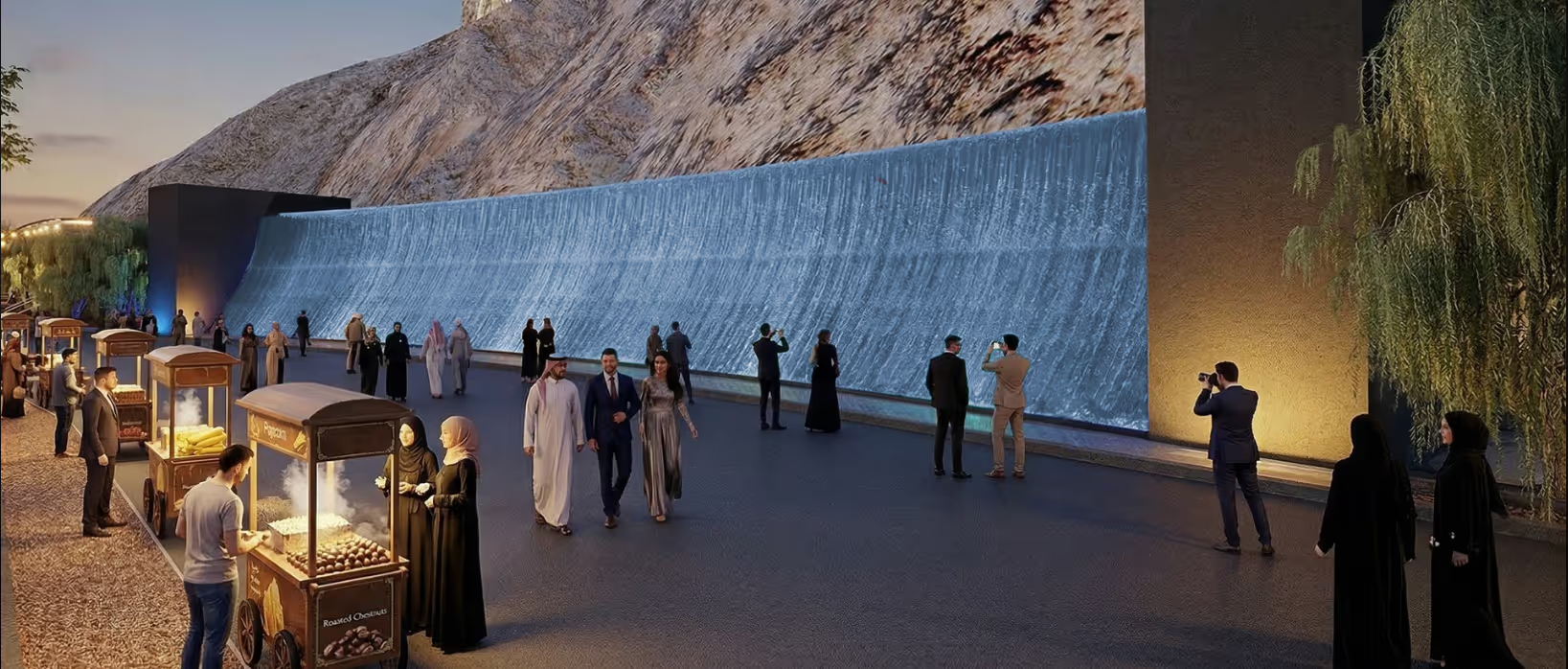
It's a vibrant hub where art and life intertwine. The space is full of movement and interaction, where walking becomes a complete visual experience. At night, lighting artistically reshapes the pathways, creating a lively atmosphere. Panoramic seating areas offer moments of relaxation overlooking the city, while photo booths capture moments with the mountain as a backdrop. Here, visitors share their experience digitally, expanding the hub both socially and visually.

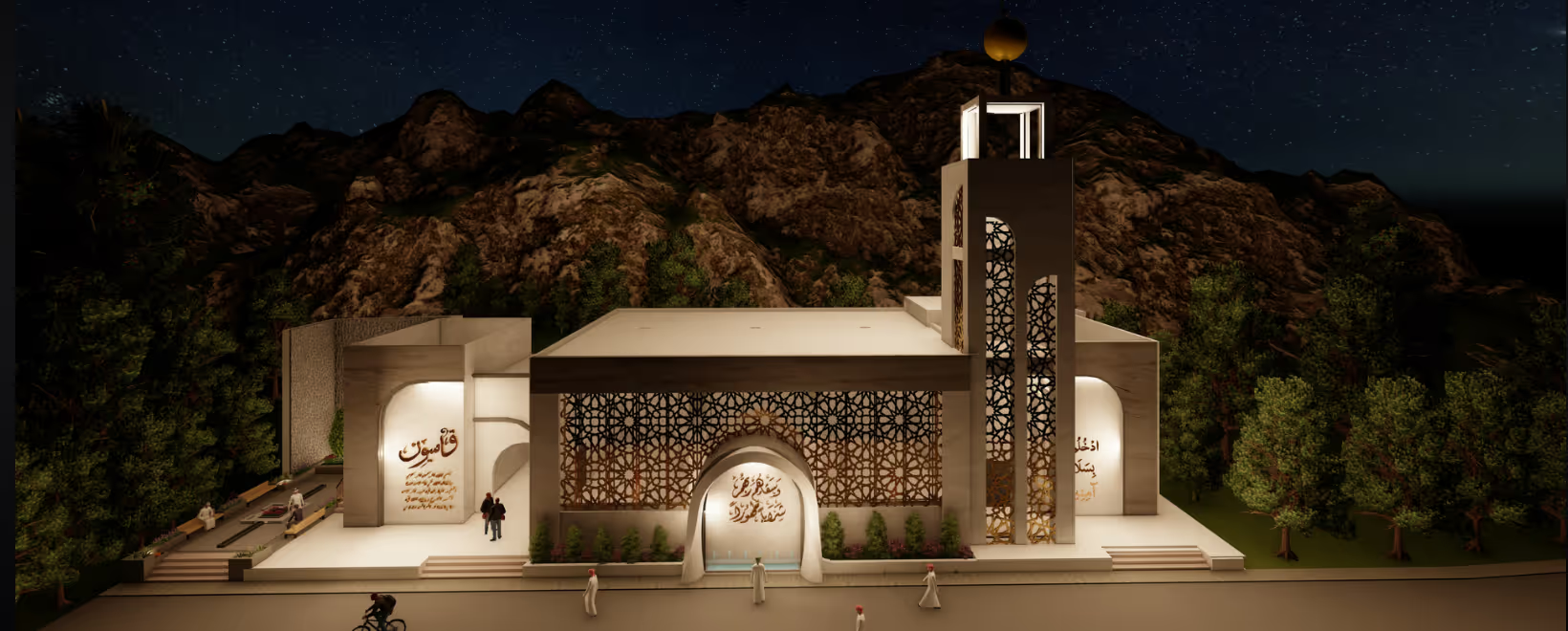
The Qasioun Mosque represents an oasis of tranquility, with a simple yet elegant design that prioritizes comfort and peace. Spanning 660 square meters across two floors, it offers a comfortable and seamless worship experience. The mosque features separate sections for men and women, each with its own entrance, enhancing privacy. It can accommodate approximately 450 worshippers, allowing for easy movement within the mosque even during peak times, creating an experience that blends movement and stillness, transforming the moment into serenity.
The project encompasses a range of components, including:
The governor confirmed that 70 percent of the project is free and open to the public. He denied that any investment opportunities have been granted, with the exception of the parking facilities project, adding that remaining opportunities will be offered through a digital platform based on clear and transparent criteria.
Adlabi announced the creation of more than 7,000 job opportunities, alongside hundreds of small and medium investment prospects within the project. Minister of Tourism Mazen al-Salahani confirmed that the project was executed entirely by Syrian hands, including local engineers and workers. He added that the ministry is collaborating with the governorate to provide commercial spaces at nominal rents and dedicated areas for small creative enterprises, in support of entrepreneurs and recent graduates.
The governor indicated that progress rates are high and that the targeted opening of most project axes is set for the end of summer 2026. The Minister of Tourism announced that similar projects will be launched across other governorates, with Rif Dimashq identified as the next destination. Minister of Culture Mohammad Yassin al-Saleh affirmed that converting Mount Qassioun into an open cultural and tourism space reflects a new approach to repurposing natural and historical sites for the benefit of Syrian society.
.svg)
.svg)


.png)
.svg)



.jpg)