Escrow Account for Every Syrian Property Development
24.11.2026

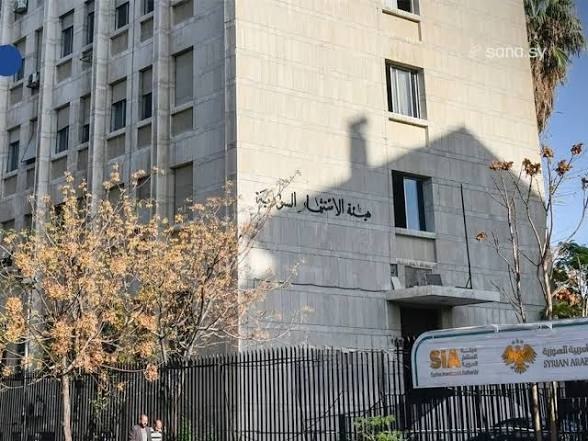
The Syrian Investment Authority has recently issued a new regulatory framework setting out how real estate development companies are established, and how projects are financed and executed. It also regulates advertising and off-plan sales, and comes alongside procedural facilitation and financial and customs exemptions for investors.
Company Formation Options
The framework allows investors to set up projects through several legal forms:
- Joint-stock companies
- Limited liability companies
- Single-person companies
- Special purpose vehicles (SPVs), created to deliver a specific project and separate its financial liability and risks from other projects
Specialised foreign companies may also operate in the Syrian market through licensed branches, provided they have at least five years of experience in their country of origin and meet the Authority's requirements.
Procedural Facilitation
Investors are not required to resubmit documents and studies that were previously submitted and approved, unless they have expired or changed materially. The measure aims to reduce repeated administrative procedures and shorten the time and cost of moving from licensing to execution.
Escrow Accounts and Off-Plan Sales
The framework provides for a separate financial account and an escrow account for each project, preventing funds from different projects from being mixed and tying their use to the project for which they were collected. Execution and off-plan sales are subject to periodic follow-up, with reports on work stages and completion rates.
The rules also cover advertising, promotion and the offering of units off plan, which must take place with the Authority's approval and in line with its approved controls.
Customs and Financial Exemptions
Incentives include exemption of the machinery, equipment and devices required for project execution from customs and financial fees, under the terms set out in the framework. Contracts and documents for projects built on public-entity property are also exempt from stamp duty.
Implications for Buyers and Developers
The framework provides controls governing the relationship between developer and buyer on fund management, execution follow-up and unit advertising. Buyers can still verify a project's licences and approvals and the existence of its escrow account, and review the contract, including delivery schedule, technical specifications, delay terms and property registration procedures.
The construction sector is linked to a wide range of activities, including cement, steel, building materials, transport and engineering services, so the measures bear on multiple supply chains.
24.11.2026
Syrian Investment Authority, real estate development, escrow account, off-plan sales, customs exemptions, SPV, property market