Ebla Submarine Cable Between Syria and Cyprus


Ebla Submarine Cable Project: Connecting Syria and Cyprus Through a New Fibre-Optic Network
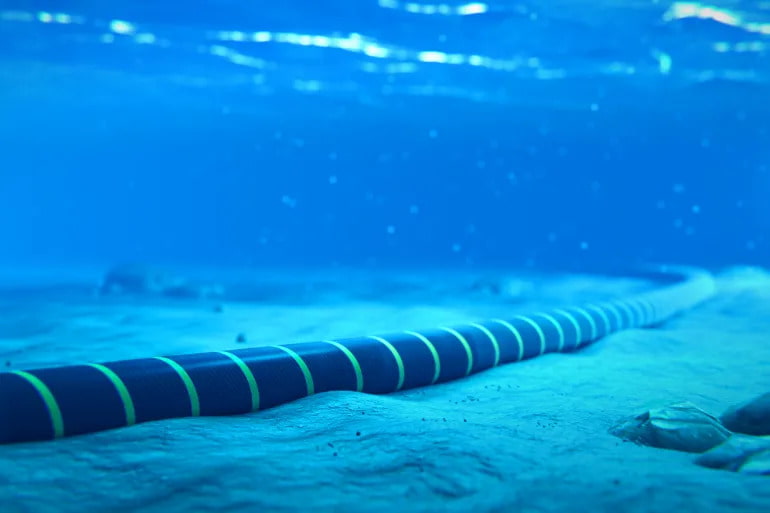
The Ebla Submarine Cable Project is an international telecommunications infrastructure project designed to establish a direct submarine fibre-optic connection between Syria and Cyprus. The cable will connect the coastal city of Tartus in Syria with the Pentaskhinos landing station in Cyprus, providing an additional international data transmission route and expanding Syria's connectivity with European and global telecommunications networks.
The project agreement was signed on 13 September 2026 between the Syrian Telecommunications Company, the Cyprus Telecommunications Authority (Cyta) and the US-based UNIFI Communications, Inc. The agreement moved the project into its implementation phase, with the cable expected to become ready for service in early 2028, subject to the completion of the required implementation stages.
Project Route and Technical Specifications
The Ebla submarine cable is planned to extend approximately 240 kilometres across the Mediterranean Sea, connecting Tartus with the Pentaskhinos landing station in Cyprus.
The submarine cable system will contain 24 fibre-optic pairs, providing the infrastructure required for high-capacity international data transmission.
Its main technical specifications include:
- Cable Name: Ebla Submarine Cable.
- Project Type: International submarine fibre-optic telecommunications infrastructure.
- Starting Point: Tartus, Syria.
- Landing Point: Pentaskhinos, Cyprus.
- Total Cable Length: Approximately 240 kilometres.
- Fibre-Optic Configuration: 24 fibre pairs.
- Initial Transmission Capacity: 31 terabits per second (Tbps).
- Potential Future Capacity: Up to 370 terabits per second (Tbps).
- Expected Service Readiness: Early 2028.
The initial capacity of 31 Tbps is the planned transmission capacity when the system begins operation. The future capacity of up to 370 Tbps represents its potential expansion capability rather than its initial operating capacity.
International Connectivity and Data Transmission
The Ebla Submarine Cable is designed to provide a direct connection between Syria and Cyprus, with onward connectivity to European and international telecommunications networks through Cyta's network infrastructure.
The system will introduce an additional international route for transmitting data, expanding the available capacity and providing another connection between Syria and international telecommunications networks.
The project is also intended to support the growing requirements of internet services, mobile telecommunications networks, cloud services and other digital applications that depend on international data connectivity.
Its technical configuration and connection to Cyprus provide a route for transmitting international data traffic through the Mediterranean submarine cable network.
Project Partners and Implementation Arrangements
The agreement for the Ebla Submarine Cable Project involves three main parties:
- Syrian Telecommunications Company: The Syrian telecommunications operator participating in the project agreement.
- Cyprus Telecommunications Authority (Cyta): The Cypriot telecommunications operator participating in the agreement and providing connectivity through its network.
- UNIFI Communications, Inc.: The US-based telecommunications company participating in the project agreement.
The implementation arrangements also identify several specialised companies responsible for different technical components.
The submarine cable equipment has been ordered from the NSW facility associated with Prysmian. Elettra has been selected to carry out the marine cable-laying and installation operations, while Nokia will supply the optical transmission equipment.
These arrangements cover the cable manufacturing and supply process, submarine installation and the optical transmission systems required for operation.
Marine Surveys, Cable Manufacturing and Installation
Preparatory activities for the project include marine surveys along the planned route between Tartus and Pentaskhinos.
The survey activities are being conducted alongside the cable manufacturing programme and the preparation of the required marine equipment.
The main implementation stages include:
- Marine surveys of the submarine cable route.
- Manufacturing and preparation of the submarine fibre-optic cable.
- Supply of specialised marine cable equipment.
- Installation and laying of the cable along the designated route.
- Installation of optical transmission equipment.
- Technical testing and trial operation before service readiness.
Following the completion of these stages, the cable is scheduled to undergo final installation checks, testing and trial operation before becoming ready for service.
Network Integration with Medusa and SilkLink
The Ebla Submarine Cable is also part of a wider telecommunications infrastructure development programme involving the Medusa submarine cable project and the SilkLink national fibre-optic backbone network.
The Medusa project includes plans for a Syrian submarine cable landing station, providing additional international connectivity through the Mediterranean.
SilkLink is intended to develop a national backbone fibre-optic network connecting submarine cable landing stations with cities, data centres, licensed telecommunications operators and land border gateways.
The integration of these infrastructure projects is designed to facilitate the distribution of international data transmission capacity across Syria and connect international submarine routes with domestic telecommunications networks.
Within this infrastructure framework, Ebla provides the planned Tartus–Cyprus connection, while Medusa and SilkLink represent complementary components of the wider international and national connectivity network.
Expected Applications and Telecommunications Services
The additional international connectivity provided by Ebla is intended to support several telecommunications and digital service categories.
These include:
- Fixed Broadband Internet: Additional international capacity for fixed internet services.
- Mobile Telecommunications: International transmission capacity supporting mobile network requirements.
- Cloud Services: Connectivity for cloud-based applications and data services.
- Video Communications: International data transmission supporting video calls and online communication platforms.
- Remote Work and Education: Connectivity supporting remote professional activities and digital learning.
- Digital Government Services: International connectivity for digital public service platforms.
- Data Centres: Additional international links supporting data centre connectivity and data exchange.
The availability of the new submarine cable route is expected to provide additional options for international data transmission and support the development of telecommunications services requiring greater network capacity.
Project Timeline and Expected Completion
The Ebla Submarine Cable agreement was signed on 13 September 2026, marking the transition of the project into its implementation phase.
The subsequent activities include marine route surveys, cable manufacturing, equipment supply, installation, technical testing and trial operation.
The announced target is to complete installation, testing and trial operation so that the cable is ready for service in early 2028.
The implementation schedule remains dependent on completing the required licences and technical procedures, suitable marine conditions in the eastern Mediterranean and the availability of specialised cable-laying vessels.
Accordingly, early 2028 is the announced target for service readiness rather than a confirmed commissioning date.
Ebla Submarine Cable Project Overview
The main published specifications of the Ebla Submarine Cable Project are summarised below:
- Project Name: Ebla Submarine Cable Project.
- Project Type: International submarine fibre-optic cable system.
- Countries Connected: Syria and Cyprus.
- Syrian Landing Point: Tartus.
- Cypriot Landing Point: Pentaskhinos.
- Cable Length: Approximately 240 kilometres.
- Fibre-Optic Configuration: 24 fibre pairs.
- Initial Transmission Capacity: 31 Tbps.
- Potential Future Transmission Capacity: Up to 370 Tbps.
- Agreement Signing Date: 13 September 2026.
- Syrian Project Partner: Syrian Telecommunications Company.
- Cypriot Project Partner: Cyprus Telecommunications Authority (Cyta).
- Additional Project Partner: UNIFI Communications, Inc., USA.
- Cable Equipment Supplier: NSW facility associated with Prysmian.
- Cable Installation Company: Elettra.
- Optical Transmission Equipment Supplier: Nokia.
- Expected Service Readiness: Early 2028.
- Related Infrastructure Projects: Medusa Submarine Cable and SilkLink National Fibre-Optic Network.
The Ebla Submarine Cable Project will establish a 240-kilometre submarine fibre-optic connection between Tartus and Cyprus, with an initial transmission capacity of 31 Tbps and the potential to expand to 370 Tbps. The project combines submarine cable infrastructure, optical transmission equipment and international network connectivity, with service readiness targeted for early 2028.