Damascus Metro Project Overview
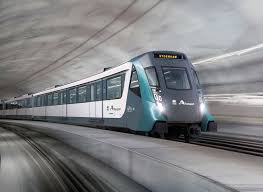
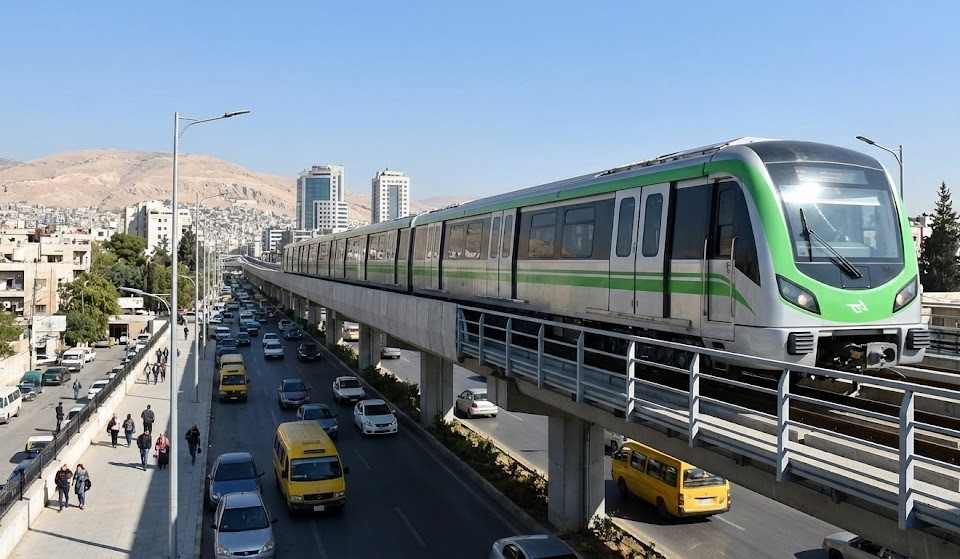
The Damascus Metro is a strategic infrastructure project designed to alleviate the severe traffic congestion in the Syrian capital. After years of delays, the project has gained significant momentum in late 2025 due to new regional investment models.
1. The Green Line (Phase One)
The Green Line is the priority axis of the project, connecting the city’s high-density residential areas with its commercial and administrative heart.
- Route: It stretches from Moadamiyat al-Sham (Southwest) to Al-Qaboun (Northeast).
- Distance: Approximately 16.5 km (with proposed extensions reaching up to 26 km).
- Stations: It includes 17 stations, passing through landmarks such as:
- Al-Mezzeh Highway
- Damascus University
- Al-Hijaz Station (The central hub)
- Sabaa Bahrat & Al-Thawra Street
- Abbasid Square
2. Technical Specifications & Capacity
As per the 2025-2026 updated feasibility studies:
- Daily Capacity: Expected to transport approximately 840,000 passengers per day.
- Speed: Trains will operate at a maximum speed of 80 km/h.
- Travel Time: Crossing the entire line is estimated to take only 30 minutes, compared to 1.5–2 hours by car during peak times.
- Construction Period: The estimated timeline for completion and operation is 5 to 7 years from the start of heavy construction.
Recent Developments & Investment (2025-2026)
The project has shifted from a government-funded model to an international investment model:
- Funding: Recent Memorandums of Understanding (MoUs) involve investors from the United Arab Emirates and Saudi Arabia under the BOT (Build-Operate-Transfer) system.
- Modernization: The plan now includes "Smart Stations" equipped with solar energy panels, retail spaces, and digital ticketing systems.
- Integration: The metro will be integrated with a new fleet of electric buses and "Park & Ride" facilities at the city entrances (like the Soumarieh Terminal).
4. Strategic Impact
- Environmental: Significant reduction in carbon emissions by decreasing the number of micro-buses and private cars.
- Economic: Creation of thousands of jobs during construction and operation, and a boost in real estate value around station nodes.
- Urban Renewal: The project includes the rehabilitation of streets and squares situated above the underground tracks.
.jpg)

.png)


.svg)
.svg)


.svg)
.svg)
.jpg)