.avif)
Find & Read
No items found.


Al-Bab City Council, in cooperation with the Directorate of Awqaf and the Aleppo branch of the Syrian Investment Authority, has signed an agreement with Al-Shahabi Company for the development of the Al-Nasr Market project in the city. The signing ceremony was attended by Aleppo Governor Azzam Al-Ghareeb, the Deputy Minister of Awqaf for Endowment Affairs Samer Beiraqdar, Al-Bab District Official Hussein Al-Shahabi, and the head of the Aleppo Investment Authority branch Hazem Lutfi, alongside other relevant officials.
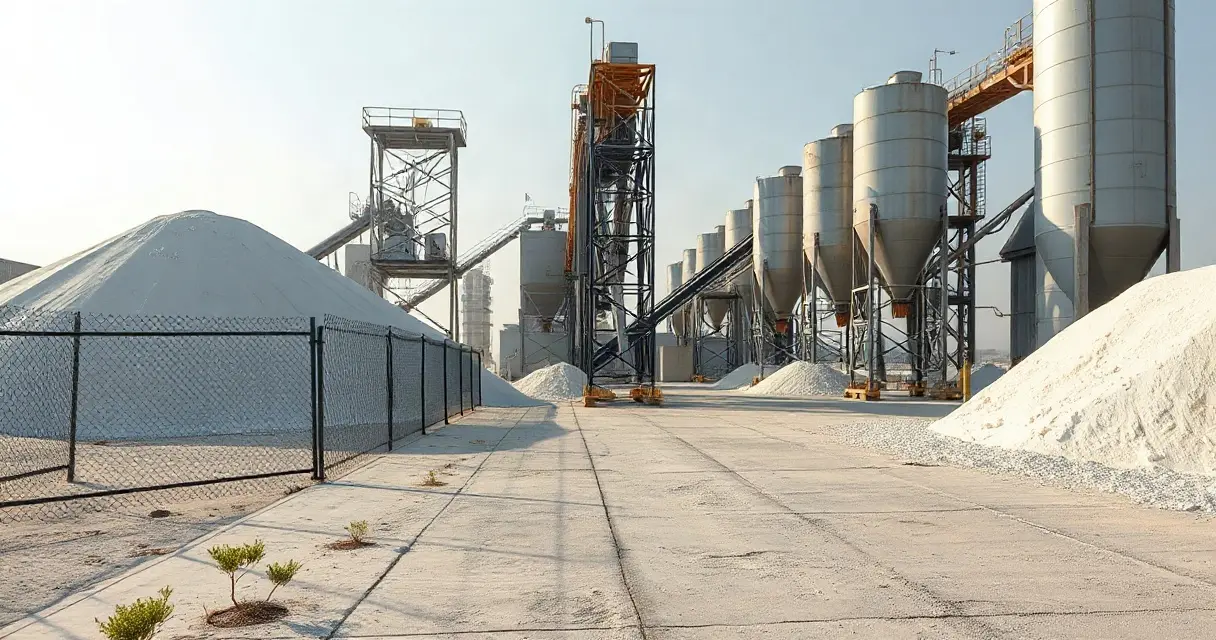
The project will be built on the site of the former wholesale market (Souq Al-Hal), covering an area of approximately 20,000 square metres, and will be implemented under a Build-Operate-Transfer (BOT) model. The development will include the following components:
Investor Abdel Karim Zeidan Al-Shahabi stated that the project represents the first investment of its kind in the eastern Aleppo countryside, with projections indicating it will generate between 900 and 1,000 direct and indirect jobs. The market is also expected to ease the administrative burden on the city council by establishing an organised commercial hub that improves service delivery and traffic flow.
Projects Director at the Aleppo Investment Authority branch Suhaib Bushi indicated that work will commence immediately, beginning with the preparation of plans and obtaining the necessary permits through to full execution. The construction phase is estimated at approximately six months, while the investment period will span around 20 years, after which ownership will transfer to Al-Bab City Council and the Directorate of Awqaf, yielding long-term service and development returns.
Al-Bab is a significant commercial hub in the eastern Aleppo countryside, experiencing notable population growth and expanding commercial activity in recent years. The Al-Nasr Market project responds to the growing need to organise markets and develop service infrastructure, and stands as the first investment project launched in the Aleppo countryside after years during which investment remained concentrated within the city of Aleppo itself.


.svg)